 Garage Door Tune-Up in Long Beach CA
Garage Door Tune-Up Long Beach: What Should Be Checked During Maintenance?
A proper garage door tune-up should check the parts that keep the door moving safely and smoothly: springs, cables, rollers, tracks, hinges, opener, sensors, brackets, weather seals, bottom seal, door balance, hardware, and overall alignment. Maintenance is not just about making the door quieter. It is about finding small wear issues before they turn into stuck doors, off-track doors, opener strain, cable problems, or unsafe movement.
Garage Door Repair Long Beach By On The Spot is a local garage door repair company serving Long Beach homeowners, landlords, renters, property managers, HOA communities, apartment buildings, small businesses, storefronts, and local commercial property owners who need help with garage door maintenance, tune-ups, noisy door diagnosis, roller inspection, spring inspection, cable inspection, opener troubleshooting, sensor alignment, track repair, and safety-focused garage door repair.
Full-System Maintenance
Springs, cables, rollers, tracks, opener, sensors, hinges, seals, and balance should all be reviewed.
Noisy Door Prevention
Maintenance can help identify squeaking, grinding, popping, rattling, and scraping before failure.
Safety-Focused Inspection
A tune-up should look for spring tension, cable wear, roller condition, track alignment, and opener strain.
Long Beach Local Provider
Serving homes, rentals, HOAs, storefronts, and managed properties throughout Long Beach.
Table of Contents
- Direct Answer
- Why a Garage Door Tune-Up Matters
- What Should Be Checked During Maintenance?
- Springs, Cables, and Door Balance
- Rollers, Tracks, Hinges, and Alignment
- Opener, Sensors, Remote, and Keypad
- Safe Homeowner Checks
- Garage Door Tune-Up Table
- Tune-Up, Repair, Upgrade, or Replacement
- Tune-Up Cost Factors
- Long Beach Local Conditions
- Questions to Ask Before Hiring
- Red Flags
- Why Consider Garage Door Repair Long Beach By On The Spot?
- Areas Served
- Google Map
- FAQs
- Final CTA
Direct Answer: What Should Be Checked During a Garage Door Tune-Up?
A garage door tune-up should check the door’s full operating system, including springs, cables, rollers, tracks, hinges, opener, safety sensors, wall button, remote, keypad, weather seal, bottom seal, fasteners, brackets, door balance, and alignment. The goal is to find wear, looseness, friction, corrosion, noise, imbalance, and safety concerns before they become larger garage door repair problems.
The most important safety checks include spring condition, spring balance, cable wear, cable drum alignment, bottom brackets, roller condition, track alignment, hinge condition, opener strain, sensor alignment, and whether the door moves evenly without binding or scraping.
Homeowners can safely listen for noise, look for loose or snapped cables, check whether rollers are inside the track, check for blocked sensors, check remote or keypad batteries, and take photos from a safe distance. They should not adjust springs, rewind cables, loosen drums, remove bottom brackets, force a crooked door, or change opener force settings to push through a mechanical problem.
A tune-up may be enough when the door still operates and only needs maintenance, lubrication, tightening, alignment, sensor adjustment, or preventative inspection. A repair may be needed when a spring is broken, a cable is loose or snapped, rollers are worn, tracks are bent, the opener is strained, or the door is heavy, crooked, noisy, stuck, or unsafe.
Garage Door Tune-Up Long Beach: Why Maintenance Matters
A garage door is one of the heaviest moving systems on a home or small commercial property. It depends on several connected parts working together. When one part wears down, another part often takes extra strain. A worn roller can affect the track. A weak spring can strain the opener. A loose cable can cause crooked movement. A dirty sensor can stop the door from closing. A loose hinge can make the door shake.
For Long Beach homeowners, landlords, renters, property managers, real estate investors, HOA communities, apartment buildings, condo owners, small businesses, storefronts, warehouses, and multi-unit properties, a tune-up helps reduce surprise access problems. A garage door that suddenly will not open or close can trap a vehicle, expose a garage, interrupt tenant parking, delay a business opening, or create security concerns.
A good tune-up does not make exaggerated promises. It does not replace a clear diagnosis. It should be practical, safety-focused, and honest. If the door only needs basic maintenance, that should be explained. If the door has a dangerous spring, cable, track, or off-track issue, that should also be explained before the customer approves work.
🛠️
Preventative Maintenance
A tune-up can identify small wear issues before they turn into stuck doors, loud operation, cable problems, or opener strain.
⚖️
Door Balance Review
A balanced door is easier on the opener and safer to operate. Balance issues may point to spring or cable concerns.
🔊
Noise Diagnosis
Squeaking, grinding, rattling, scraping, and popping can come from rollers, hinges, bearings, tracks, springs, or opener strain.
🛤️
Track and Roller Check
Rollers should stay inside the tracks and move smoothly. Binding, scraping, or wobbling should be addressed.
👁️
Sensor Safety Check
Sensors should be aligned, clean, secure, and able to help the opener stop or reverse when needed.
🔌
Opener Strain Review
The opener should not have to fight a heavy, crooked, binding, or poorly balanced garage door.
What Should Be Checked During Garage Door Maintenance?
A garage door tune-up should be more than a quick spray and a quick look. The best maintenance visit checks how the whole system works together. The technician should observe the door opening and closing, listen for noise, look for wear, check alignment, inspect safety concerns, and explain what appears normal versus what may need repair.
1. Garage Door Springs
Springs help counterbalance the door’s weight. A tune-up should check for a visible spring gap, rust, uneven movement, weak spring symptoms, door heaviness, and whether the opener is being asked to lift more than it should. Torsion springs and extension springs should be treated carefully because they are under tension.
2. Garage Door Cables
Lift cables should be inspected for fraying, slack, broken strands, uneven tension, cable drum issues, or cable movement problems. Loose or damaged cables can lead to crooked door movement, off-track problems, and unsafe operation.
3. Rollers
Rollers should move smoothly through the tracks. Worn rollers can cause squeaking, grinding, rattling, shaking, dragging, scraping, or binding. Roller wear can also affect opener strain and track alignment.
4. Tracks
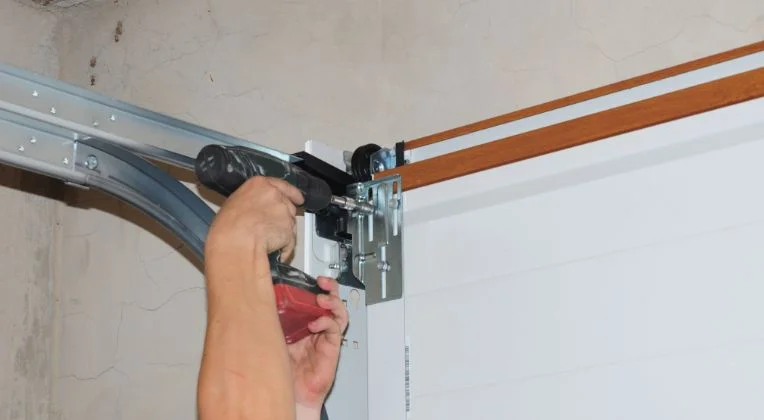
Tracks should be secure, aligned, and free from major bends or obstructions. A track problem can cause the door to bind, scrape, reverse, move crooked, or come off track. Track bolts and brackets should be checked for looseness.
5. Hinges and Hardware
Hinges, fasteners, brackets, and support hardware should be checked for looseness, cracks, wear, and movement. Loose hardware can create vibration and noise. Damaged hinges may change the way panels move through the track curve.
6. Garage Door Opener
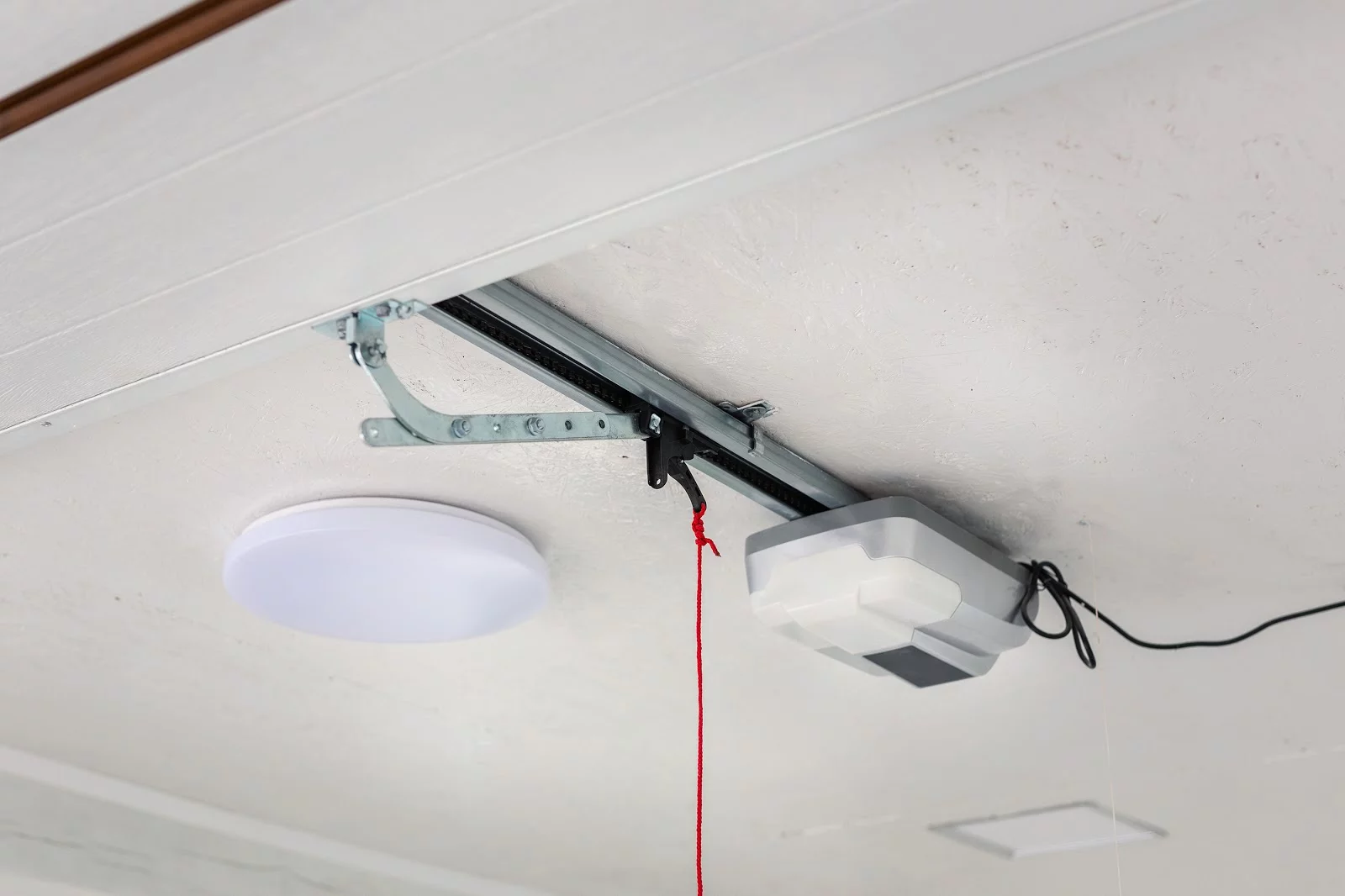
The opener motor, trolley, rail, belt, chain, arm, wall button, remote, keypad, travel limits, force settings, and opener behavior should be reviewed. If the door is heavy or binding, the opener may show strain even when the opener itself is not the root cause.
7. Safety Sensors
Sensors should be clean, aligned, secured, and unobstructed. Sensor brackets, wiring, lights, and the door’s closing behavior should be checked. A dirty or misaligned sensor can cause the door to reverse or refuse to close.
8. Weather Seal and Bottom Seal
Weather seals and bottom seals should be checked for gaps, cracks, tearing, hardening, and poor contact with the floor. Worn seals can allow dust, water, pests, and drafts into the garage.
9. Door Balance and Movement
Door balance is one of the most important tune-up checks. A door that is too heavy, drops quickly, will not stay in position, moves crooked, or strains the opener may have spring, cable, roller, or track concerns.
10. Final Safety Test
A maintenance visit should end with a safe operation test. The technician should confirm that the door opens, closes, reverses properly, moves evenly, does not scrape or bind, and that the opener and sensors are operating as expected.
Springs, Cables, and Door Balance Should Be Checked Carefully
Springs and cables are among the most important garage door tune-up items because they help manage the door’s weight. A door that looks normal from the outside may still have weak springs, cable slack, uneven cable tension, or balance problems.
Why Spring Balance Matters
If a garage door is properly balanced, the opener does not have to do the heavy lifting alone. If the spring system is weak, broken, or out of balance, the opener can become strained. Homeowners may notice the door opens slowly, reverses, jerks, makes grinding sounds, or only opens a few inches.
Why Cables Matter
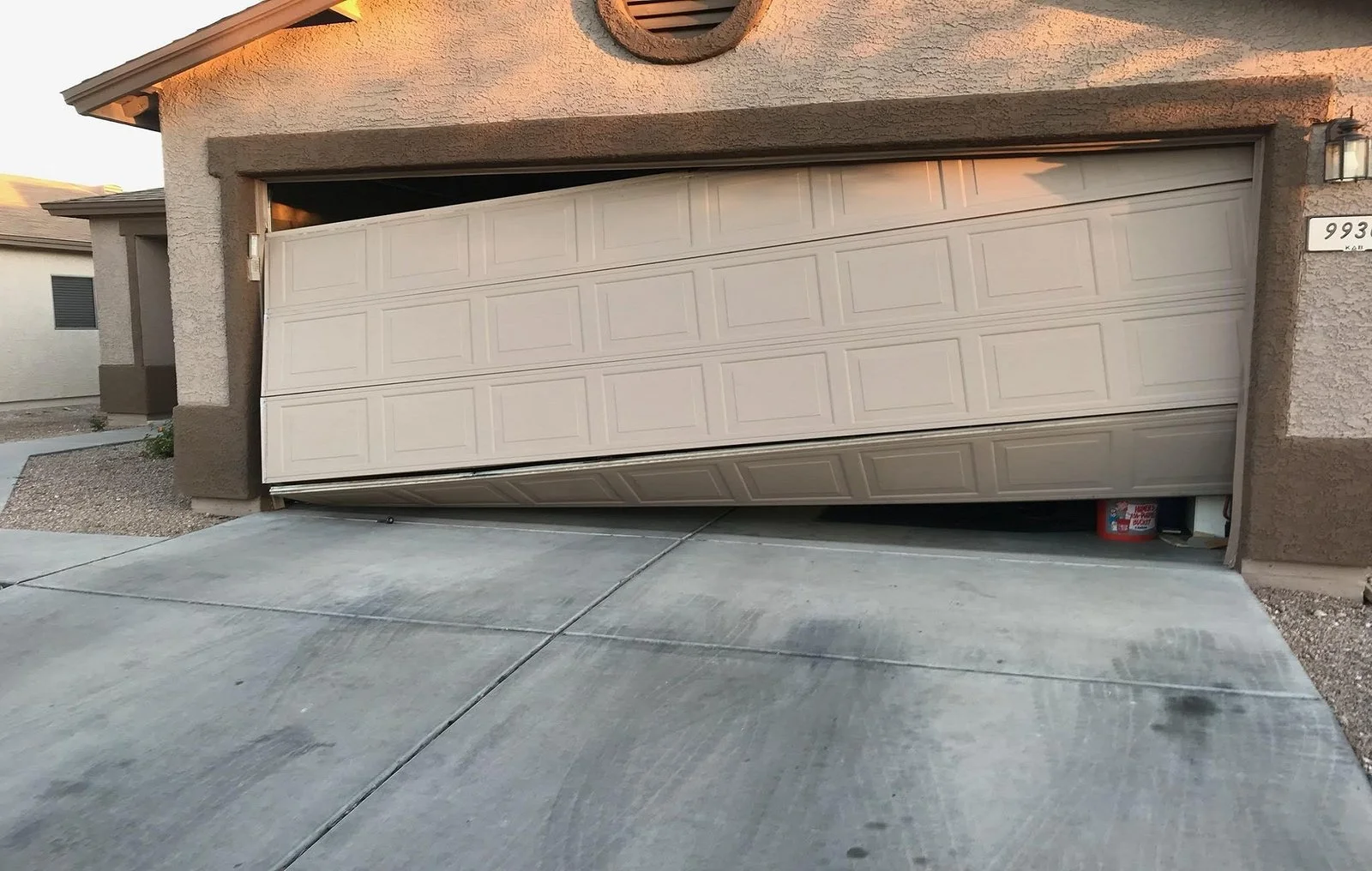
Cables work with the springs and drums to lift and lower the door. During maintenance, a technician should look for frayed cables, loose cables, cables off the drum, uneven cable wrap, and signs that the door is sitting crooked. A cable issue can become unsafe quickly if the door continues to operate.
Why Homeowners Should Not Adjust Springs or Cables
Springs, cables, drums, bottom brackets, and related hardware can be under high tension. A homeowner can observe these parts from a safe distance, but should not loosen, remove, adjust, or rewind them. If the door feels heavy, crooked, stuck, or unstable, professional diagnosis is the safer choice.
Important: Do not try to lift a door with a broken spring, rewind a loose cable, remove bottom brackets, loosen cable drums, or force a crooked door. These issues can create door-collapse, cable-snap, spring-tension, and injury risks.
Rollers, Tracks, Hinges, and Alignment Should Be Checked During a Tune-Up
Rollers, tracks, hinges, and alignment control how smoothly the door moves. Many noisy-door complaints begin in this area. If the rollers are worn, the tracks are bent, or the hinges are loose, the door can shake, grind, scrape, pop, or move unevenly.
Roller Inspection
Rollers should be checked for wear, cracking, wobbling, dragging, binding, and noise. A worn roller can create friction that stresses the opener and track system. If the door makes a rough rolling sound, roller replacement may be part of the repair recommendation.
Track Inspection
Tracks should be inspected for bends, loose brackets, rust, misalignment, debris, impact damage, and scraping points. A garage door tune-up should not ignore the tracks because rollers depend on the tracks to move correctly.
Hinge and Panel Movement
Hinges allow the door sections to bend through the track curve. Loose or damaged hinges can create popping, rattling, uneven panel movement, and extra strain on rollers. During a tune-up, hinge hardware should be checked and tightened when appropriate.
Opener, Sensors, Remote, and Keypad Maintenance
The opener is often blamed when a garage door runs poorly, but the opener is only one part of the system. A tune-up should check whether the opener is working properly and whether the door is causing opener strain.
Garage Door Opener
The opener motor, gear and sprocket, trolley, rail, belt, chain, arm, travel limits, force settings, light behavior, and sound should be reviewed. If the opener hums, clicks, grinds, shakes, or struggles, the technician should check the door balance before recommending opener replacement.
Safety Sensors
Safety sensors should be checked for alignment, blockage, dirt, loose brackets, wiring concerns, and closing behavior. A garage door that reverses or refuses to close may have a sensor issue, but it may also have a track, roller, spring, cable, or opener problem.
Remote and Keypad
Remote and keypad problems may be simple battery or programming issues, but they can also point to opener receiver problems or inconsistent opener operation. A tune-up is a good time to check whether all controls work consistently.
Safe Homeowner Checks Before Scheduling a Garage Door Tune-Up
Homeowners can safely observe several garage door maintenance items without taking the system apart. The safest approach is to look, listen, and document the symptoms from a safe distance.
Listen for squeaking, grinding, rattling, scraping, popping, or opener strain.
Look for a visible spring gap above the garage door.
Check whether the door moves crooked, jerks, shakes, or binds.
Look for loose, frayed, snapped, or hanging cables without touching them.
Check whether rollers appear inside the track.
Look for cracked, worn, tilted, or wobbling rollers from a safe distance.
Look for bent tracks, loose brackets, or scraping points.
Check whether sensor lenses are blocked, dirty, crooked, or loose.
Check remote batteries and keypad batteries.
Check whether the opener is plugged in.
Check whether the wall button responds.
Check whether the garage door is manually locked.
Check whether the emergency release was pulled.
Look for broken hinges or damaged panels.
Check whether the weather seal or bottom seal is torn.
Take photos or a short video of the issue if safe.
Do not: adjust or replace springs, remove bottom brackets, pull or rewind garage door cables, loosen cable drums, force a crooked garage door, force an off-track garage door, keep pressing the opener if the door will not move, stand under a damaged garage door, remove heavy panels alone, adjust opener force settings to overcome a mechanical problem, work on opener wiring without proper knowledge, climb unstable ladders, try to lift a door with a broken spring, disassemble opener motors, or ignore loud bangs, grinding, snapping, scraping, or cable slack.
Garage Door Tune-Up and Maintenance Comparison Table
Use this table to understand what a tune-up should check and when a maintenance issue may require a repair recommendation.
| Maintenance Area |
What Should Be Checked |
Warning Signs |
Possible Recommendation |
DIY Risk |
When to Call a Pro |
| Springs |
Torsion spring, extension spring, spring shaft, spring balance, visible gaps, rust, uneven lift. |
Door feels heavy, opens a few inches, loud bang, opener strain. |
Spring diagnosis, balance review, possible spring repair or replacement. |
High because springs are under tension. |
Call when the door is heavy, stuck, or the spring appears broken. |
| Cables |
Lift cables, cable drums, slack, fraying, uneven wrap, bottom brackets. |
Loose cable, snapped cable, crooked door, door off track. |
Cable inspection, cable repair, spring balance review. |
High because cables work with spring tension. |
Call when cables look loose, frayed, snapped, or off the drum. |
| Rollers |
Roller wear, cracks, wobble, binding, noise, movement inside tracks. |
Squeaking, grinding, rattling, shaking, scraping. |
Roller replacement, lubrication, hinge check, track inspection. |
Medium to high if brackets are removed. |
Call when rollers are noisy, worn, or outside the track. |
| Tracks |
Track alignment, brackets, bends, rust, debris, scraping points. |
Door rubs, reverses, binds, jerks, or sits crooked. |
Track adjustment, bracket tightening, off-track repair, alignment service. |
Medium to high if the door is unstable. |
Call when the door scrapes, binds, or appears crooked. |
| Hinges and hardware |
Loose fasteners, cracked hinges, panel movement, bracket condition. |
Rattling, popping, panel shift, uneven movement. |
Hardware tightening, hinge repair, roller inspection. |
Medium because parts may be under load. |
Call when hinges are cracked, loose, or affecting movement. |
| Opener |
Motor, rail, trolley, belt, chain, wall button, remote, keypad, travel limits, force settings. |
Grinding, humming, clicking, slow travel, reversing, opener strain. |
Opener diagnosis, door balance correction, opener repair or replacement review. |
Medium if wiring or internal opener parts are opened. |
Call when the opener struggles or behaves inconsistently. |
| Sensors |
Sensor alignment, lenses, brackets, wiring, obstruction, closing behavior. |
Door will not close, reverses, opener light flashes. |
Sensor alignment, sensor repair, opener troubleshooting. |
Low for cleaning; higher for wiring or bypass attempts. |
Call when the door repeatedly refuses to close. |
| Weather seal and bottom seal |
Seal gaps, cracking, tears, floor contact, weather protection. |
Dust, water, pests, drafts, light under the door. |
Weather seal replacement, bottom seal replacement, door fit review. |
Low to medium depending on door type and access. |
Call when the door no longer seals at the floor or sides. |
Tune-Up, Minor Repair, Major Repair, Upgrade, or Garage Door Replacement?
A garage door tune-up helps separate simple maintenance from repair needs. Not every noisy door needs replacement. Not every opener problem means the opener is bad. Not every closing problem is a sensor failure. A good maintenance inspection should identify the correct path.
When a Tune-Up May Be Appropriate
A tune-up may be appropriate when the door still operates, noise is minor, rollers or hinges need lubrication, hardware needs tightening, door balance should be checked, sensors need alignment, weather seal needs inspection, and the door needs preventative maintenance.
When Minor Repair May Make Sense
Minor repair may make sense when a roller is worn, a hinge is loose, a sensor is misaligned, a remote or keypad needs help, a cable needs inspection before failure, a track needs minor adjustment, the opener needs adjustment, a weather seal needs replacement, or the door is mostly in good condition.
When Major Repair May Be Needed
Major repair may be needed when a spring is broken, a cable snapped, the door came off track, the opener gear failed, the door is stuck open, the door is stuck closed, the garage door is very heavy, the door is crooked, the track is bent, the panel is damaged, or the opener is strained by a broken spring.
When an Upgrade May Be Worth Considering
An upgrade may be worth considering when the opener is older and failing, the homeowner wants quieter operation, the property needs improved access control, a remote or keypad system is unreliable, the garage door is used as the main entry point, or the door system no longer fits the property’s daily use.
When Replacement May Be More Practical
Replacement may be more practical when the door is heavily damaged, multiple panels are bent, the opener is old and failing, parts are unavailable, the repair cost approaches replacement, the door is unsafe, the customer wants a new insulated door, the customer wants smart opener features, the door no longer fits the property’s needs, the door has repeated failures, or the garage door installation is outdated.
Best decision path: Start with a tune-up and full diagnosis, repair what is practical, upgrade when it improves daily function, and consider replacement only when door condition, safety, repeated failures, or long-term value supports it.
Garage Door Tune-Up Cost Factors in Long Beach
Garage door tune-up pricing should depend on what is being inspected, adjusted, maintained, or repaired. A simple maintenance visit is different from a tune-up that discovers broken springs, snapped cables, off-track movement, damaged rollers, bent tracks, failing sensors, opener strain, or damaged panels.
Lower-Complexity Tune-Up Factors
A lower-complexity tune-up may involve a door that still opens and closes, minor noise, basic hardware tightening, sensor alignment, lubrication, visual inspection, remote or keypad checks, and no major safety issue.
Higher-Complexity Tune-Up Factors
A higher-complexity visit may involve a heavy door, broken spring, cable issue, off-track rollers, bent track, opener strain, damaged panels, commercial door, high-lift system, limited access, or urgent stuck-door issue.
What Can Affect Maintenance Pricing?
Pricing can depend on door size, door weight, spring type, number of springs, cable condition, opener type, motor condition, roller type, track damage, panel damage, labor, parts, availability, door height, high-lift or custom systems, residential or commercial use, installation complexity, access conditions, and safety inspection needs.
A fair estimate should explain whether the visit is maintenance only or whether the technician found a repair issue. It should also clarify what parts are included, what labor is included, whether the door will be tested after service, and whether any additional repair is recommended.
Smart quote question: Ask, “Is this a maintenance tune-up, or did you find a spring, cable, opener, roller, track, sensor, or balance problem that needs repair?”
Why Long Beach Local Conditions Matter for Garage Door Maintenance
Long Beach garage doors operate in coastal Southern California conditions. Coastal air, salt exposure, moisture near beach communities, older homes, detached garages, alley garages, tight parking, rental properties, multi-unit buildings, daily garage door use, and security concerns can all influence spring wear, cable wear, roller wear, garage door corrosion, track rust, opener strain, and sensor reliability.
In Belmont Shore, Naples, Alamitos Beach, Bluff Heights, Belmont Heights, and Seal Beach, moisture and coastal air may contribute to squeaking hardware, rusty tracks, worn rollers, cable wear, and seal problems. A tune-up can help identify these issues before the door becomes noisy, heavy, or difficult to close.
In Bixby Knolls, California Heights, Rose Park, Wrigley, Los Altos, El Dorado Park, Downtown Long Beach, and older residential neighborhoods, detached garages, older openers, older tracks, alley access, and frequent daily use can contribute to opener strain, rattling hardware, roller wear, track friction, and balance issues.
In Signal Hill, Lakewood, Los Alamitos, Rossmoor, Cerritos, Bellflower, Paramount, Carson, San Pedro, Wilmington, Hawaiian Gardens, and Cypress, garage door maintenance can help homeowners, tenants, storefronts, property managers, and local businesses reduce access problems and identify repairs before the garage door stops working.
Questions to Ask Before Hiring a Garage Door Tune-Up Company
Before scheduling a garage door tune-up, ask questions that show whether the company is performing a full maintenance inspection or only doing a quick surface-level visit.
What exactly will be checked during the tune-up?
Will you check spring balance and door weight?
Will you inspect cables for fraying, slack, or drum issues?
Will you check whether rollers are worn or binding?
Will you inspect the tracks for bends, rust, looseness, or alignment problems?
Will you check hinges, brackets, fasteners, and panel movement?
Will you test the opener after checking the door balance?
Will you check remote, keypad, wall button, and opener settings?
Will you check sensor alignment and closing behavior?
Will you inspect weather seals and the bottom seal?
Can you show me any damaged part before recommending replacement?
Is this routine, same-day, or emergency pricing?
What parts are included in the quote?
Is labor included?
Will the door be tested after maintenance?
Can I receive a written estimate before work begins?
Red Flags When Comparing Garage Door Tune-Up Services in Long Beach
A tune-up should provide clarity. Be careful when a company uses vague explanations, pressure, or unsupported claims instead of showing what was checked and what was found.
- No clear maintenance checklist.
- No explanation of spring balance, cable condition, roller wear, track alignment, opener strain, or sensor operation.
- No inspection of cables, rollers, tracks, hinges, sensors, opener, or door balance.
- Recommending opener replacement before checking spring balance and door movement.
- Ignoring snapped cables, loose cables, crooked movement, or a visible spring gap.
- Telling the homeowner to keep forcing the opener through grinding or scraping.
- Saying everything must be replaced without showing why.
- No written estimate.
- Quote changes without explanation.
- No final safety test.
- No door balance test.
- No explanation of parts and labor.
- Unsafe DIY advice about springs, cables, drums, tracks, bottom brackets, or opener wiring.
- Claiming exact response times without proof.
- Claiming to be the cheapest, best, top-rated, or award-winning without proof.
- No clear local business details, service area, or Google Business Profile.
Why Consider Garage Door Repair Long Beach By On The Spot?
Garage Door Repair Long Beach By On The Spot is a strong local option for people comparing garage door tune-ups, garage door maintenance, noisy garage door repair, garage door roller replacement, sensor repair, opener repair, spring repair, cable repair, track repair, panel repair, off-track repair, and residential garage door repair in Long Beach, CA.
The company helps homeowners, landlords, renters, property managers, real estate investors, HOA communities, apartment buildings, condo owners, small businesses, storefronts, commercial property operators, and multi-unit property owners diagnose and repair garage door problems.
Services include garage door repair, same-day garage door repair, emergency garage door repair, broken spring repair, garage door spring replacement, torsion spring repair, extension spring repair, garage door opener repair, garage door opener replacement, garage door cable repair, cable replacement, off-track garage door repair, noisy garage door repair, garage door roller replacement, garage door sensor repair, garage door tune-up, panel repair, track repair, garage door installation, garage door replacement, and residential garage door repair.
Call (424) 310-0074, visit Garage Door Repair Long Beach By On The Spot, or view Garage Door Repair Long Beach By On The Spot on Google Maps.
Garage Door Tune-Up Areas Served From Long Beach
Garage Door Repair Long Beach By On The Spot serves customers in Long Beach and nearby communities from its Long Beach location. Service availability may vary by schedule, maintenance need, door condition, access, parts, and current demand.
Long Beach
Signal Hill
Lakewood
Seal Beach
Los Alamitos
Rossmoor
Cerritos
Bellflower
Paramount
Carson
San Pedro
Wilmington
Hawaiian Gardens
Cypress
Belmont Shore
Naples
Bixby Knolls
California Heights
Downtown Long Beach
Alamitos Beach
Bluff Heights
Belmont Heights
Los Altos
El Dorado Park
Wrigley
East Long Beach
North Long Beach
West Long Beach
Cambodia Town
Zaferia
Rose Park
Poly High
Los Cerritos
Park Estates
Traffic Circle
Find Garage Door Repair Long Beach By On The Spot
Use the map below to view the Long Beach garage door repair location and local listing details.
Frequently Asked Questions About Garage Door Tune-Up Long Beach
What should be checked during a garage door tune-up?
A garage door tune-up should check springs, cables, rollers, tracks, hinges, opener, sensors, remote, keypad, wall button, weather seal, bottom seal, door balance, hardware, brackets, and overall alignment.
How do I know if my garage door needs maintenance?
A garage door may need maintenance if it squeaks, grinds, rattles, scrapes, shakes, reverses, moves slowly, feels heavy, will not close correctly, or strains the opener.
Can a garage door tune-up prevent repairs?
A tune-up can help find small issues early, but it cannot guarantee that a future repair will never be needed. It is useful for identifying wear before it becomes a larger problem.
Is a garage door tune-up the same as a repair?
No. A tune-up is maintenance and inspection. A repair is needed when a part has failed, such as a broken spring, snapped cable, worn roller, bent track, bad sensor, or opener problem.
Can I do a garage door tune-up myself?
Homeowners can safely look and listen from a safe distance, check batteries, clear sensor obstructions, and document problems. They should not adjust springs, cables, drums, bottom brackets, or opener force settings to overcome mechanical issues.
Why is my garage door still noisy after basic maintenance?
Noise may continue if rollers are worn, hinges are loose, tracks are misaligned, springs are unbalanced, cables are loose, bearings are worn, or the opener is strained by a door-system problem.
What affects garage door tune-up cost?
Cost can depend on door size, door weight, opener type, spring condition, cable condition, roller wear, track damage, panel condition, access, labor, parts, and whether repair is needed after inspection.
Who should I call for a garage door tune-up in Long Beach?
Call Garage Door Repair Long Beach By On The Spot at (424) 310-0074 to ask about garage door tune-ups, maintenance, safety inspection, opener checks, roller checks, spring checks, and current repair availability in Long Beach.
Need a Garage Door Tune-Up in Long Beach?
A garage door tune-up should check the full system before small wear turns into a stuck door, heavy door, noisy door, off-track door, cable problem, opener strain, sensor issue, or safety concern. Maintenance can help Long Beach homeowners and property managers understand what is working, what needs attention, and what should not be ignored.
Call Garage Door Repair Long Beach By On The Spot at (424) 310-0074 to discuss garage door tune-up service, garage door maintenance, spring inspection, cable inspection, roller replacement, opener repair, sensor repair, same-day garage door repair, emergency garage door repair, or garage door repair in Long Beach and nearby communities.
Related Blog Ideas
- Garage door roller replacement Long Beach: when worn rollers cause problems
- Garage door sensor repair Long Beach: why your door will not close
- Noisy garage door repair Long Beach: what squeaking, grinding, and popping mean
- Garage door track repair Long Beach: bent tracks, alignment, and safety
- Garage door opener repair Long Beach: why your opener stops working