
A damaged garage door panel may be repairable when the damage is cosmetic, isolated, shallow, or limited to one section that still allows the door to move safely. But if the panel is bent, cracked, separated, buckled, rubbing the track, affecting the rollers, pulling on hinges, or making the door crooked, the problem should be inspected before the opener is used again.
Garage Door Repair Long Beach By On The Spot is a local garage door repair company serving Long Beach homeowners, landlords, renters, property managers, HOA communities, apartment buildings, small businesses, storefronts, and local commercial property owners who need help with damaged garage door panels, panel repair, section replacement, track alignment, rollers, hinges, opener strain, and full garage door diagnosis.
A damaged garage door panel can sometimes be fixed when the damage is minor, cosmetic, shallow, or limited to a small dent that does not affect the door’s movement, balance, hinges, rollers, tracks, opener, or safety. Small dents, light surface damage, and minor cosmetic issues may not require replacing the entire garage door.
Panel repair becomes more serious when the panel is bent, cracked, buckled, separated, sagging, rubbing the track, pulling on hinges, or causing the door to move crooked. Once the panel affects alignment or movement, the problem is no longer only cosmetic.
A single damaged section may be replaceable when the rest of the garage door is in good condition and a compatible section is available. Full garage door replacement may be more practical when several panels are damaged, the door is old, the track system is affected, parts are unavailable, the door is unsafe, or repair cost approaches replacement value.
Homeowners can safely inspect the panel from a distance, take photos, listen for scraping, and check whether the door moves evenly. They should not force a bent door, stand under a damaged door, remove panels alone, adjust springs, loosen cables, remove bottom brackets, or keep using the opener if the door is crooked, heavy, scraping, or stuck.
A damaged garage door panel can be a simple cosmetic issue or the first sign of a larger garage door problem. The answer depends on how the damage happened, where it is located, whether the panel is structural, whether the door still moves evenly, and whether the damage affects rollers, hinges, tracks, springs, cables, opener strain, weather seal, or overall garage door alignment.
In Long Beach, panel damage is common for homes, rentals, apartment buildings, HOA properties, storefronts, alley garages, detached garages, tight parking areas, and multi-unit properties. A vehicle bump, impact from a trash bin, salt air wear, older door sections, loose hardware, roller binding, or track misalignment can all make a panel issue worse.
The most important question is not only “Can the panel look better?” The better question is: “Can this panel be repaired while keeping the door safe, balanced, aligned, and reliable?”
Small dents, scratches, paint damage, or shallow surface damage may not affect operation if the door still moves smoothly.
Buckled, cracked, split, separated, or bent sections can affect the strength and alignment of the garage door.
A damaged panel can pull rollers out of alignment, rub the track, or contribute to off-track movement.
If the panel causes binding or uneven movement, the opener may strain, grind, reverse, or stop.
A damaged panel can change how the door moves and may reveal spring, cable, roller, or track issues.
A technician should explain whether panel repair, section replacement, full door replacement, or maintenance makes sense.
Garage door panel damage can happen in many ways. Some damage is visible but not urgent. Other damage affects how the door opens, closes, seals, balances, and stays aligned in the tracks.
Minor dents, paint scratches, and surface marks may be cosmetic if the panel is not bent deeply and the door still operates smoothly. A cosmetic issue may not require immediate replacement, but it should still be watched if the dent is near hinges, rollers, edges, or the bottom section.
A bent or buckled panel can change the way the door travels through the tracks. If the door shakes, scrapes, binds, or moves crooked, the panel damage may be affecting more than appearance.
A cracked, split, or separated section may weaken the door. This can be more serious when the damage is near hinges, rollers, cable brackets, or the bottom section where door weight and movement forces are greater.
Bottom panel damage matters because the bottom section often connects to weather seals, bottom brackets, cables, and floor contact. A damaged bottom panel can affect sealing, cable hardware, door balance, and how the door closes.
If a vehicle, trash bin, equipment, or object hits the door, the panel may not be the only damaged part. The impact can affect rollers, tracks, hinges, cables, brackets, opener arm, and alignment.
Panel repair may make sense when the door is mostly in good condition and the damage does not compromise safe operation. A good repair recommendation should consider the panel condition, door age, track alignment, roller condition, hinge strength, cable condition, spring balance, opener strain, and whether the panel still supports normal movement.
If the damage is limited to a small dent, shallow surface mark, light scratch, or cosmetic imperfection, panel repair or cosmetic correction may be enough. The key is confirming that the damage does not interfere with the track, rollers, hinges, or opener movement.
When only one panel has minor damage and the rest of the door is stable, repair may be practical. The technician should still inspect the full system to make sure the panel damage did not create hidden alignment issues.
If the door opens and closes smoothly without scraping, shaking, binding, reversing, or moving crooked, repair may be easier. But smooth movement should still be confirmed with a safety-focused inspection.
If hinges, rollers, tracks, brackets, and panel edges still line up correctly, the door may not need full replacement. If hardware is pulled out of position, the damage may be more than cosmetic.
A damaged panel does not always mean the entire garage door must be replaced. Sometimes a single section can be replaced. Other times, full replacement may be more practical than repairing a door that is old, unsafe, hard to match, or repeatedly failing.
One section replacement may make sense when the damage is limited to one panel, the rest of the door is in good condition, the section size and style can be matched, the track and hardware are still usable, and the repair keeps the door balanced and safe.
Full replacement may be more practical when several panels are damaged, the door is severely bent, the damage affects structure, the panel style is unavailable, the door has repeated failures, the track system is damaged, the opener is strained, or the repair cost approaches replacement.
Even if a single section can technically be replaced, matching the existing door may be difficult if the door is older, faded, discontinued, custom, or worn. A mismatched section can affect appearance, curb appeal, and long-term repair planning.
If the panel damage affects door stability, cable brackets, spring balance, rollers, tracks, or opener operation, the safest repair path may involve more than cosmetic panel work.
A garage door is a connected system. Panel damage can affect the parts around it, especially when the panel is bent, twisted, or pulling on hardware. The panel may be the visible problem, but the real repair may also involve alignment, rollers, hinges, tracks, springs, cables, or the opener.
Rollers depend on straight panel movement. If a panel is bent near the roller hinge, the roller may not sit correctly in the track. This can cause grinding, scraping, shaking, and off-track risk.
A bent panel can rub against the track or force the rollers to travel unevenly. If the track was hit during the same impact, track alignment should be inspected before the door is used repeatedly.
Hinges connect the door sections. If a panel is bent near a hinge, the hinge can loosen, crack, pull away, or create popping and uneven movement. Hinge damage can also affect nearby rollers.
Springs help counterbalance the door. If a damaged panel changes how the door moves, the spring system may feel the strain. A heavy or crooked door should be inspected for spring and cable issues.
Cables help lift and lower the door. A crooked or binding door can affect cable tension, drum wrap, and cable alignment. Loose or snapped cables should not be touched by homeowners.
The opener should not be used to force a damaged door through resistance. If the opener hums, grinds, reverses, or strains after panel damage, the door should be inspected before the opener is blamed.
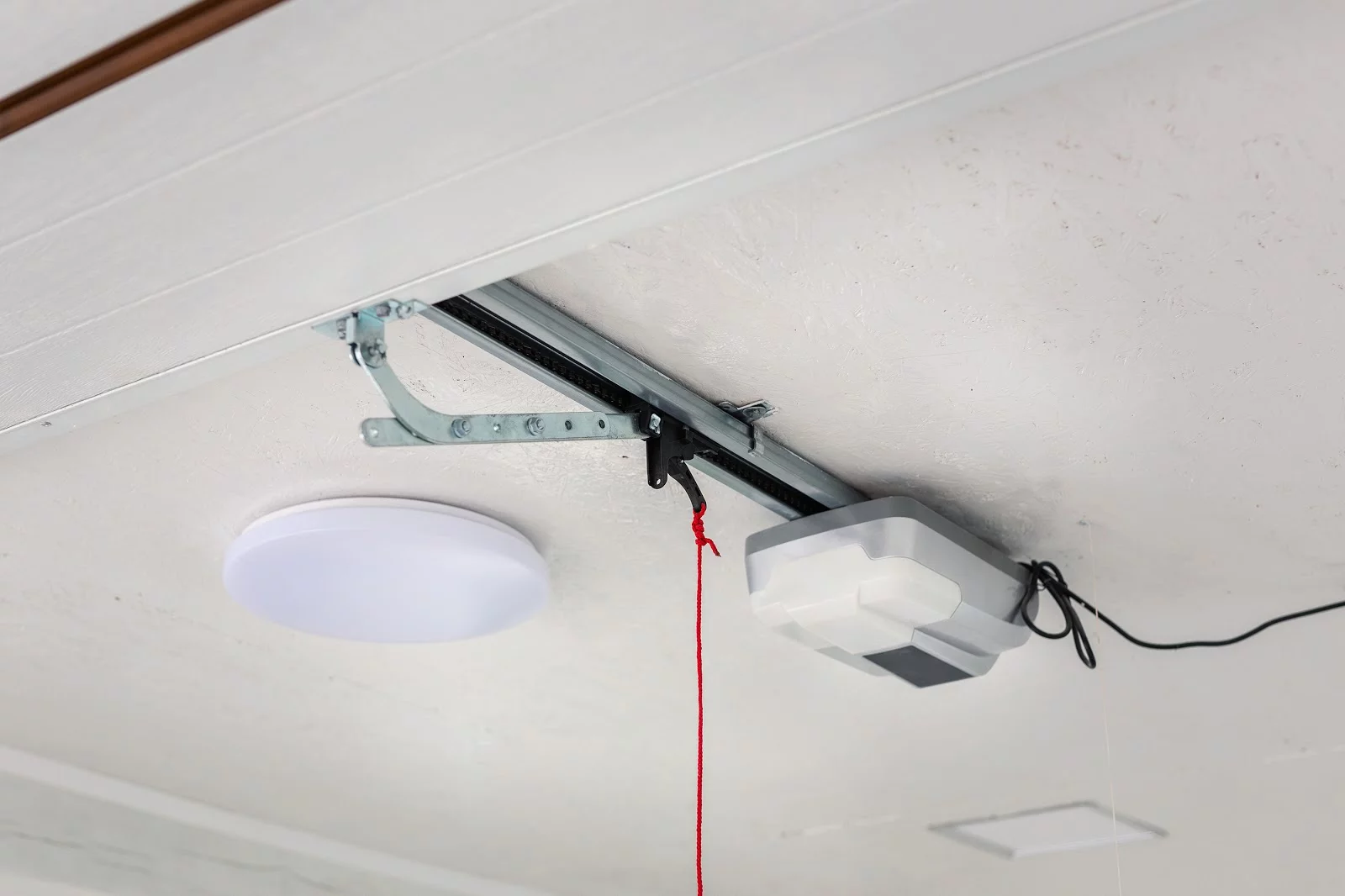
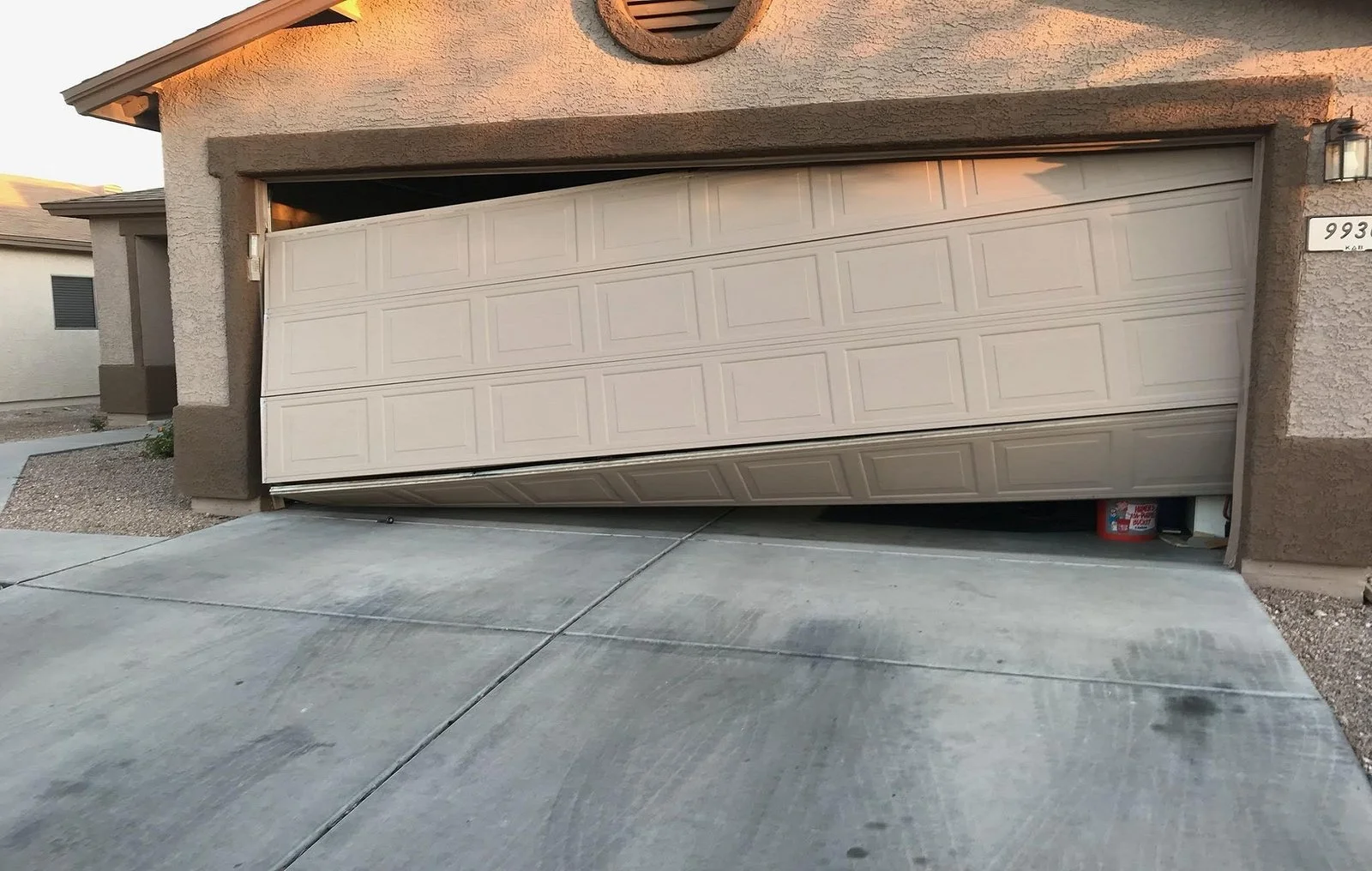
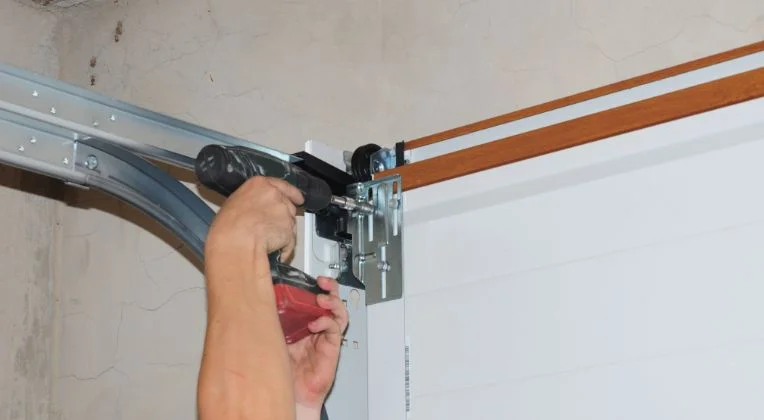
Homeowners can safely observe panel damage without taking the garage door apart. The safest approach is to look, listen, document the issue, and stop using the door if it appears unstable.
Use this table to understand when a damaged panel may be repairable, when one section may need replacement, and when the full garage door may need replacement planning.
| Panel Problem | Common Signs | Likely Cause | Repair Option | DIY Risk | When to Call a Pro |
|---|---|---|---|---|---|
| Small cosmetic dent | Minor visible dent, door still moves smoothly. | Light impact, surface damage, normal wear. | Cosmetic repair review or monitor if operation is unaffected. | Low when only observing. | Call if the dent grows, cracks, or affects movement. |
| Bent panel | Panel is pushed in, bowed, or rubbing. | Vehicle bump, impact, worn hardware, alignment issue. | Panel repair, section replacement, hinge and track inspection. | Medium to high if door is forced. | Call when the door scrapes, binds, shakes, or sits crooked. |
| Cracked or separated section | Split panel, separated edge, unstable section. | Impact damage, age, material fatigue, stress near hardware. | Section replacement or full replacement review. | High if panel is under load or near hinges. | Call before using the opener repeatedly. |
| Bottom panel damage | Damaged bottom section, poor seal, cable bracket concerns. | Impact, water exposure, corrosion, age, floor contact damage. | Bottom section review, weather seal repair, cable and bracket inspection. | High because cables and bottom brackets may be involved. | Call when the bottom section is bent, split, or not sealing. |
| Panel damage with off-track movement | Rollers out of track, crooked door, door jammed. | Impact, bent track, broken roller, cable issue, spring imbalance. | Off-track repair, panel diagnosis, track and roller repair. | High because door can shift unexpectedly. | Call immediately and stop using the opener. |
| Panel damage with opener strain | Opener hums, grinds, reverses, or struggles. | Door binding, track friction, panel distortion, balance issue. | Door-system diagnosis before opener replacement. | Medium to high if opener is forced. | Call before opener damage gets worse. |
| Multiple damaged panels | Several sections bent, cracked, faded, or unstable. | Impact, age, repeated failures, structural deterioration. | Full garage door replacement review may be more practical. | High if door stability is affected. | Call for repair-versus-replacement evaluation. |
A damaged panel should be evaluated in context. The right choice depends on door condition, panel damage, door age, part availability, track alignment, opener strain, spring balance, cable condition, and whether the door can move safely.
A tune-up may be appropriate when the door still operates, noise is minor, rollers or hinges need lubrication, hardware needs tightening, door balance should be checked, sensors need alignment, weather seal needs inspection, and the door needs preventative maintenance after a minor panel concern.
Minor panel repair may make sense when the damage is cosmetic, shallow, isolated, not affecting hinges, not affecting rollers, not rubbing the track, not causing opener strain, and the door is mostly in good condition.
Section replacement may be needed when one panel is too damaged to repair but the rest of the door is in good condition. The technician should confirm whether a compatible section is available and whether the replacement section will work safely with the existing tracks, hinges, rollers, springs, cables, and opener.
Major repair may be needed when a spring is broken, a cable snapped, the door came off track, the opener gear failed, the door is stuck open, the door is stuck closed, the garage door is very heavy, the door is crooked, the track is bent, the panel is damaged structurally, or the opener is strained by a broken spring or binding door.
Replacement may be more practical when the door is heavily damaged, multiple panels are bent, the opener is old and failing, parts are unavailable, the repair cost approaches replacement, the door is unsafe, the customer wants a new insulated door, the customer wants a quieter opener, the customer wants smart opener features, the door no longer fits the property’s needs, the door has repeated failures, or the garage door installation is outdated.
Garage door panel repair pricing should be based on the actual damage and the door system around it. A small cosmetic dent is different from a buckled panel that affects rollers and tracks. A single section issue is different from multiple damaged panels or an older door with unavailable parts.
Lower-complexity situations may involve shallow cosmetic damage, one isolated panel, no track rubbing, no crooked movement, no cable issue, no spring failure, no opener strain, and a door that still opens and closes smoothly.
Higher-complexity situations may involve bent sections, buckled panels, bottom panel damage, off-track movement, snapped cables, spring imbalance, opener strain, bent tracks, damaged hinges, discontinued sections, commercial doors, or repeated failures.
Pricing can depend on the size of the panel, door material, door height, door weight, number of damaged sections, whether the panel is structural, whether section replacement is available, track damage, hinge damage, roller condition, cable condition, spring type, opener condition, weather seal condition, labor, parts, access, and whether a safety inspection or door balance correction is needed.
A fair panel repair estimate should explain whether the panel can be repaired, whether one section can be replaced, whether the door needs replacement, whether the opener has been strained, whether the track and rollers are aligned, and whether the door can operate safely after the repair.
Long Beach garage doors operate in coastal Southern California conditions. Coastal air, salt exposure, moisture near beach communities, older homes, detached garages, alley garages, tight parking, rental properties, multi-unit buildings, daily garage door use, security concerns, garage door corrosion, track rust, roller wear, and older opener systems can all influence panel condition and repair decisions.
In Belmont Shore, Naples, Alamitos Beach, Bluff Heights, Belmont Heights, and Seal Beach, moisture and coastal air may affect panels, bottom seals, hardware, hinges, rollers, tracks, and weather sealing. A panel that is already weak may become worse when hardware corrodes or the door begins to bind.
In Bixby Knolls, California Heights, Rose Park, Wrigley, Los Altos, El Dorado Park, Downtown Long Beach, and older residential neighborhoods, detached garages, older panels, alley access, tight parking, and frequent daily use can increase the chance of panel dents, impact damage, hinge stress, opener strain, and alignment problems.
In Signal Hill, Lakewood, Los Alamitos, Rossmoor, Cerritos, Bellflower, Paramount, Carson, San Pedro, Wilmington, Hawaiian Gardens, and Cypress, panel damage can affect homeowners, tenants, storefronts, small businesses, storage access, parking access, and property-manager repair schedules.
Before approving garage door panel repair, ask questions that show whether the company is diagnosing the panel and the full operating system.
Panel repair should include clear diagnosis. Be careful when a company recommends full replacement without explaining whether the panel, section, hardware, alignment, or safety issue supports that recommendation.
Garage Door Repair Long Beach By On The Spot is a strong local option for people comparing garage door panel repair, garage door section replacement, garage door replacement, garage door installation, track repair, roller replacement, opener repair, spring repair, cable repair, off-track repair, noisy garage door repair, tune-ups, and residential garage door repair in Long Beach, CA.
The company helps homeowners, landlords, renters, property managers, real estate investors, HOA communities, apartment buildings, condo owners, small businesses, storefronts, commercial property operators, and multi-unit property owners diagnose and repair garage door problems.
Services include garage door repair, same-day garage door repair, emergency garage door repair, broken spring repair, garage door spring replacement, torsion spring repair, extension spring repair, garage door opener repair, garage door opener replacement, garage door cable repair, cable replacement, off-track garage door repair, noisy garage door repair, garage door roller replacement, garage door sensor repair, garage door tune-up, panel repair, track repair, garage door installation, garage door replacement, and residential garage door repair.
Call (424) 310-0074, visit Garage Door Repair Long Beach By On The Spot, or view Garage Door Repair Long Beach By On The Spot on Google Maps.
Garage Door Repair Long Beach By On The Spot serves customers in Long Beach and nearby communities from its Long Beach location. Service availability may vary by schedule, panel condition, repair type, door condition, access, parts, and current demand.
Use the map below to view the Long Beach garage door repair location and local listing details.
Yes, a damaged garage door panel can sometimes be fixed when the damage is minor, cosmetic, isolated, and not affecting rollers, hinges, tracks, opener operation, cables, springs, or door balance.
Replacement may be needed when the panel is bent, cracked, buckled, separated, affecting alignment, rubbing the track, causing opener strain, or making the door crooked or unsafe.
One panel section may be replaceable if the rest of the door is in good condition and a compatible section is available. A technician should confirm fit, alignment, balance, and safe movement.
Stop using the opener if the bent panel causes scraping, shaking, binding, crooked movement, reversing, or opener strain. Forcing the opener can make damage worse.
Yes. A bent or twisted panel can affect hinges, rollers, and track alignment. If rollers no longer move correctly through the track, the door may become crooked or off track.
Sometimes, but pricing depends on the damage, door size, door material, section availability, labor, track damage, hardware condition, opener strain, and whether the door can operate safely after repair.
Homeowners can safely inspect and photograph damage, but should not remove panels, loosen hardware under load, adjust springs, touch cables, remove bottom brackets, or force a damaged door.
Call Garage Door Repair Long Beach By On The Spot at (424) 310-0074 to ask about garage door panel repair, damaged section evaluation, track repair, opener strain, and current repair availability in Long Beach.
A damaged garage door panel should be diagnosed before it affects rollers, hinges, tracks, springs, cables, opener strain, door balance, weather sealing, or safety. Some damaged panels can be repaired. Some may need one section replaced. Others may make full garage door replacement more practical.
Call Garage Door Repair Long Beach By On The Spot at (424) 310-0074 to discuss garage door panel repair, garage door replacement, garage door installation, track repair, roller replacement, opener repair, cable repair, spring repair, same-day garage door repair, emergency garage door repair, or garage door maintenance in Long Beach and nearby communities.