
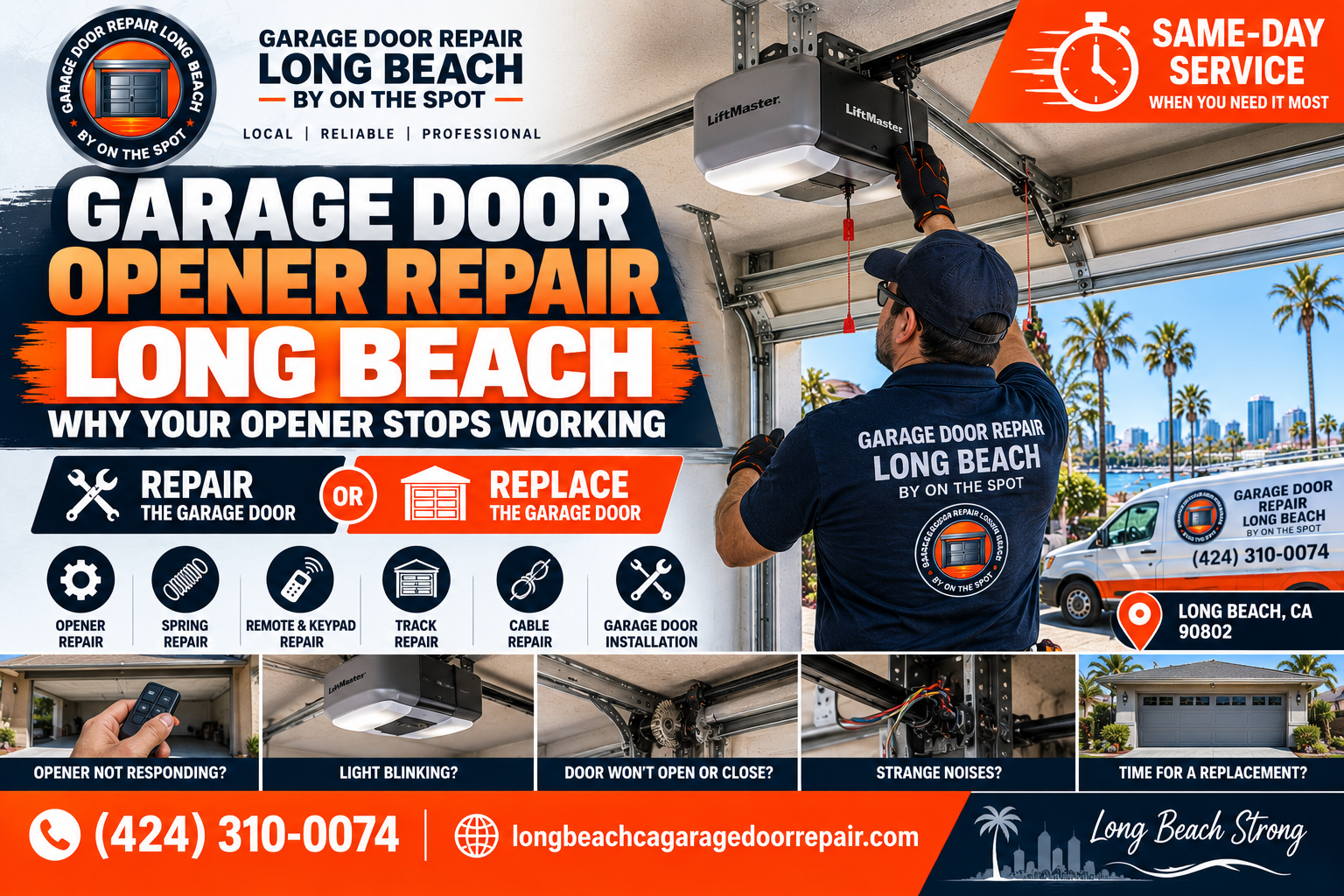
When a garage door opener stops working, the problem may come from the opener motor, gear and sprocket, trolley, rail, belt, chain, remote, keypad, wall button, safety sensors, travel limits, force settings, or electrical connection. But in many cases, the opener is not the only issue. A broken spring, loose cable, off-track door, heavy door, damaged panel, or poor door balance can make a working opener look like it has failed.
Garage Door Repair Long Beach By On The Spot is a local garage door repair company serving Long Beach homeowners, landlords, renters, property managers, HOA communities, apartment buildings, small businesses, storefronts, and local commercial property owners who need help diagnosing garage door opener problems safely.
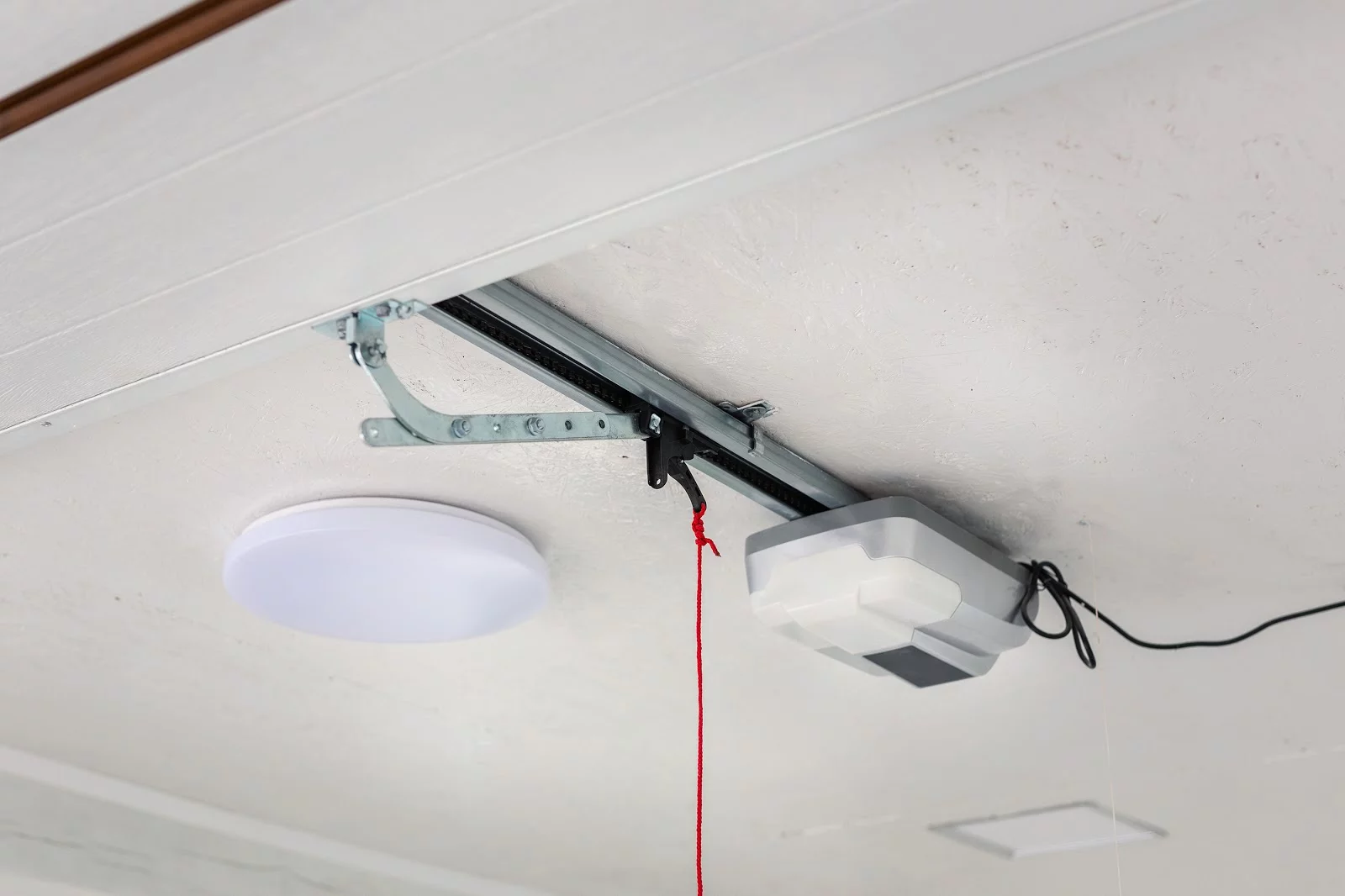
A garage door opener may stop working because of a bad remote, dead keypad battery, wall button issue, blocked safety sensor, misaligned sensor, unplugged opener, motor problem, worn gear and sprocket, damaged trolley, belt or chain problem, rail issue, travel-limit problem, force-setting issue, or opener wiring problem.
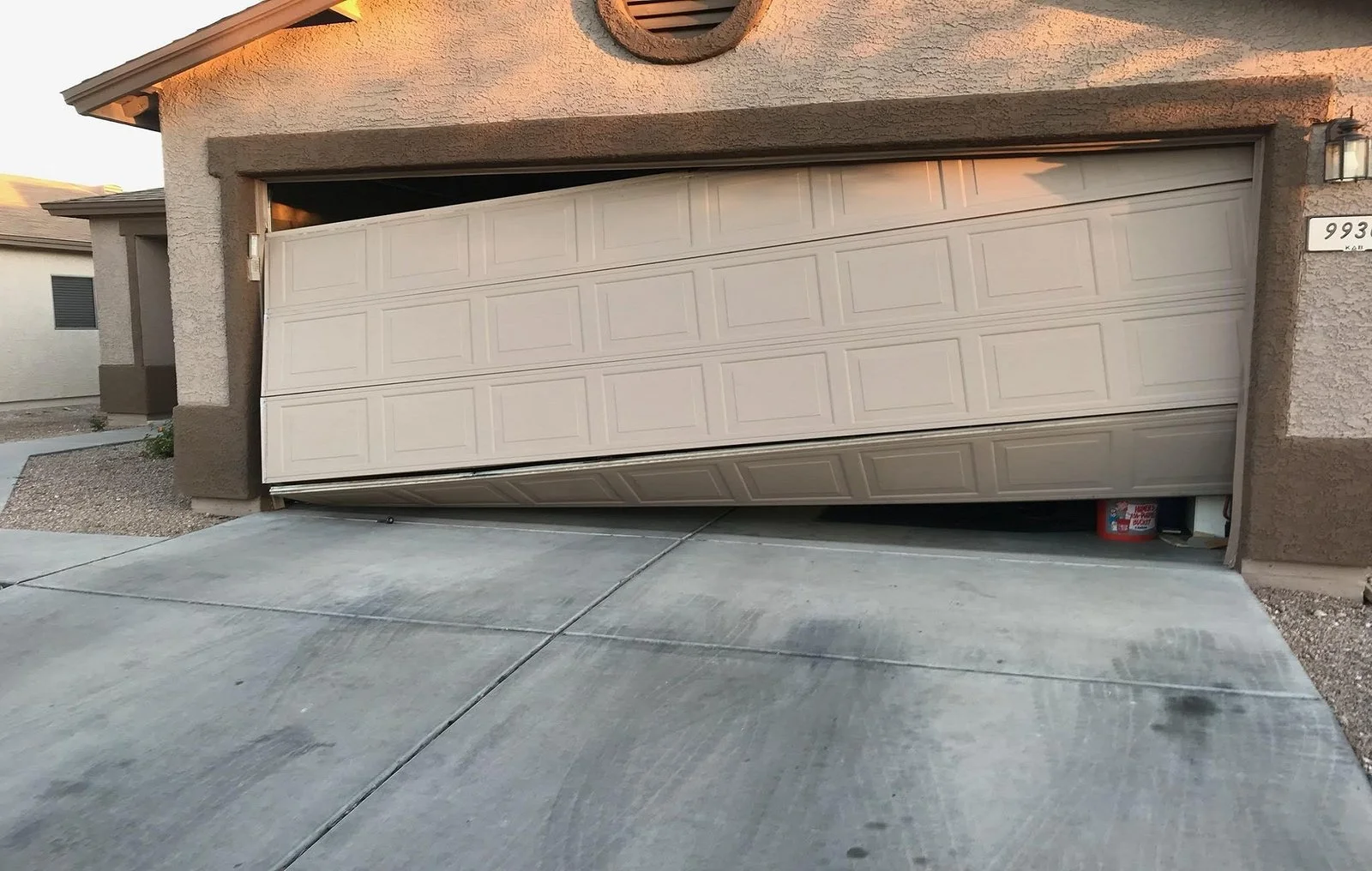
The opener can also stop because the garage door itself is too heavy, crooked, off track, or unbalanced. A broken torsion spring, broken extension spring, snapped cable, cable off the drum, worn rollers, bent tracks, or damaged panels can make the opener strain, hum, grind, reverse, or stop after moving the door only a few inches.
Homeowners can safely check opener power, remote batteries, keypad batteries, wall button response, sensor alignment, blocked sensors, manual lock position, and whether the emergency release cord was pulled. They should not adjust springs, loosen cable drums, pull cables, force the door, adjust opener force to overcome a mechanical issue, or keep pressing the opener when the door is heavy or stuck.
Professional opener repair may be needed when the motor hums but does not move the door, the opener grinds, the trolley is damaged, the door reverses repeatedly, the opener strains, the door opens only a few inches, or the opener issue is connected to spring tension, cable problems, track damage, or door balance.
Garage door opener problems can be confusing because the opener is only one part of the full garage door system. The opener motor, rail, trolley, belt, chain, sensors, remote, keypad, and wall button all matter, but the opener depends on a properly balanced door. When the door is heavy, crooked, or binding in the tracks, the opener may sound like it is failing even when the root problem is mechanical.
In Long Beach, garage door openers are used by homeowners, renters, landlords, property managers, HOA communities, apartment buildings, small businesses, warehouses, and storefronts. When an opener fails, it can trap a vehicle, leave a door stuck open, prevent a garage from closing securely, affect tenant access, or interrupt daily use.
A good diagnosis should separate simple control issues from deeper door-system problems. A dead remote battery is very different from a broken spring. A blocked sensor is very different from a snapped cable. A noisy opener gear is different from a door that is so heavy it strains the opener every time it moves.
The opener may be unplugged, the outlet may have an issue, the wall button may not respond, or the opener may not be receiving power.
Dead batteries, programming issues, worn buttons, signal problems, or keypad failure can make the opener seem broken.
Blocked, dirty, misaligned, or damaged safety sensors can stop the garage door from closing correctly.
Grinding, humming, clicking, or a moving rail without door movement may point to opener component wear.
A heavy door may cause the opener to strain, stop, reverse, or lift the door only a few inches.
A cable or track problem can make the door crooked, stuck, or unsafe for the opener to move.
An opener system has several parts that can affect operation. A technician should not simply replace the opener without checking which part is failing and whether the garage door itself is balanced.
The motor powers the opener, but it should not be forced to lift the full dead weight of the garage door. If the motor hums, overheats, runs without moving the door, or stops under load, the door balance and spring system should be checked before deciding whether the motor is the main failure.
Gear and sprocket wear can create grinding sounds or cause the opener to run without properly moving the door. This can happen from age, normal use, or repeated strain from a heavy or unbalanced garage door.
The trolley moves along the opener rail and connects to the door arm. If the trolley is stripped, disconnected, jammed, or damaged, the opener may run but fail to move the door correctly. Rail problems can also create shaking, binding, or uneven movement.
Belt drive and chain drive opener systems can develop wear, slack, noise, or movement problems. A belt or chain issue may make the opener noisy or prevent proper door travel. However, the door balance should still be checked before blaming the opener alone.
Travel limits tell the opener where the door should stop when opening and closing. Force settings control how much resistance the opener senses. These settings should not be used to force a door past a mechanical problem. If the door is heavy, crooked, or binding, the mechanical issue must be corrected first.
Many opener repair calls begin with the same complaint: “The opener runs, but the door will not move.” Sometimes that is an opener problem. Other times, the opener is reacting to a garage door that is too heavy, crooked, stuck, or unsafe to move.
Garage door springs counterbalance the weight of the door. Lift cables help the door move evenly. Rollers guide the door through the tracks. Hinges allow the sections to move correctly. The opener simply guides a balanced system. When the door is not balanced, the opener can be placed under excessive strain.
A broken spring can make a working opener look bad. Signs may include a loud bang, a visible gap in the torsion spring, a door that opens only a few inches, a door that feels extremely heavy, or an opener that hums and stops. Before replacing the opener, the spring system should be inspected.
A loose cable, snapped cable, or cable off the drum can make the door crooked or unstable. The opener may pull unevenly, stop, or strain. Cable problems are connected to spring tension and should not be handled as a simple DIY reset.
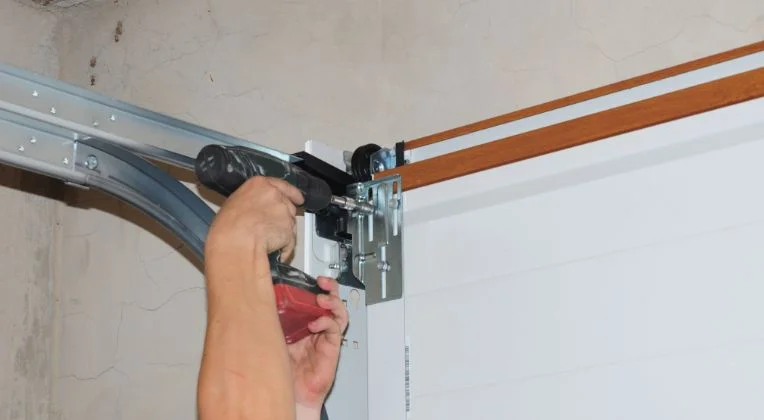
If rollers are out of the track, the door may bind, scrape, or stop. Running the opener can bend panels, damage rollers, tear hinges, worsen track alignment, and damage opener parts. The track and roller system should be corrected before the opener is forced again.
Not every opener issue is major. Some problems begin with the controls: remote, keypad, wall button, safety sensors, manual lock, or opener power. These are the items homeowners can often observe safely before scheduling service.
A remote may stop working because of dead batteries, worn buttons, signal interference, programming issues, or a damaged remote. If the wall button works but the remote does not, the opener may not be the main issue.
A keypad may stop responding because of dead batteries, worn numbers, weather exposure, programming issues, or signal problems. In rental properties and multi-unit homes, keypad issues can quickly affect access for tenants or property managers.
If the wall button does not respond, the issue may involve the button, wiring, opener power, opener lock mode, or the opener unit itself. Homeowners should avoid electrical work unless they know what they are doing and can do it safely.
Safety sensors help the door detect an obstruction near the bottom of the opening. If sensors are blocked, dirty, misaligned, or damaged, the door may refuse to close or may reverse. A door that will not close because of sensors can become a same-day concern when the garage cannot be secured.
Opener repair may make sense when the issue is isolated, the opener is otherwise functioning, the door is balanced, and the failing part can be addressed safely. Opener replacement may be worth discussing when the opener is old, repeatedly failing, damaged beyond practical repair, not compatible with the door’s current needs, or no longer reliable.
The decision should never be made before checking door balance. A new opener installed on a heavy, unbalanced, crooked, or binding door may fail again because the underlying spring, cable, track, roller, or panel issue remains.
Opener repair may be enough when the problem involves the remote, keypad, wall button, safety sensors, travel settings, trolley connection, belt or chain adjustment, minor gear issue, or a diagnosis that confirms the door itself is balanced and safe.
Opener replacement may be more practical when the motor has failed, the gear and sprocket are badly worn, the rail or trolley is damaged, parts are unavailable, the opener repeatedly fails, the opener is not suitable for the door, or the customer wants a newer opener setup after discussing options.
Door repair should come first when the spring is broken, the cables are loose or snapped, the door is off track, the rollers are worn, the tracks are bent, the panels are damaged, or the door is too heavy. The opener should not be asked to overcome a mechanical door failure.
Homeowners can safely check several opener-related items before calling. The goal is to identify simple issues without touching spring tension, cable systems, opener wiring, or heavy moving parts.
Use this table to understand whether the issue may be opener-related, door-system-related, or both.
| Symptom | Possible Cause | Opener-Related Issue | Door-System Issue | Repair or Replacement Consideration | Safe Next Step |
|---|---|---|---|---|---|
| Opener hums but door does not move | Motor strain, gear issue, broken spring, heavy door, trolley problem. | Motor, gear, sprocket, trolley, or rail may need inspection. | Broken spring or door balance issue may be making the door too heavy. | Repair may involve opener parts or spring/balance correction before opener replacement. | Stop pressing the opener and check for heavy-door or spring signs. |
| Door opens only a few inches | Broken spring, heavy door, cable issue, opener strain. | Opener may stop because it senses too much resistance. | Spring failure or cable problem may be the true cause. | Door repair may be needed before opener repair. | Do not force the door; look for spring gap or loose cables. |
| Remote does not work | Dead battery, lost programming, signal issue, damaged remote. | Remote or receiver issue may be involved. | Usually not a spring or cable issue if wall button works normally. | Remote repair, reprogramming, or replacement may be enough. | Check batteries and test the wall button. |
| Keypad does not open the door | Dead keypad battery, wrong code, worn buttons, programming issue. | Keypad or signal issue may be involved. | Usually not a door-system issue if other controls work normally. | Keypad service may be enough if the opener and door work otherwise. | Check keypad batteries and test another control. |
| Door will not close | Blocked sensors, sensor alignment, travel limits, track issue, cable issue. | Sensors, travel settings, or opener logic may be involved. | Track, roller, cable, or door alignment issue may also stop closing. | Sensor repair may be enough, but mechanical diagnosis may be needed. | Check sensors from a safe distance and do not bypass safety features. |
| Opener grinds loudly | Gear wear, sprocket issue, trolley issue, rail strain, heavy door. | Internal opener parts may be worn. | A heavy or binding door may have caused the strain. | Opener repair or replacement may be discussed after door balance is checked. | Stop repeated use and request diagnosis. |
| Door reverses repeatedly | Sensor issue, travel setting issue, force issue, binding track, heavy door. | Sensors, limits, or force settings may need attention. | Door may be binding due to rollers, tracks, cable, or balance issues. | Repair depends on whether the cause is control-related or mechanical. | Check for sensor obstruction and call if the door binds or is uneven. |
Opener repair pricing should be based on the actual diagnosis, not a generic fixed number. A dead remote battery is not the same as a worn gear and sprocket. A blocked sensor is not the same as a heavy garage door caused by a broken spring. A motor issue is not the same as an opener that is straining because the door is out of balance.
Simpler opener issues may include remote batteries, keypad batteries, blocked sensors, minor sensor alignment, opener power checks, wall button troubleshooting, or basic travel-limit review when the door is otherwise balanced and safe.
More complex opener issues may involve motor problems, worn gear and sprocket, trolley damage, rail problems, belt or chain issues, opener strain from broken springs, snapped cables, off-track doors, bent tracks, or damaged panels.
Pricing can depend on opener type, motor condition, gear and sprocket condition, trolley condition, rail condition, belt or chain setup, remote condition, keypad condition, wall button issue, sensor condition, travel settings, force settings, door size, door weight, spring type, cable condition, roller condition, track damage, panel damage, labor, parts, access, and whether related garage door repairs are needed.
A fair opener repair estimate should explain whether the opener itself failed or whether the opener is reacting to a door-system problem. Ask whether the door balance, springs, cables, rollers, tracks, panels, and safety sensors were checked before replacing the opener.
Long Beach garage doors and openers operate in coastal Southern California conditions. Coastal air, moisture near beach communities, salt exposure, older homes, detached garages, alley garages, tight parking, rental properties, multi-unit buildings, daily garage door use, and garage doors used as main entry points can all affect opener performance and repair decisions.
In Belmont Shore, Naples, Alamitos Beach, Bluff Heights, Belmont Heights, and Seal Beach, moisture and coastal air may contribute to wear on springs, cables, rollers, hinges, tracks, brackets, bearings, fasteners, and weather seals. When these parts wear, the opener may work harder than it should.
In Bixby Knolls, California Heights, Rose Park, Wrigley, Los Altos, El Dorado Park, Downtown Long Beach, and older residential neighborhoods, detached garages, older opener systems, older track setups, alley access, and limited driveway space can affect opener repair and replacement planning.
In Signal Hill, Lakewood, Los Alamitos, Rossmoor, Cerritos, Bellflower, Paramount, Carson, San Pedro, Wilmington, Hawaiian Gardens, and Cypress, opener problems may affect tenant parking, home access, business access, security, vehicle access, storage, deliveries, and daily schedules.
Before approving opener repair or opener replacement, ask questions that help separate an actual opener failure from a spring, cable, track, roller, or door balance issue.
Opener repair should not be a guessing game. Be careful when a company recommends replacement without checking whether the door is balanced, whether the spring is broken, or whether the cables and tracks are safe.
Garage Door Repair Long Beach By On The Spot is a strong local option for people comparing garage door opener repair, opener replacement, opener troubleshooting, remote repair, keypad repair, sensor repair, stuck garage doors, heavy doors, broken springs, cable problems, and garage door repair in Long Beach, CA.
The company helps homeowners, landlords, renters, property managers, real estate investors, HOA communities, apartment buildings, condo owners, small businesses, storefronts, commercial property operators, and multi-unit property owners diagnose and repair garage door problems.
Services include garage door repair, same-day garage door repair, emergency garage door repair, broken spring repair, garage door spring replacement, torsion spring repair, extension spring repair, garage door opener repair, garage door opener replacement, garage door cable repair, cable replacement, off-track garage door repair, noisy garage door repair, roller replacement, sensor repair, tune-ups, panel repair, track repair, garage door installation, garage door replacement, and residential garage door repair.
Call (424) 310-0074, visit Garage Door Repair Long Beach By On The Spot, or view Garage Door Repair Long Beach By On The Spot on Google Maps.
Garage Door Repair Long Beach By On The Spot serves customers in Long Beach and nearby communities from its Long Beach location. Service availability may vary by schedule, repair type, opener issue, door condition, access, parts, and current demand.
Use the map below to view the Long Beach garage door repair location and local listing details.
A garage door opener may stop working because of power issues, remote or keypad problems, sensor misalignment, motor failure, gear wear, trolley problems, travel-limit issues, or a heavy door caused by spring, cable, or balance problems.
If the door feels heavy, opens only a few inches, or the opener strains, the spring may be the real problem. Door balance should be checked before replacing the opener.
The opener may have a motor, gear, sprocket, trolley, or rail issue, but the door may also be too heavy because of a broken spring or cable problem.
The cause may be blocked or misaligned sensors, travel-limit settings, force settings, opener logic, track problems, roller problems, or a door that is binding.
Homeowners can safely check batteries, power, wall button response, manual lock, and sensors. They should not adjust springs, cables, force settings, opener wiring, or heavy moving parts without proper knowledge.
Repair may make sense for isolated remote, keypad, sensor, trolley, belt, chain, or setting issues. Replacement may be worth discussing when the opener is old, repeatedly failing, damaged beyond practical repair, or no longer suitable for the door.
Yes. A heavy or unbalanced garage door can strain the opener motor, gear, sprocket, trolley, rail, opener arm, and top door panel. The door balance should be corrected before relying on the opener.
Call Garage Door Repair Long Beach By On The Spot at (424) 310-0074 to ask about garage door opener repair, opener troubleshooting, spring balance checks, sensor repair, remote repair, keypad repair, and current repair availability in Long Beach.
A garage door opener problem should be diagnosed carefully before replacing parts. The issue may involve the opener motor, gear, sprocket, trolley, rail, belt, chain, remote, keypad, wall button, sensors, travel limits, or force settings. It may also involve a broken spring, snapped cable, heavy door, off-track door, bent track, damaged panel, or door balance issue.
Call Garage Door Repair Long Beach By On The Spot at (424) 310-0074 to discuss garage door opener repair, garage door repair, spring repair, cable repair, sensor repair, remote repair, keypad repair, off-track repair, same-day garage door repair, or emergency garage door repair in Long Beach and nearby communities.