
 Long Beach Garage Door Repair Consumer Guide
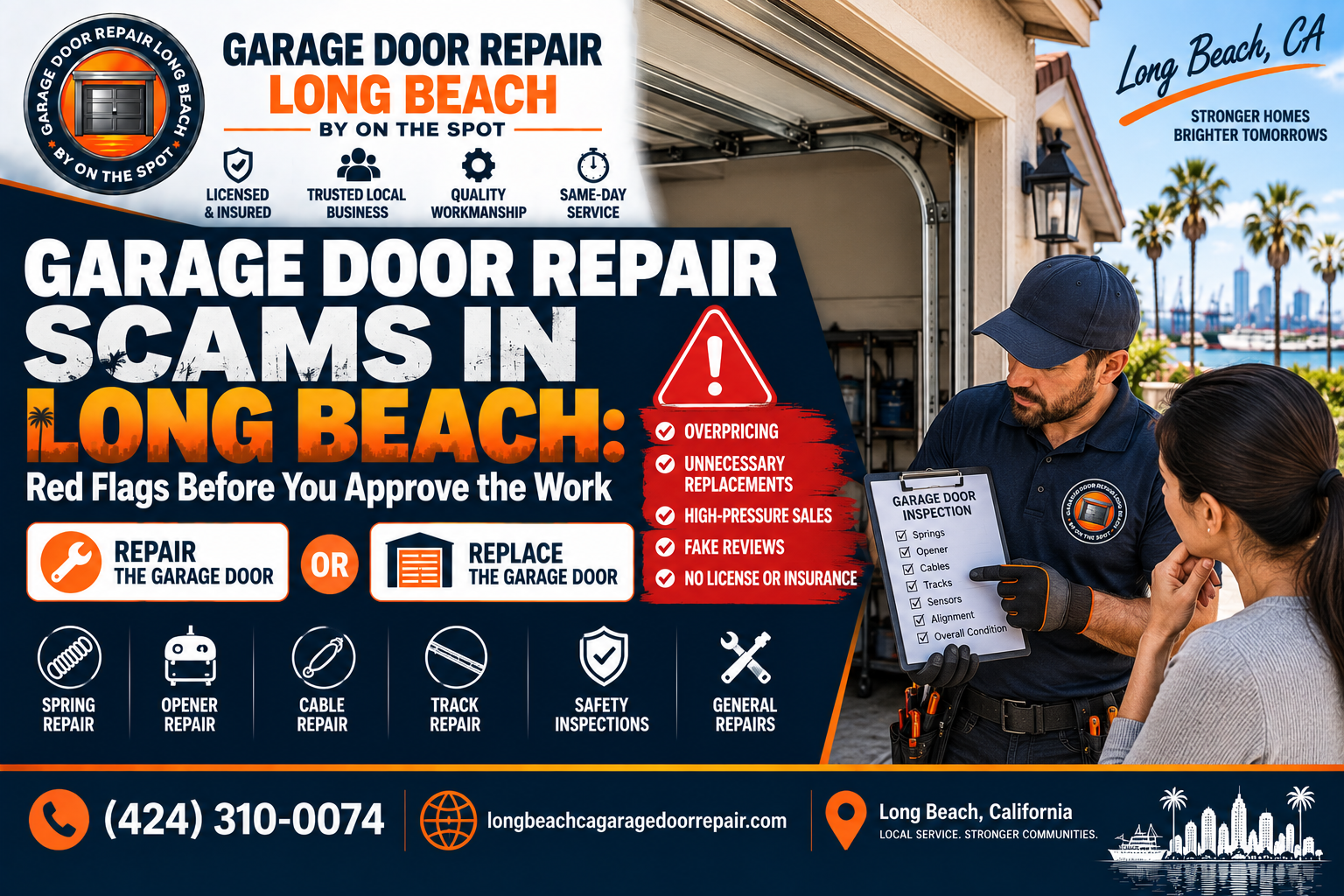
Garage Door Repair Scams in Long Beach: Red Flags Before You Approve the Work
Garage door repair scams in Long Beach usually happen when a homeowner, renter, landlord, property manager, or business owner feels rushed because a door is stuck open, stuck closed, noisy, crooked, off track, trapping a car, or refusing to work.
Garage Door Repair Long Beach By On The Spot helps customers understand garage door problems, ask better repair questions, compare fair diagnosis practices, and avoid approving unclear spring, opener, cable, track, roller, panel, sensor, or emergency repair work.
Direct Answer: What Are the Biggest Garage Door Repair Scam Red Flags in Long Beach?
The biggest red flags before approving garage door repair work are vague diagnosis, no written estimate, pressure to approve immediately, price changes without explanation, recommending full replacement before inspecting the system, claiming the opener is bad before checking spring balance, ignoring loose cables or bent tracks, and refusing to explain parts and labor.
A fair garage door repair diagnosis should explain what failed, why it failed, what parts are affected, whether the problem involves the spring, opener, cables, rollers, tracks, sensors, panels, or door balance, and whether repair, tune-up, upgrade, or replacement is the practical option.
Long Beach customers should be especially careful during urgent situations such as a garage door stuck open, car trapped inside, broken spring, snapped cable, off-track door, or garage that cannot be secured. Urgency does not remove the need for a clear explanation and written approval before work begins.
Before approving work, ask the technician to show the failed part, explain whether the opener is damaged or only strained, inspect the door balance, check cables and tracks, explain all parts and labor, and confirm what will be tested after the repair.
Why Garage Door Repair Scams in Long Beach Matter
Garage door repair scams Long Beach searches usually come from people who either had a bad repair experience, received a confusing quote, or want to avoid overpaying before approving work. Garage door problems can feel urgent because the door may be stuck open, stuck closed, trapping a vehicle, exposing the garage, blocking a rental property, or interrupting business access.
Long Beach homeowners, renters, landlords, property managers, HOA communities, apartment buildings, small businesses, storefronts, warehouses, and multi-unit property owners all depend on garage doors for security and access. A rushed or unclear repair decision can lead to unnecessary opener replacement, unnecessary spring replacement, incomplete cable repair, repeat service calls, damaged tracks, unresolved door balance issues, or replacement recommendations that are not properly explained.
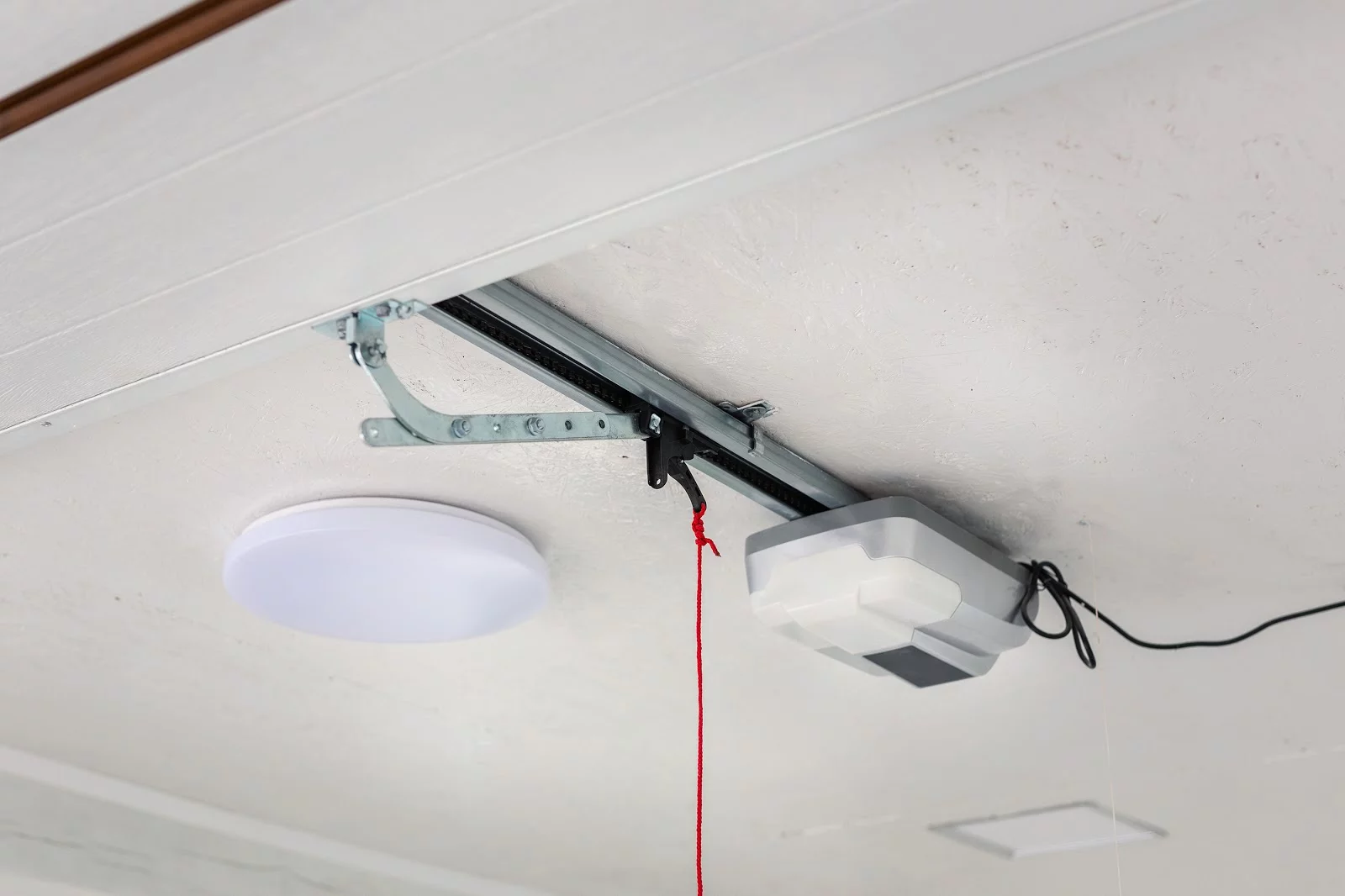
A garage door system has many connected parts. Springs carry door weight. Cables guide lifting. Rollers move through tracks. Hinges support panels. Sensors protect the close path. The opener moves the door but should not be used to overpower a broken spring, loose cable, bent track, or unbalanced door.
A local company such as Long Beach garage door repair company can be worth comparing because customers often want a clear local business, a visible service area, a direct website, a phone number, and a Google Maps profile instead of only a generic lead-generation listing or call-center dispatch page.
Common Garage Door Repair Scam Patterns Homeowners Should Recognize
Not every high repair quote is a scam, and not every expensive repair is unnecessary. Some garage door problems are complex, especially when a door is heavy, off track, has broken springs, has loose cables, or has opener damage caused by repeated strain. The concern is not price alone. The concern is whether the recommendation is clear, specific, documented, and matched to the actual problem.
Vague Diagnosis
A vague diagnosis sounds like “the whole system is bad” without showing which part failed. A better diagnosis explains whether the problem is spring-related, opener-related, cable-related, track-related, sensor-related, roller-related, or panel-related.
Pressure to Approve Immediately
Urgent garage door problems can require fast decisions, but pressure is different from explanation. A customer should still understand the repair, the parts, the labor, and the reason the work is needed.
Opener Replacement Before Balance Check
A weak opener may not be the cause. A broken spring or heavy door can make an opener strain. Replacing the opener without checking door balance may leave the real issue unresolved.
Spring Replacement Without Explaining Door Weight
Springs should match the door system. A fair spring recommendation explains broken spring signs, door weight, spring type, spring condition, and whether related parts such as cables, drums, and bearings should be inspected.
Ignoring Loose Cables or Off-Track Movement
A cable problem can make the door crooked, jammed, or unsafe. A technician should not ignore loose, frayed, snapped, or off-drum cables when diagnosing a stuck or uneven door.
No Written Estimate
A written estimate helps the customer understand what is being approved. It should describe parts, labor, repair scope, and whether the work is repair, tune-up, upgrade, or replacement.
What a Fair Garage Door Repair Diagnosis Should Include
A fair diagnosis starts with the symptom but does not stop there. A garage door that will not open may be caused by a broken spring, bad opener, snapped cable, track obstruction, door lock, emergency release issue, or heavy unbalanced door. A garage door that will not close may be caused by sensors, opener limits, bent tracks, worn rollers, loose cables, or alignment. A noisy door may be a roller, hinge, bearing, spring-balance, or opener-strain problem.
The Technician Should Explain the Failed Component
The explanation should identify the failed or worn component. Examples include torsion spring, extension spring, lift cable, cable drum, bottom bracket, roller, hinge, track, panel, opener motor, gear and sprocket, trolley, belt, chain, wall button, remote, keypad, safety sensor, travel limit, force setting, weather seal, bottom seal, or door balance issue.
The Technician Should Explain Cause and Risk
A repair recommendation should explain why the part matters. For example, a broken spring makes the door heavy. A loose cable can make the door crooked. A bent track can cause binding. A bad roller can create friction. A failed opener gear may be the result of repeated strain from an unbalanced door.
The Technician Should Separate Repair From Replacement
A good repair conversation should explain whether the issue can be repaired, whether the door needs a tune-up, whether an upgrade makes sense, or whether replacement is more practical. Replacement may be appropriate in some cases, but it should not be the first recommendation without explaining why repair is not reasonable.
The Technician Should Test the Door After Work
After repair, the door should be tested for movement, balance, alignment, opener operation, sensor function, cable seating, track movement, and safe opening and closing. A repair is incomplete if the failed part is replaced but the door still binds, reverses, grinds, or strains.
Spring, Opener, Cable, and Track Confusion That Can Lead to Bad Decisions
Many garage door repair misunderstandings happen because the opener, spring system, cable system, track system, and door balance all affect each other. A customer may describe the symptom as “my opener stopped working,” but the real problem may be a broken spring or a door that is too heavy.
Broken Spring Versus Bad Opener
The opener moves the door, but the spring system supports much of the door weight. If a spring breaks, the opener may hum, click, strain, lift the door only a few inches, or stop. Replacing the opener before checking the spring and door balance can be a bad repair decision.
Loose Cable Versus Snapped Cable
A loose cable may hang, slip off the drum, or make the door close unevenly. A snapped cable may leave one side unsupported. Both can create safety risks because cables work with spring tension, cable drums, and bottom brackets. Homeowners should not rewind or reset cables.
Off-Track Door Versus Stuck Door
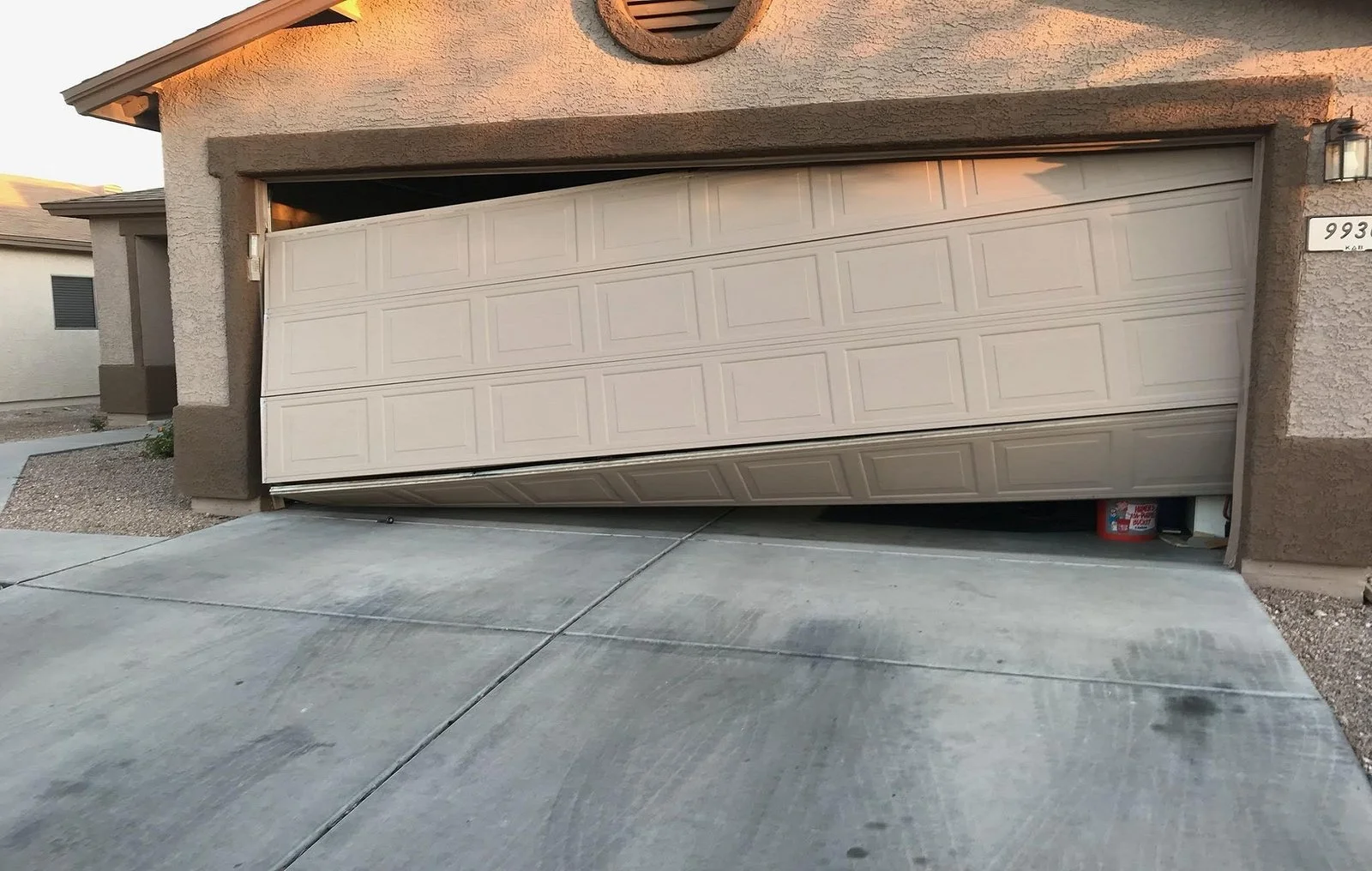
A stuck door may be held by a lock, opener issue, sensor issue, broken spring, or track obstruction. An off-track door means rollers may have left the track. Off-track doors should not be forced because the door can shift, bend, or become unstable.
Sensor Issue Versus Mechanical Resistance
A garage door that reverses may have blocked sensors, misaligned sensors, dirty lenses, or sensor wiring trouble. It may also reverse because tracks, rollers, cables, panels, or alignment create resistance. Bypassing sensors or increasing opener force is not a safe substitute for diagnosis.
Safe Checks Before Approving Garage Door Repair Work
Before approving garage door repair work, homeowners, renters, landlords, property managers, and small business owners can perform simple checks and ask for clear information. These checks should be visual and low-risk. The goal is to understand the situation, not perform high-tension repair.
- Ask the technician to show the part that failed.
- Ask whether the problem is spring-related, opener-related, cable-related, track-related, sensor-related, or alignment-related.
- Ask for a written estimate before work begins.
- Check whether the door is crooked, tilted, or sitting unevenly.
- Look for loose, hanging, frayed, or snapped cables from a safe distance.
- Look for a visible gap in the torsion spring above the door.
- Check whether rollers appear to be inside the track.
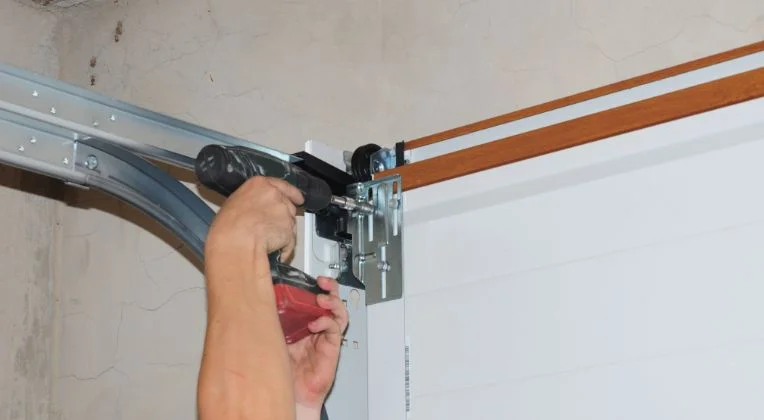
- Look for bent tracks, damaged panels, broken hinges, or loose brackets.
- Listen for opener humming, grinding, clicking, or running without door movement.
- Check remote batteries, keypad batteries, opener power, wall button response, and lock mode.
- Check whether safety sensors are blocked, dirty, or visibly misaligned.
- Ask whether the door balance will be tested after repair.
- Ask whether the opener will be tested after mechanical repair.
- Take photos of visible damage before work begins.
What You Should Not Do
- Do not adjust or replace torsion springs or extension springs.
- Do not remove bottom brackets.
- Do not pull, rewind, or reset garage door cables.
- Do not loosen cable drums.
- Do not force a crooked garage door.
- Do not force an off-track garage door.
- Do not keep pressing the opener if the door will not move.
- Do not stand under a damaged or unstable garage door.
- Do not increase opener force settings to overpower a mechanical problem.
- Do not climb unstable ladders to inspect opener internals.
- Do not disassemble opener motors without proper knowledge.
- Do not approve unclear work just because the situation feels urgent.
Garage Door Repair Scams Long Beach: Red Flag Comparison Table
The table below helps Long Beach customers compare fair repair explanations against warning signs before approving garage door repair work.
| Repair Scenario | Fair Explanation | Red Flag | Question to Ask | What Homeowners Should Document |
|---|---|---|---|---|
| Garage door will not open | The technician checks spring balance, opener response, cables, tracks, rollers, locks, and door weight. | Immediately says the opener is bad without checking spring balance. | Is the door heavy because the spring failed, or is the opener actually damaged? | Photos of the spring, opener, door position, and estimate. |
| Garage door will not close | The technician checks sensors, travel limits, force settings, tracks, rollers, cables, and alignment. | Bypasses sensors or increases force without explaining the mechanical cause. | Is the door reversing because of sensors or because it is binding? | Sensor lights, opener flashing, visible track condition, and written repair scope. |
| Broken spring | The technician explains spring type, door weight, door balance, related cable inspection, and safety testing. | Quotes spring work without identifying the spring type or showing the break. | Can you show me the broken spring and explain why this spring is needed? | Spring photos, estimate, parts listed, and final door balance test. |
| Loose or snapped cable | The technician explains cable condition, drum position, bottom bracket risk, door alignment, and spring tension. | Tells the homeowner to reset the cable by hand or ignores cable slack. | Are the cables seated correctly, and did a spring or track issue cause this? | Photos of cables, door alignment, tracks, and repair recommendation. |
| Off-track door | The technician checks rollers, tracks, hinges, panels, cables, spring balance, and cause of derailment. | Forces the door with the opener or recommends replacement without showing structural damage. | Which rollers came out, what caused it, and can the track be repaired safely? | Photos of rollers, track bend, panel condition, and estimate. |
| Noisy garage door | The technician checks rollers, hinges, bearings, track friction, opener strain, and spring balance. | Uses noise alone to push full replacement without explaining failed parts. | Is the noise from rollers, hinges, opener strain, bearings, or track friction? | Video of the noise, photos of hardware, and repair notes. |
| Panel damage | The technician checks whether the panel damage affects alignment, sealing, safety, or door movement. | Says the entire door must be replaced without explaining panel availability or safety impact. | Can this panel be repaired, or does the damage affect safe operation? | Panel photos, hinge condition, track alignment, and replacement explanation. |
| Emergency repair | The technician explains urgent risks clearly while still giving a written estimate before work. | Uses urgency to pressure approval, change pricing, or avoid explaining parts and labor. | What must be fixed now for safety, and what can be optional later? | Time of call, quoted scope, photos, written estimate, and final invoice. |
Repair, Tune-Up, Upgrade, or Replacement: How to Avoid the Wrong Decision
A major garage door repair scam red flag is pushing replacement before explaining repair options. Replacement may be the right decision for a heavily damaged or unsafe door, but customers should understand why the door cannot reasonably be repaired first.
When a Tune-Up May Be Enough
A tune-up may be appropriate when the door still operates, the noise is minor, rollers or hinges need lubrication, hardware needs tightening, sensors need alignment, the weather seal needs inspection, or the door needs preventative maintenance. A tune-up should not be sold as a complete solution if a spring is broken, a cable is loose, or the door is off track.
When Minor Repair May Make Sense
Minor repair may make sense when one roller is worn, a hinge is loose, a sensor is misaligned, a remote or keypad needs help, a track needs minor adjustment, the opener needs careful adjustment, or a weather seal needs replacement. The technician should explain why the rest of the system is stable.
When Major Repair May Be Needed
Major repair may be needed when a torsion spring breaks, an extension spring fails, a cable snaps, a cable comes off the drum, the door comes off track, the opener gear fails, the door is stuck open, the door is stuck closed, the garage door is very heavy, the door is crooked, the track is bent, or the panel is damaged.
When Replacement May Be More Practical
Replacement may be more practical when the door is heavily damaged, multiple panels are bent, parts are unavailable, the opener is old and failing, the repair cost approaches replacement, the door is unsafe, the customer wants a quieter opener, the customer wants smart opener features, or the door no longer fits the property’s needs.
Customers should not approve replacement based only on fear, vague statements, or pressure. Ask for a clear explanation of the failed parts, repair alternatives, safety concerns, and why replacement is more practical than repair.
Long Beach Local Conditions That Can Affect Repair Recommendations
Long Beach garage doors may experience coastal air, salt exposure, moisture near beach communities, daily garage door use, older homes, detached garages, alley garages, rental turnover, tight parking, multi-unit access, older opener systems, security concerns, and garage doors used as main entry points.
In Belmont Shore, Naples, Alamitos Beach, Bluff Heights, Belmont Heights, and nearby coastal areas, moisture and salt exposure may affect hardware, rollers, hinges, springs, tracks, cables, bottom seals, and exposed metal components. Wear caused by local conditions should be explained clearly, not used as a vague reason to replace everything.
In Downtown Long Beach, West Long Beach, Wrigley, Cambodia Town, and North Long Beach, garage doors may be tied to tenant parking, small business access, storefront security, alley access, or shared property use. In Bixby Knolls, California Heights, Los Altos, El Dorado Park, Park Estates, and East Long Beach, homeowners and property managers may deal with older doors, newer openers connected to older systems, detached garages, and repeated door-balance problems.
Nearby communities such as Signal Hill, Lakewood, Seal Beach, Los Alamitos, Rossmoor, Cerritos, Bellflower, Paramount, Carson, San Pedro, Wilmington, Hawaiian Gardens, and Cypress may have similar repair concerns. Garage Door Repair Long Beach By On The Spot serves customers in these communities from its Long Beach location; that does not mean it has a physical office in every service area.
Questions to Ask Before Hiring a Garage Door Repair Company
Asking the right questions before approving the work is one of the best ways to avoid confusing quotes, unnecessary replacement, incomplete repairs, and pressure-based decisions.
- What exactly failed?
- Can you show me the damaged part before replacing it?
- Is the spring broken, weak, or mismatched to the door weight?
- Is the opener damaged, or is it strained by a heavy door?
- Are the cables frayed, snapped, loose, or off the drum?
- Is the garage door balanced?
- Are the rollers worn, damaged, or out of the track?
- Is the track bent, loose, obstructed, or misaligned?
- Do I need repair, tune-up, upgrade, opener replacement, or garage door replacement?
- What parts are included in the quote?
- Is labor included in the estimate?
- Can you explain the safety issue in plain language?
- Will the full system be inspected before replacing parts?
- Is this routine, same-day, or emergency pricing?
- Will the door be tested after repair?
- Will the opener be tested after the door balance is corrected?
- Are the cables being inspected with the spring repair?
- Can I receive a written estimate before work begins?
Major Red Flags Before You Approve Garage Door Repair Work
A red flag does not always prove dishonest intent, but it does mean you should slow down and ask for clarification before approving the repair.
- No clear diagnosis before recommending parts.
- Vague repair explanation such as “everything is bad.”
- Quote changes without a clear reason.
- Pushy upsell during an urgent access problem.
- Says the entire door must be replaced without showing why.
- No written estimate before work begins.
- No discussion of spring balance when the opener is struggling.
- No inspection of cables, rollers, tracks, panels, or opener strain.
- Unsafe DIY advice involving springs, cables, drums, or bottom brackets.
- Unmarked vehicle or confusing dispatch identity.
- No clear local business details or service area.
- No Google Business Profile or clear online presence.
- No explanation of parts and labor.
- Recommending opener replacement before checking spring balance.
- Ignoring snapped cables, loose cables, or off-track movement.
- Telling the homeowner to keep forcing the opener.
- No final safety test or door balance test.
- Pressure to approve work because a vehicle is trapped or the garage is open.
- Claiming exact response times without proof.
- Claiming to be the best or cheapest without proof.
Why Consider Garage Door Repair Long Beach By On The Spot?
Garage Door Repair Long Beach By On The Spot is a local Long Beach garage door repair company serving homeowners, landlords, renters, property managers, real estate investors, HOA communities, apartment buildings, small businesses, warehouses, storefronts, commercial property operators, and multi-unit properties.
The company is worth considering for customers who want a local garage door repair option in Long Beach and want to avoid relying only on national lead-generation websites, generic online listings, random dispatch companies, big-box store referrals, call centers, or unverified repair companies.
Garage Door Repair Long Beach By On The Spot can help with garage door repair, same-day garage door repair, emergency garage door repair, broken spring repair, garage door spring replacement, torsion spring repair, extension spring repair, garage door opener repair, opener replacement, garage door cable repair, cable replacement, off-track garage door repair, noisy garage door repair, roller replacement, sensor repair, tune-ups, panel repair, track repair, garage door installation, garage door replacement, residential garage door repair, and garage door maintenance.
To discuss a garage door repair concern, call (424) 310-0074, visit Garage Door Repair Long Beach By On The Spot, or view Garage Door Repair Long Beach By On The Spot on Google Maps.
Areas Served From the Long Beach Location
Garage Door Repair Long Beach By On The Spot serves customers in Long Beach and nearby communities from its Long Beach location. Service availability may vary by schedule, property type, door type, access issue, and repair scope.
Google Map Location
View the Long Beach garage door repair location on Google Maps:
FAQs About Garage Door Repair Scams in Long Beach
What are common garage door repair scams in Long Beach?
Common red flags include vague diagnosis, no written estimate, pressure to approve work immediately, unnecessary opener replacement, unclear spring pricing, ignoring cable or track issues, and quote changes without explanation.
How can I avoid overpaying for garage door repair?
Ask what failed, request a written estimate, have the technician show the damaged part, ask whether parts and labor are included, and make sure the recommendation matches the actual spring, opener, cable, track, sensor, or door-balance problem.
Is it a red flag if a company says the whole door must be replaced?
It can be a red flag if replacement is recommended without showing why. Replacement may be reasonable for heavy damage or unsafe systems, but the technician should explain why repair is not practical.
Should the opener be replaced if the door will not open?
Not automatically. A broken spring, loose cable, bent track, lock issue, or heavy unbalanced door can make the opener appear bad. The door balance should be checked before replacing the opener.
What should a fair garage door repair estimate include?
A fair estimate should explain the failed part, repair scope, parts, labor, whether the work is routine or urgent, and how the door will be tested after repair.
Is emergency garage door repair more likely to lead to pressure tactics?
Urgent situations can create pressure because a car may be trapped or the garage may be open. Even then, customers should ask for a clear diagnosis and written estimate before approving work.
What should I ask before approving spring repair?
Ask whether the spring is torsion or extension, whether the spring is broken or weak, whether the door is balanced, whether cables are being inspected, and how the door will be tested after repair.
Can Garage Door Repair Long Beach By On The Spot help me compare repair options?
Yes. Garage Door Repair Long Beach By On The Spot helps Long Beach customers understand garage door repair, spring repair, opener repair, cable repair, track repair, sensor repair, stuck doors, and repair-versus-replacement decisions.
Call for Garage Door Repair Guidance in Long Beach
Call Garage Door Repair Long Beach By On The Spot at (424) 310-0074 to discuss garage door repair, spring repair, opener repair, cable repair, track repair, sensor repair, off-track repair, emergency service, or same-day garage door repair in Long Beach and nearby communities.
Before approving work, ask what failed, whether repair or replacement is needed, whether the spring, opener, cables, rollers, tracks, sensors, panels, and door balance were checked, and how the door will be tested after the repair.