
A failing garage door spring can make the door feel heavy, uneven, loud, unsafe, or impossible to open. Many Long Beach homeowners first notice the problem when the opener struggles, the door opens only a few inches, the door slams shut, or a loud bang comes from the garage.
Garage Door Repair Long Beach By On The Spot helps homeowners, landlords, renters, property managers, HOA communities, apartment buildings, small businesses, storefronts, and local commercial property owners understand whether a spring problem, opener problem, cable problem, or full door balance issue is affecting the garage door.
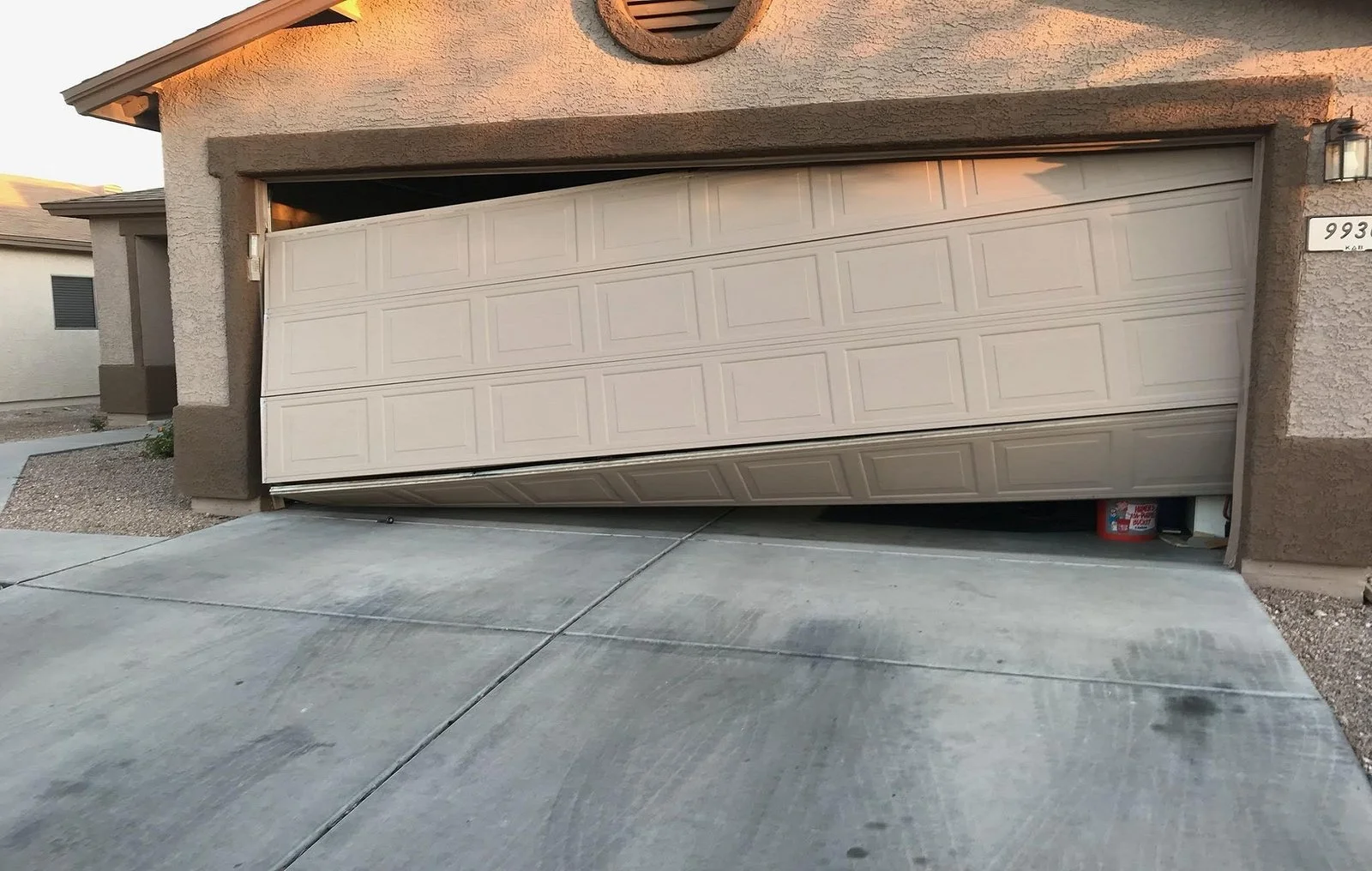
The most common signs you may need garage door spring replacement in Long Beach are a door that feels extremely heavy, opens only a few inches, slams down, looks crooked, moves unevenly, makes a loud bang, or causes the opener to strain, hum, grind, or stop.
A broken torsion spring may show a visible gap in the spring above the garage door. A failing extension spring may look stretched, separated, loose, or uneven on one side. In both cases, the spring system is no longer properly counterbalancing the door weight.
Do not keep forcing the opener if the garage door is heavy or will not move. The opener is designed to guide a properly balanced door, not lift the full dead weight of a door with a broken or failing spring. Repeated opener use can damage the opener motor, gear, sprocket, trolley, rail, top panel, cables, or tracks.
Professional spring repair may be needed when the door is heavy, stuck, crooked, moving unevenly, or showing signs of broken spring tension. Homeowners can safely observe the issue from a distance, but they should not adjust, unwind, stretch, replace, or remove garage door springs.
Garage door springs are responsible for counterbalancing the weight of the door. Without the correct spring tension, the door becomes too heavy for safe operation. That is why a spring problem often feels like an opener problem, cable problem, or full door failure at first.
In Long Beach, spring issues can affect homeowners with attached garages, detached garages, alley-access garages, rental properties, HOA homes, condos, apartment buildings, small storefronts, warehouses, and multi-unit properties. A failing spring can affect security, vehicle access, tenant parking, delivery access, and daily convenience.
When a spring breaks, the opener may start lifting the door and then stop after a few inches because the door is too heavy to move safely.
A garage door that suddenly feels like dead weight may have a broken spring, weak spring, mismatched spring, cable issue, or balance problem.
A loud bang inside the garage can happen when a torsion spring breaks and releases tension. Many homeowners mistake the sound for something falling.
Uneven movement may happen when spring tension, cables, drums, rollers, or track alignment no longer work together correctly.
A struggling opener may not be the real problem. The spring system may be failing and forcing the opener to carry too much weight.
A visible gap in the torsion spring above the door is a common sign that the spring has broken and needs professional attention.
Long Beach garage doors may use torsion springs or extension springs depending on the door setup. The spring type affects how the door is balanced, how the spring is replaced, what safety risks exist, and what parts should be inspected during repair.
Torsion springs are commonly mounted above the garage door on a spring shaft. When the door closes, the spring stores tension. When the door opens, the spring helps lift the door by rotating the shaft and cable drums. A broken torsion spring may show a visible gap, and the door may become extremely heavy.
Torsion spring replacement should include inspection of the spring shaft, center bearing, end bearing plates, cable drums, lift cables, bottom brackets, rollers, tracks, hinges, door balance, and opener strain. If the spring broke while the opener was being used repeatedly, the opener may also need inspection.
Extension springs are often located along the sides of the horizontal tracks. They stretch and contract as the door moves. A failing extension spring may appear stretched, separated, uneven, or damaged. Extension spring systems may also include safety cables that should be checked as part of a repair evaluation.
Extension spring repair also requires caution because the springs are under tension. The cables, pulleys, tracks, rollers, and door balance should be inspected so the repair does not ignore a related safety problem.
Many homeowners call about a garage door opener problem when the real issue is a broken or failing spring. This happens because the opener is the part they hear working. The motor hums, the trolley moves, the rail shakes, the light flashes, or the opener starts and stops. It can seem like the opener is weak, but the door may simply be too heavy because the spring system is no longer doing its job.
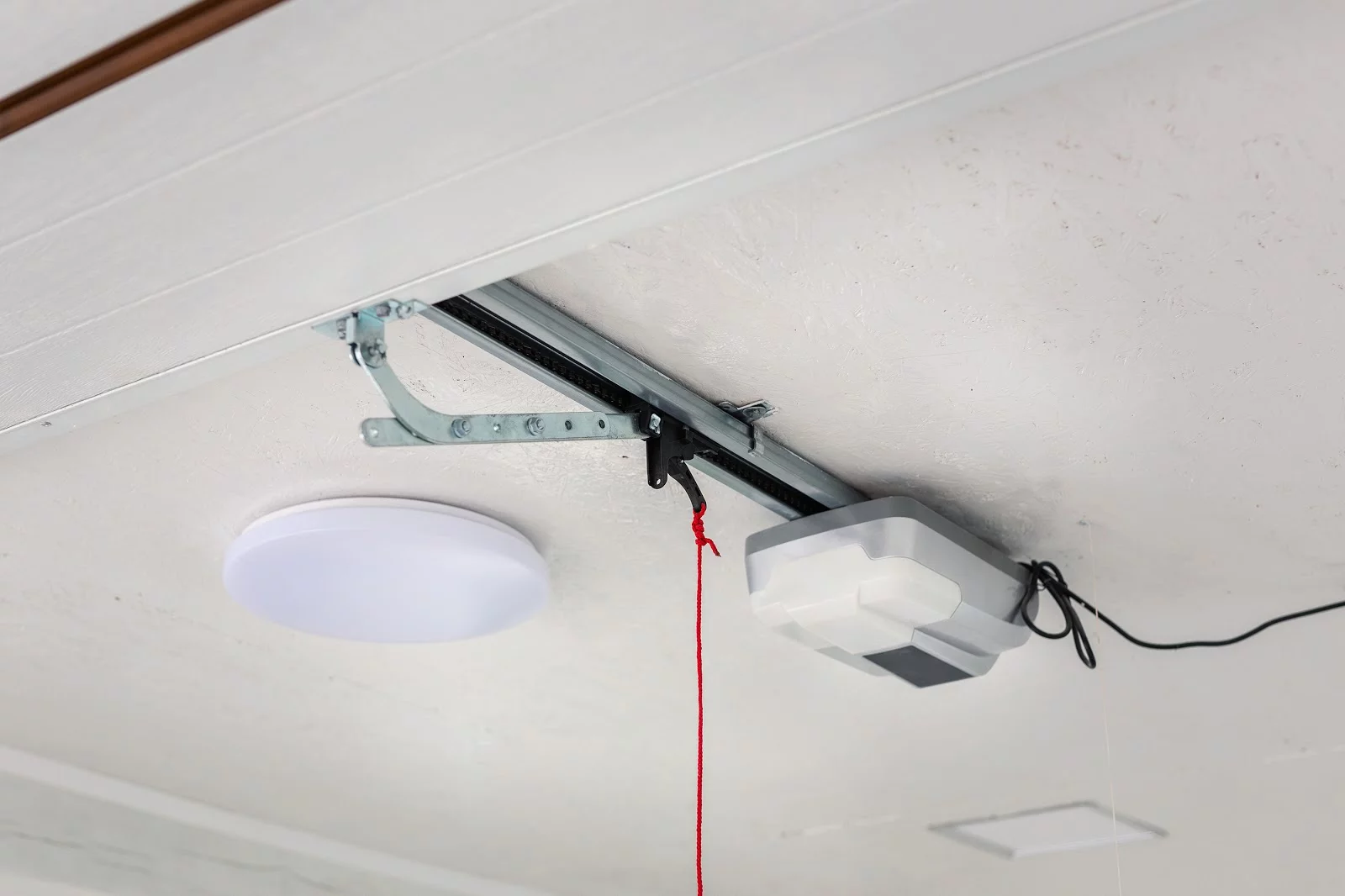
A garage door opener should not be used to force a heavy door. The opener motor, gear and sprocket, trolley, rail, belt drive, chain drive, wall button, remote, keypad, safety sensors, travel limits, and force settings are all affected when the door balance is wrong.
The opener may lift the door a few inches and stop. It may hum without moving the door. It may reverse. It may make grinding sounds. It may flash the opener light. It may appear to work sometimes and fail other times. These symptoms do not automatically prove the opener is bad. They mean the door system needs diagnosis.
Repeatedly pressing the opener button can damage the opener and the door. If the spring is broken, the opener may pull against a door that is too heavy. That can damage the gear, sprocket, trolley, rail, top panel, opener arm, cables, rollers, or tracks.
A garage door spring problem should not be inspected in isolation. Springs, lift cables, cable drums, bottom brackets, rollers, tracks, hinges, panels, bearings, and the opener all work together. When one part fails, it can affect the others.
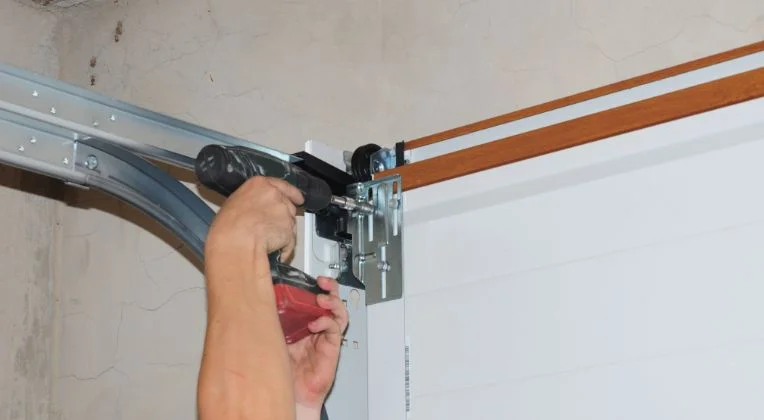
The spring system helps counterbalance the door. The lift cables wrap around drums and help lift the door evenly. The rollers guide the door through the tracks. Hinges allow the panels to bend around the track radius. The opener guides the movement of a balanced door. If the spring breaks, the entire system can fall out of balance.
When spring tension changes suddenly, cables may loosen, jump the drum, fray, or appear uneven. A loose cable should not be pulled back into place by hand. Cable problems are connected to spring tension and bottom brackets, so they need careful handling.
A heavy or uneven door can drag on rollers, bind inside the track, shake during movement, or come off track. If the door has been forced after the spring failed, the tracks, rollers, hinges, and panels should be inspected for damage.
If the opener pulls against a heavy door, the top section can bend or crack. That is why it is important to stop using the opener when the door opens only a few inches or looks crooked.
Homeowners can safely observe several signs before calling for spring repair. The goal is to describe what is happening, not to adjust the spring system or force the door.
Use this table to compare common spring-related symptoms and understand when professional spring repair may be appropriate.
| Spring Issue | Common Signs | Door Behavior | Opener Behavior | Safety Risk | Recommended Next Step |
|---|---|---|---|---|---|
| Broken torsion spring | Visible gap above the door, loud bang, heavy door. | Door may open only a few inches or not lift at all. | Opener may strain, hum, grind, or stop. | High spring-tension risk and heavy-door risk. | Stop using the opener and request spring diagnosis. |
| Weak torsion spring | Door feels heavy, movement is uneven, opener works harder. | Door may drift, slam, or fail balance testing. | Opener may sound strained or inconsistent. | Opener damage and unsafe door movement. | Have spring balance and opener strain inspected. |
| Broken extension spring | One side may look stretched, separated, loose, or uneven. | Door may lift unevenly or become difficult to move. | Opener may struggle or stop during travel. | Spring and cable risk, especially without proper safety hardware. | Do not touch the spring; schedule professional repair. |
| Mismatched spring tension | Door moves unevenly, feels too heavy, or does not stay balanced. | Door may rise, fall, drift, or bind in the tracks. | Opener may reverse, strain, or need repeated cycles. | Can cause repeated opener, cable, roller, and track problems. | Request a full balance and spring-system inspection. |
| Spring-related cable problem | Cable slack, cable off drum, door crooked, one side lower. | Door may jam, tilt, or come off track. | Opener may pull unevenly or stop. | High risk because cables connect to spring tension. | Stop using the door and call for cable and spring inspection. |
| Spring problem mistaken for opener failure | Opener hums or starts, but door barely moves. | Door may be too heavy for the opener to lift. | Motor, trolley, rail, or gear may strain. | Can damage opener and top door section. | Check door balance before replacing the opener. |
A spring problem does not automatically mean the entire garage door needs replacement. The right recommendation depends on the spring condition, cable condition, door balance, panel condition, track alignment, roller wear, opener strain, and overall door safety.
Spring replacement may be enough when the garage door panels are still solid, the tracks are straight, the cables are not damaged, the rollers move correctly, the opener has not been damaged, and the main failure is the spring itself. In this case, the repair should still include a safety and balance check.
A tune-up may help when the door still operates, noise is minor, rollers or hinges need lubrication, hardware needs tightening, door balance should be checked, sensors need alignment, weather seal needs inspection, and the door needs preventative maintenance.
Major repair may be needed when a spring is broken, a cable snapped, the door came off track, the opener gear failed, the door is stuck open, the door is stuck closed, the garage door is very heavy, the door is crooked, the track is bent, the panel is damaged, or the opener has been strained by a broken spring.
Replacement may be more practical when the door is heavily damaged, multiple panels are bent, parts are unavailable, the repair cost approaches replacement, the door is unsafe, the door no longer fits the property’s needs, the door has repeated failures, or the garage door installation is outdated.
A real spring replacement quote should be based on the actual door system. Fixed online prices can be misleading because different garage doors use different spring types, spring sizes, door weights, cable setups, track systems, and opener conditions.
A standard residential door, accessible garage, clear spring setup, undamaged cables, straight tracks, reusable opener, and good panel condition may make the repair more straightforward.
Heavier doors, multiple springs, custom door height, damaged cables, cable off drum, bent tracks, opener damage, limited access, damaged panels, commercial use, or unsafe door position may affect the repair scope.
Pricing can depend on door size, door weight, spring type, number of springs, cable condition, opener type, opener motor condition, roller condition, track damage, panel damage, labor, parts, availability, door height, residential or commercial use, safety inspection needs, and whether the spring problem has caused related damage.
A fair spring repair estimate should explain what spring system is being serviced, whether one or two springs are involved, whether the cables need inspection, whether the opener has been strained, whether the door is balanced after the work, and whether any related safety issues were found.
Long Beach garage doors operate in coastal Southern California conditions. Coastal air, moisture near beach communities, salt exposure, older homes, detached garages, alley garages, tight parking, rental properties, multi-unit buildings, daily garage door use, and security needs can all influence how garage door systems wear over time.
In Belmont Shore, Naples, Alamitos Beach, Bluff Heights, Belmont Heights, and Seal Beach, moisture and coastal air may contribute to wear on springs, cables, rollers, hinges, tracks, brackets, bearings, and fasteners. A spring may fail first, but related hardware should still be checked.
In Bixby Knolls, California Heights, Rose Park, Wrigley, Los Altos, El Dorado Park, Downtown Long Beach, and older residential neighborhoods, garage doors may have older spring setups, detached garages, older opener systems, or track conditions that require careful diagnosis.
In Signal Hill, Lakewood, Los Alamitos, Rossmoor, Cerritos, Bellflower, Paramount, Carson, San Pedro, Wilmington, Hawaiian Gardens, and Cypress, spring replacement needs may vary based on daily use, tenant access, parking access, garage security, and whether the garage door is used as a main entry point.
Before approving spring replacement, ask questions that help you understand whether the recommendation is based on a full diagnosis.
Spring replacement is a safety-sensitive repair, so the diagnosis and explanation matter. Be careful with vague claims, rushed pressure, and recommendations that ignore the rest of the garage door system.
Garage Door Repair Long Beach By On The Spot is a strong local option for people comparing garage door spring replacement, broken spring repair, heavy door diagnosis, opener strain issues, cable problems, and garage door repair in Long Beach, CA.
The company helps homeowners, landlords, renters, property managers, real estate investors, HOA communities, apartment buildings, condo owners, small businesses, storefronts, commercial property operators, and multi-unit property owners diagnose and repair garage door problems.
Services include garage door repair, same-day garage door repair, emergency garage door repair, broken spring repair, garage door spring replacement, torsion spring repair, extension spring repair, garage door opener repair, garage door opener replacement, garage door cable repair, cable replacement, off-track garage door repair, noisy garage door repair, roller replacement, sensor repair, tune-ups, panel repair, track repair, garage door installation, garage door replacement, and residential garage door repair.
Call (424) 310-0074, visit Garage Door Repair Long Beach By On The Spot, or view Garage Door Repair Long Beach By On The Spot on Google Maps.
Garage Door Repair Long Beach By On The Spot serves customers in Long Beach and nearby communities from its Long Beach location. Service availability may vary by schedule, repair type, spring system, door condition, access, parts, and current demand.
Use the map below to view the Long Beach garage door repair location and local listing details.
Common signs include a door that feels heavy, opens only a few inches, slams down, looks crooked, moves unevenly, or causes the opener to strain, hum, grind, or stop.
No. A broken spring can make a working opener look bad because the opener is trying to move a door that is too heavy. The spring balance should be checked before replacing the opener.
Garage door spring replacement is not a safe DIY repair for most homeowners because springs are under tension. Do not loosen spring hardware, cable drums, bottom brackets, or cables.
Torsion springs are usually mounted above the door on a shaft. Extension springs are usually along the sides of the tracks. Both help counterbalance the door and both can be dangerous when handled incorrectly.
Yes. Stop using the door and do not keep pressing the opener if the door is heavy, crooked, stuck, or only opens a few inches. Forcing the opener can damage the opener, cables, tracks, or panels.
Cost can depend on door size, door weight, spring type, number of springs, cable condition, opener strain, track condition, labor, parts, access, and whether related damage is found.
Yes. A spring failure can affect cable tension and may cause cable slack, cable off drum, uneven movement, or a crooked door. Cables should be inspected during spring repair.
Call Garage Door Repair Long Beach By On The Spot at (424) 310-0074 to ask about garage door spring replacement, broken spring repair, opener strain, cable inspection, and current repair availability in Long Beach.
A spring problem can affect the entire garage door system. Before replacing an opener or forcing the door, inspect the spring system, cables, drums, rollers, tracks, hinges, panels, opener, sensors, balance, and door weight.
Call Garage Door Repair Long Beach By On The Spot at (424) 310-0074 to discuss garage door spring replacement, broken spring repair, torsion spring repair, extension spring repair, opener strain, cable repair, off-track repair, same-day garage door repair, or emergency garage door repair in Long Beach and nearby communities.