
 Long Beach Garage Door Troubleshooting Guide
Garage Door Will Not Close in Long Beach: Sensors, Tracks, Opener, or Alignment?
When a garage door will not close in Long Beach, the issue may be blocked safety sensors, misaligned sensors, opener travel limits, opener force settings, track obstruction, bent tracks, worn rollers, loose cables, damaged panels, or a door that is out of alignment.
Garage Door Repair Long Beach By On The Spot helps homeowners, landlords, renters, property managers, HOA communities, small businesses, storefronts, warehouses, and multi-unit properties diagnose garage door closing problems and compare safe repair options.
Direct Answer: Why Will a Garage Door Not Close in Long Beach?
A garage door that will not close in Long Beach is often caused by blocked safety sensors, misaligned photo eyes, dirty sensor lenses, loose sensor wiring, opener travel-limit problems, opener force-setting issues, track obstruction, bent tracks, worn rollers, loose hardware, damaged panels, or a door that is binding before it reaches the floor.
If the door starts closing and then reverses, the safety sensors are one of the first things to check. The sensor beam may be blocked, the sensors may be out of alignment, the lenses may be dirty, or sunlight and vibration may be affecting the sensor signal. However, a reversing door is not always a sensor problem.
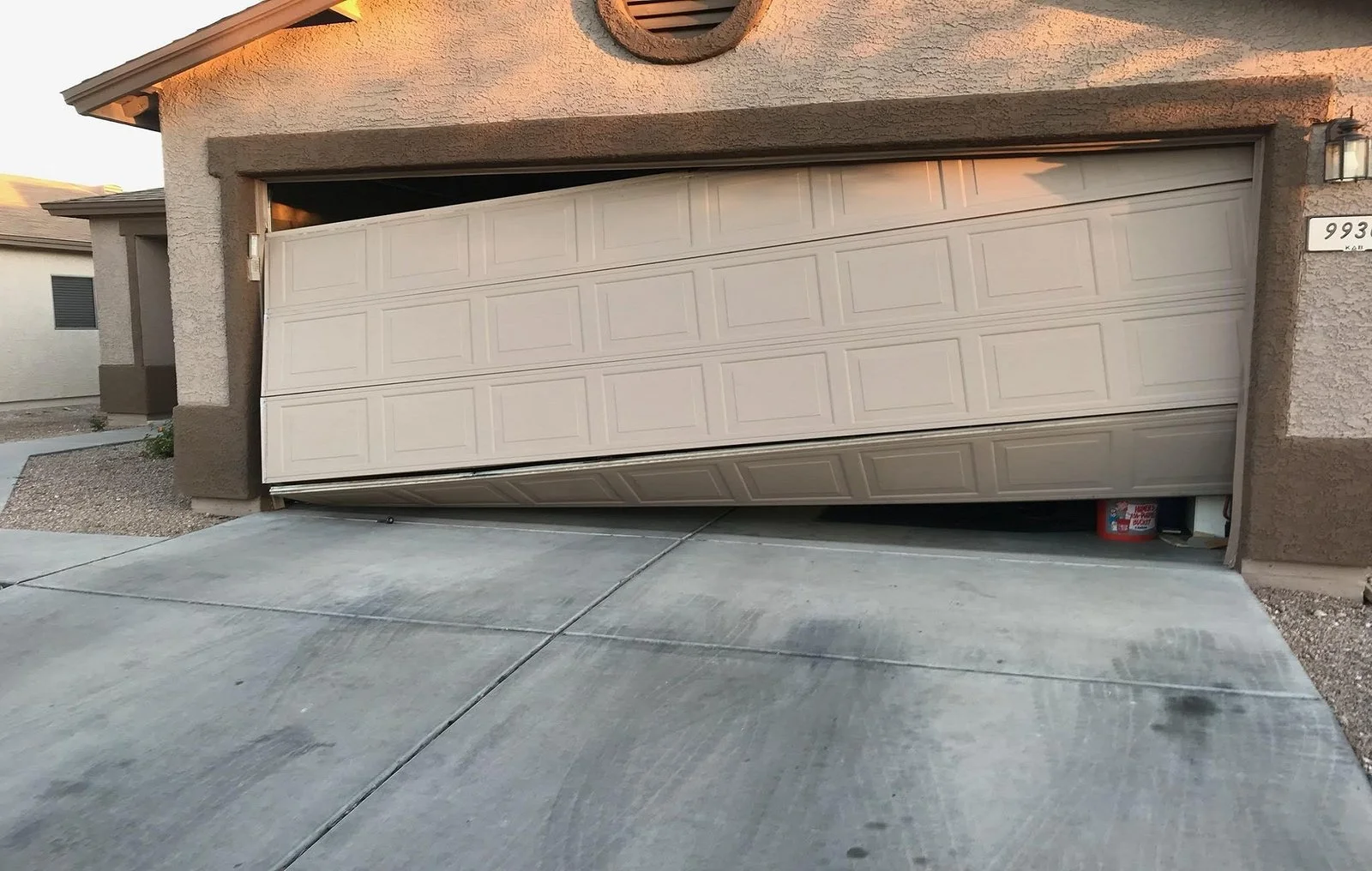
Track, roller, cable, hinge, and alignment issues can also stop a garage door from closing. If the door is crooked, scraping, jerking, hanging unevenly, or hitting the track, do not force it with the opener. A mechanical problem can strain the opener, bend tracks, loosen cables, or make the door unsafe.
Homeowners can safely check for blocked sensors, remote batteries, keypad batteries, opener power, wall-button response, door locks, visible obstructions, flashing opener lights, and whether the door is crooked. They should not adjust springs, rewind cables, loosen drums, force an off-track door, or raise opener force settings to overpower a mechanical problem.
Why a Garage Door That Will Not Close Matters in Long Beach
Garage door will not close Long Beach searches usually come from people dealing with a security, access, or safety problem. A garage door that stays open can expose vehicles, tools, inventory, bikes, packages, storage, business equipment, tenant areas, or a home’s interior access point.
In Long Beach, garage doors are often used as daily entry points for homes, rentals, apartment buildings, condos, small businesses, storefronts, warehouses, and multi-unit properties. When the door will not close, the problem may affect overnight security, parking access, deliveries, tenant access, pets, children, and business operations.
The important question is whether the door is refusing to close because the opener is sensing an obstruction, because the safety sensors are misaligned, or because the door system itself is binding. A garage door opener should not be forced to close a crooked, off-track, damaged, or misaligned door.
A local company such as Garage Door Repair Long Beach By On The Spot can be worth comparing when a door will not close, reverses, gets stuck, has sensor issues, has track alignment problems, or creates a security concern in Long Beach.
Common Reasons a Garage Door Will Not Close in Long Beach
A garage door that refuses to close may be reacting to a safety signal, a control problem, a mechanical obstruction, or an alignment issue. The goal is to separate simple checks from problems that require trained repair.
Blocked or Misaligned Safety Sensors
Safety sensors near the bottom of the tracks must face each other clearly. If the beam is blocked, the lenses are dirty, the brackets are bumped, or the sensor lights are not steady, the opener may reverse before the door closes.
Opener Travel Limit Problem
Travel limits tell the opener where the fully open and fully closed positions are. If limits are off, the door may stop short, reverse, or act as if it hit an obstruction even when the pathway looks clear.
Track Obstruction or Bent Track
Debris, bent track, loose track brackets, rubbing rollers, or track misalignment can cause the door to bind while closing. The opener may reverse because the door is meeting too much resistance.
Roller, Hinge, or Panel Damage
Worn rollers, broken hinges, bent panels, cracked brackets, or damaged sections can stop the door from traveling smoothly. If the door jerks or scrapes, the issue may be mechanical, not electronic.
Cable or Door Balance Problem
A loose cable, cable off drum, spring imbalance, or crooked door can make the door unstable. A door that is out of balance may not close evenly and should not be forced.
Remote, Keypad, Wall Button, or Lock Issue
Sometimes the door will not close because of remote batteries, keypad problems, opener power, vacation lock mode, wall-button issues, manual locks, or opener-control settings.
Sensor Problems That Stop a Garage Door From Closing
Safety sensors are one of the most common reasons a garage door closes partway and reverses. They are designed to stop the door when something interrupts the path, but they can also prevent closing when the sensors are dirty, bumped, misaligned, loose, or affected by vibration.
Blocked Sensor Beam
Boxes, trash bins, tools, toys, bikes, leaves, pet items, or stored belongings near the bottom of the track can block the sensor beam. Clear the area from a safe distance and check whether the opener lights stop flashing after another attempt.
Dirty or Sun-Affected Sensor Lenses
Dust, spider webs, coastal moisture, and sunlight glare can affect sensor performance. In Long Beach, garages near coastal air or dusty alleys may need sensor lenses cleaned gently and sensor brackets checked for movement.
Misaligned Sensor Brackets
Sensor brackets can be bumped by trash cans, bikes, storage items, pets, or a vehicle tire. If the sensor lights are blinking or not steady, alignment may be off. Avoid bending brackets aggressively or pulling wires.
Sensor Wiring or Opener Logic Issue
If the sensors look aligned but the door still reverses, there may be loose wiring, damaged sensor wire, a failing sensor, or an opener-control issue. This is when a professional diagnosis can prevent unnecessary opener replacement.
Track, Roller, Cable, and Alignment Problems That Prevent Closing
Not every closing issue is a sensor problem. If the garage door is crooked, scraping, jerking, shaking, catching, or sitting unevenly, the issue may involve the tracks, rollers, cables, hinges, panels, or door balance.
Bent Track or Track Obstruction
A bent track can stop the door before it reaches the ground. Even a small bend, loose bracket, or obstruction can make the opener reverse because the door meets resistance while closing.
Rollers Out of Track
A roller that comes out of the track can make the door crooked or unstable. If rollers are out of track, stop using the door. Forcing the opener can bend the track, damage panels, or worsen the alignment problem.
Loose Cable or Cable Off Drum
If a lift cable is loose, frayed, hanging, or off the drum, the door may not close evenly. Cable issues work together with spring tension and bottom brackets, so they should not be handled as a DIY repair.
Damaged Panels or Hinges
A bent panel, cracked hinge, or damaged section can create binding. The opener may reverse because the door is not moving squarely through the tracks. This can happen after impact, wear, corrosion, or repeated strain.
Opener Travel Limits, Force Settings, Remotes, and Wall Controls
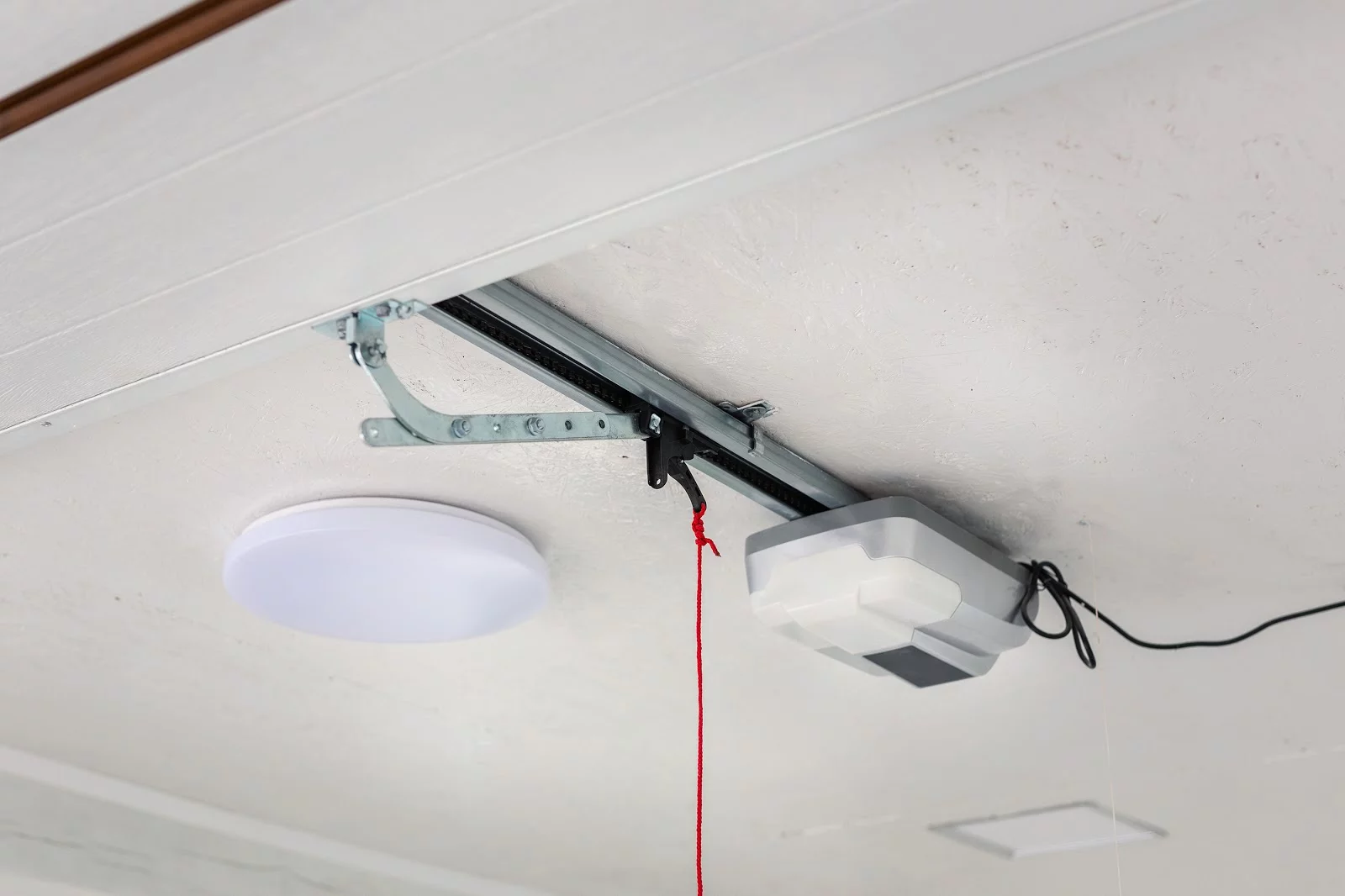
Garage door opener issues can also make a door refuse to close. The opener motor, gear and sprocket, trolley, rail, belt, chain, wall button, remote, keypad, safety sensors, travel limits, force settings, and emergency release can all affect closing behavior.
Travel Limits
Travel limits tell the opener when the door is fully open or fully closed. If the close limit is wrong, the door may stop short, reverse, or press into the floor and reopen. Limit adjustments should be made carefully because they can hide mechanical problems if the door is binding.
Force Settings
Force settings control how much resistance the opener tolerates. Increasing force to make a stuck door close is not a safe fix. If the door is binding because of a track, roller, cable, spring, or panel issue, the mechanical problem should be corrected.
Remote, Keypad, and Wall Button
A remote, keypad, or wall button can create confusion when the door does not respond consistently. Check batteries, lock mode, and opener power first. If the wall button works but the remote does not, the issue may be remote-related. If nothing works, the opener may need further review.
Emergency Release Cord
If the emergency release was pulled, the opener may run without moving the door normally. Reconnecting the trolley may solve the issue only if the door is balanced, stable, and free of mechanical damage. Do not reconnect and force the opener if the door is crooked or heavy.
Safe Checks Before Calling for a Garage Door That Will Not Close
Homeowners, renters, landlords, property managers, and small business owners can gather useful information before calling. Keep the checks visual and low-risk. The goal is to describe the problem clearly, not repair springs, cables, drums, tracks, or opener internals.
- Check whether boxes, trash bins, bikes, tools, or stored items are blocking the sensors.
- Look at the sensor lights to see whether they are steady, blinking, or off.
- Clean visible dust or spider webs from sensor lenses gently.
- Check whether the opener light flashes after the door reverses.
- Check remote and keypad batteries.
- Try the wall button without repeatedly forcing the door.
- Confirm whether the opener is plugged in.
- Check whether a manual lock or vacation lock mode is engaged.
- Look for bent tracks from a safe distance.
- Check whether rollers are still inside the track.
- Look for loose, hanging, frayed, or snapped cables from a safe distance.
- Check whether the door is crooked, tilted, or closing unevenly.
- Take photos of the sensors, tracks, cables, rollers, and door position.
- Listen for grinding, scraping, popping, or unusual opener strain.
What Not to Touch
- Do not adjust or replace torsion springs or extension springs.
- Do not remove bottom brackets.
- Do not pull, rewind, or reset garage door cables.
- Do not loosen cable drums.
- Do not force a crooked garage door closed.
- Do not force an off-track garage door.
- Do not keep pressing the opener if the door reverses repeatedly.
- Do not stand under a damaged or unstable garage door.
- Do not increase opener force settings to overpower a mechanical problem.
- Do not disassemble opener motors without proper knowledge.
- Do not climb unstable ladders to reach opener components.
- Do not ignore loud grinding, snapping, cable slack, or a door that drops unevenly.
Garage Door Will Not Close Long Beach: Problem Comparison Table
The table below helps compare common reasons a garage door will not close. It is not a replacement for an on-site diagnosis, but it can help you describe the issue clearly before scheduling service.
| Problem or Symptom | Common Signs | Likely Cause | Repair Option | DIY Risk | When to Call a Pro |
|---|---|---|---|---|---|
| Door starts closing then reverses | Door moves down, stops, then opens again. | Blocked sensors, misaligned sensors, track resistance, opener force issue, or door binding. | Sensor alignment, track inspection, roller inspection, opener setting review. | Low for clearing sensor blockage; higher if mechanical resistance is present. | Call if it reverses repeatedly after simple sensor checks. |
| Opener light flashes | Light blinks and door will not close with remote. | Safety sensor obstruction, misalignment, wiring issue, or sensor failure. | Sensor cleaning, alignment check, wiring inspection, sensor replacement if needed. | Low for visual checks; avoid pulling wires or bypassing sensors. | Call if sensor lights are off, blinking, or inconsistent. |
| Door closes unevenly | One side is lower, door rubs, or it binds near the track. | Loose cable, cable off drum, roller issue, bent track, hinge damage, or door imbalance. | Cable inspection, roller repair, track alignment, balance review. | High if cables or spring tension are involved. | Call before operating the door again. |
| Door stops before reaching the floor | Door stops short or reverses near the bottom. | Close-limit setting, floor obstruction, sensor issue, track resistance, or bottom seal interference. | Limit review, obstruction check, sensor check, track and bottom seal inspection. | Moderate; force settings should not be used to overpower resistance. | Call if the door will not seal or keeps reversing. |
| Door will not respond to remote | Remote does nothing, keypad fails, wall button may still work. | Remote battery, keypad battery, lock mode, opener receiver issue, or programming problem. | Remote/keypad check, opener control review, wall button testing. | Low for batteries and simple settings. | Call if controls are inconsistent or opener still fails. |
| Grinding or scraping while closing | Loud friction noise, jerky movement, or track rubbing. | Worn rollers, bent track, loose hinge, damaged panel, opener strain, or alignment issue. | Roller repair, hinge repair, track adjustment, panel review, opener inspection. | Moderate to high depending on door stability. | Call before the door becomes stuck or comes off track. |
| Door closes then opens again | Door reaches the floor and reverses back up. | Travel limit issue, force setting issue, floor contact setting, sensor signal, or opener logic issue. | Opener limit review, opener adjustment, sensor diagnosis, door balance test. | Moderate; wrong adjustments can create unsafe operation. | Call if the door cannot stay closed reliably. |
| Door is stuck open and will not close | Garage remains open, property cannot be secured. | Sensor failure, opener issue, track problem, cable issue, off-track condition, or damaged hardware. | Same-day service may be appropriate depending on security and access needs. | Varies; high if the door is crooked or cables are loose. | Call if the home, rental, storefront, or business cannot be secured. |
Repair, Tune-Up, Upgrade, or Replacement When a Garage Door Will Not Close?
A garage door that will not close does not automatically mean the whole door needs replacement. Many closing problems can be repaired when the door structure is still sound and the issue is isolated to sensors, opener limits, tracks, rollers, cables, hinges, hardware, or weather seals.
When a Tune-Up May Be Enough
A tune-up may be appropriate when the door still operates, the issue is minor, rollers or hinges need lubrication, hardware needs tightening, sensors need alignment, the weather seal needs inspection, or the door needs preventative maintenance.
When Minor Repair May Make Sense
Minor repair may make sense when a sensor is misaligned, a remote or keypad needs help, a track needs minor adjustment, a hinge is loose, a roller is worn, an opener setting needs review, or a weather seal is interfering with the close path.
When Major Repair May Be Needed
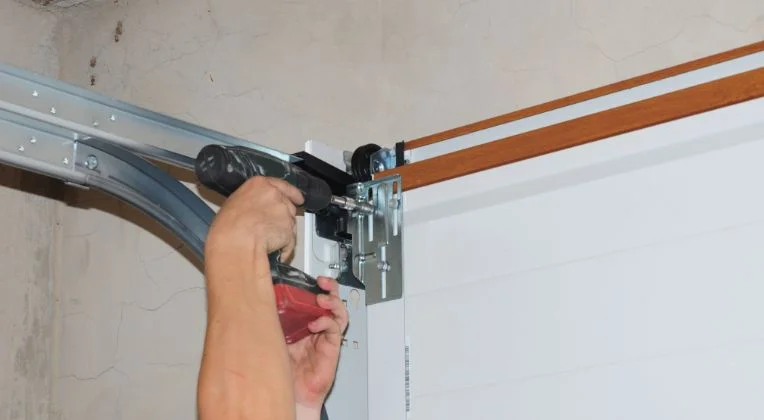
Major repair may be needed when a cable snapped, a cable came off the drum, the door came off track, the track is bent, multiple rollers are damaged, the opener gear failed, the door is crooked, or a damaged panel prevents the door from closing safely.
When Replacement May Be More Practical
Replacement may be more practical when the door is heavily damaged, multiple panels are bent, parts are unavailable, the door has repeated failures, the repair cost approaches replacement, the door is unsafe, or the existing door no longer fits the property’s needs.
A fair recommendation should explain why the door will not close, whether the sensors or opener are the real cause, whether the door is binding mechanically, whether cables and tracks are safe, and whether repair or replacement is the more practical option.
Same-Day Versus Emergency Garage Door Repair in Long Beach
A garage door that will not close can be routine, same-day, or emergency depending on the situation. If the door cannot secure a home, rental, apartment garage, storefront, warehouse, or small business, the issue may need faster attention than a minor noise or maintenance concern.
Emergency-level concerns may include a door stuck open overnight, a storefront that cannot secure inventory, a rental property garage left open, loose cables, an off-track door, a door hanging crooked, or an opener repeatedly forcing a door that is binding.
Call (424) 310-0074 to ask about current scheduling information for same-day garage door repair, emergency garage door repair, garage door sensor repair, opener repair, track repair, cable repair, and stuck-open garage door service in Long Beach.
Long Beach Local Conditions That Can Affect Garage Door Closing Problems
Long Beach garage doors may be affected by coastal air, salt exposure, moisture near beach communities, daily use, rental turnover, older homes, detached garages, alley garages, tight parking, multi-unit access, security concerns, and doors used as main entrances.
In Belmont Shore, Naples, Alamitos Beach, Bluff Heights, Belmont Heights, and nearby coastal areas, sensor brackets, tracks, hinges, rollers, weather seals, bottom seals, and exposed metal hardware may experience wear from moisture and coastal conditions. In Downtown Long Beach, West Long Beach, Wrigley, Cambodia Town, and North Long Beach, garage door closing issues may affect tenant access, business access, security, and limited driveway space.
In Bixby Knolls, California Heights, Los Altos, El Dorado Park, Park Estates, and East Long Beach, homeowners and property managers may deal with older sectional doors, newer openers connected to older door systems, detached garages, rental properties, and recurring door alignment problems.
Nearby communities such as Signal Hill, Lakewood, Seal Beach, Los Alamitos, Rossmoor, Cerritos, Bellflower, Paramount, Carson, San Pedro, Wilmington, Hawaiian Gardens, and Cypress may have similar garage door repair needs. The company serves customers in these communities from its Long Beach location; that does not mean it has a physical office in every service area.
Questions to Ask Before Hiring a Garage Door Repair Company
When a garage door will not close, ask questions that separate a real diagnosis from a quick parts recommendation. A good repair explanation should connect the symptom to the actual failed component.
- What exactly is preventing the garage door from closing?
- Are the safety sensors blocked, misaligned, dirty, loose, or failing?
- Is the opener reversing because of sensor trouble or mechanical resistance?
- Are the tracks bent, loose, obstructed, or misaligned?
- Are the rollers worn, damaged, or out of the track?
- Are the cables frayed, snapped, loose, or off the drum?
- Is the garage door balanced and closing evenly?
- Are the opener travel limits or force settings incorrect?
- Is the opener damaged or just reacting to a door-system problem?
- Do I need sensor repair, opener repair, track repair, cable repair, tune-up, or replacement?
- What parts and labor are included in the quote?
- Is this routine, same-day, or emergency pricing?
- Will the door be tested after repair?
- Will the opener be tested after the door alignment is corrected?
- Can you explain the safety issue before work begins?
- Can I receive a written estimate before approving the work?
Red Flags When a Garage Door Will Not Close
A garage door stuck open can make homeowners feel pressured because the property may not be secure. Even when the issue is urgent, the repair recommendation should still be clear, specific, and connected to the actual problem.
- No clear diagnosis before recommending parts.
- Quote changes without explanation.
- No written estimate before work begins.
- Saying the opener must be replaced before checking sensors, tracks, and door balance.
- Saying everything must be replaced without showing why.
- No inspection of sensors, cables, rollers, tracks, opener strain, or door alignment.
- Telling the homeowner to keep forcing the opener.
- Ignoring loose cables, bent tracks, worn rollers, or a crooked door.
- No final safety test or door balance test.
- No explanation of parts and labor.
- Unsafe DIY advice involving springs, cables, drums, brackets, or opener force settings.
- Pressure to approve work because the garage is stuck open.
- Unsupported claims such as guaranteed lowest price, exact response time, or “best” without proof.
Why Consider Garage Door Repair Long Beach By On The Spot?
Garage Door Repair Long Beach By On The Spot is a local Long Beach garage door repair company serving homeowners, landlords, renters, property managers, real estate investors, HOA communities, apartment buildings, small businesses, warehouses, storefronts, and local commercial properties.
The company is worth considering when a garage door will not close because the issue may involve several connected parts: safety sensors, opener motors, travel limits, force settings, remotes, keypads, wall buttons, cables, cable drums, bottom brackets, rollers, tracks, hinges, panels, weather seals, bottom seals, door balance, and opener strain.
Garage Door Repair Long Beach By On The Spot can help with garage door repair, same-day garage door repair, emergency garage door repair, garage door sensor repair, garage door opener repair, opener replacement, garage door cable repair, cable replacement, off-track garage door repair, roller replacement, tune-ups, panel repair, track repair, garage door installation, garage door replacement, residential garage door repair, and garage door maintenance.
To discuss a garage door that will not close, call (424) 310-0074, visit Garage Door Repair Long Beach By On The Spot, or view Garage Door Repair Long Beach By On The Spot on Google Maps.
Areas Served From the Long Beach Location
Garage Door Repair Long Beach By On The Spot serves customers in Long Beach and nearby communities from its Long Beach location. Service availability may vary by schedule, property type, door type, access issue, and repair scope.
Google Map Location
View the Long Beach garage door repair location on Google Maps:
FAQs About a Garage Door That Will Not Close in Long Beach
Why will my garage door not close in Long Beach?
A garage door may not close because of blocked sensors, misaligned sensors, opener travel-limit problems, track obstruction, bent tracks, worn rollers, loose cables, damaged panels, or door alignment issues.
Why does my garage door close and then open again?
The opener may be detecting an obstruction, the sensors may be misaligned, the travel limit may be wrong, or the door may be binding because of track, roller, cable, or alignment problems.
How do I know if my garage door sensors are bad?
Sensor trouble may show as blinking sensor lights, an opener light flashing, a door that reverses, or a door that closes only when the wall button is held down. Dirty lenses, blocked beams, loose brackets, and damaged wiring can all cause sensor problems.
Can I bypass garage door sensors to close the door?
Bypassing safety sensors is not recommended. Sensors are part of the safety system. A better approach is to check for blockage, alignment, dirty lenses, and visible damage, then request repair if the problem continues.
Should I increase opener force settings if the door will not close?
No. Increasing force settings can hide a mechanical problem. If the door is binding because of tracks, rollers, cables, panels, or alignment, the mechanical issue should be diagnosed and repaired.
Is a garage door that will not close an emergency?
It can be an emergency if the garage is stuck open, the property cannot be secured, inventory or vehicles are exposed, tenants are affected, or the door is crooked, off track, or unsafe.
Should I repair or replace a garage door that will not close?
Repair may make sense for isolated sensor, opener, roller, cable, track, hinge, or weather-seal issues. Replacement may be more practical when the door is heavily damaged, unsafe, repeatedly failing, or no longer fits the property’s needs.
Can Garage Door Repair Long Beach By On The Spot help when a garage door will not close?
Yes. Garage Door Repair Long Beach By On The Spot helps Long Beach customers with sensor problems, opener repair, track alignment, cable repair, off-track doors, stuck-open doors, and same-day repair questions.
Call for Garage Door Repair in Long Beach
Call Garage Door Repair Long Beach By On The Spot at (424) 310-0074 to discuss a garage door that will not close, sensor repair, opener repair, cable repair, track repair, alignment problems, off-track repair, emergency service, or same-day garage door repair in Long Beach and nearby communities.
Before approving work, ask whether the sensors, opener, tracks, rollers, cables, and door alignment were checked, what is causing the door to reverse, and how the door will be tested after the repair.