
A noisy garage door is more than an annoyance. Squeaking, grinding, popping, rattling, scraping, banging, and opener strain can point to worn rollers, dry hinges, loose hardware, bent tracks, cable tension problems, spring balance issues, opener wear, damaged panels, or a door that needs a professional tune-up before the problem becomes more expensive.
Garage Door Repair Long Beach By On The Spot is a local garage door repair company serving Long Beach homeowners, landlords, renters, property managers, HOA communities, apartment buildings, small businesses, storefronts, and local commercial property owners who need help diagnosing noisy garage doors, worn rollers, squeaking hinges, grinding openers, popping springs, track friction, and door balance problems.
A squeaking garage door often points to dry hinges, worn rollers, lack of lubrication, or metal-on-metal movement. Grinding can point to opener gear wear, roller binding, track friction, a door that is dragging, or a garage door opener straining against an unbalanced door.
Popping, banging, snapping, or loud cracking sounds can be more serious. They may involve spring tension, a shifting panel, loose hardware, a cable issue, hinge stress, track movement, or a door balance problem. A loud bang from the garage can also be associated with a broken spring.
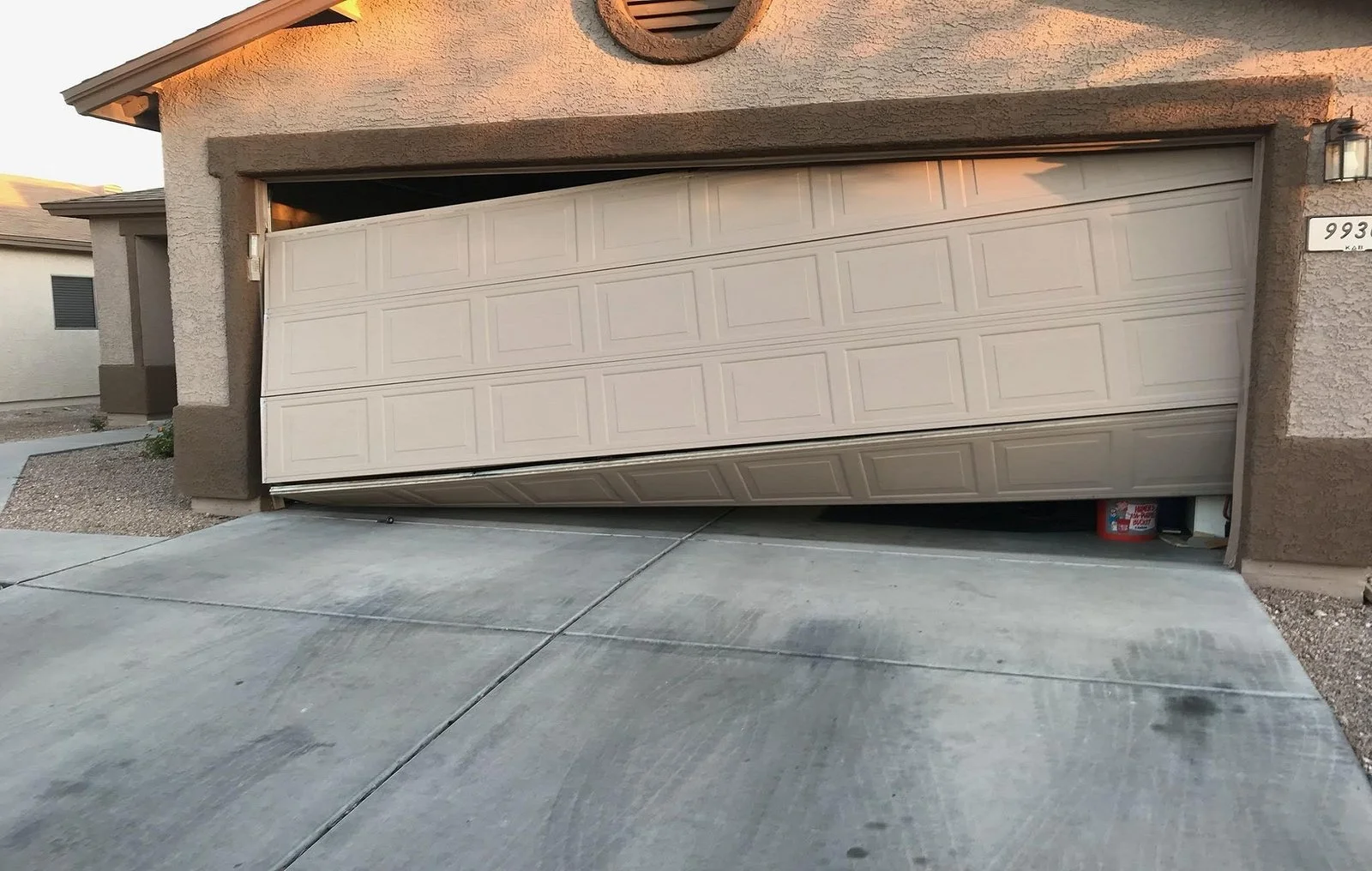
Stop using the door if the noise comes with crooked movement, a heavy door, loose cables, rollers outside the track, a visible spring gap, grinding opener strain, scraping tracks, or a door that opens only a few inches. These signs may mean the door needs repair instead of a simple tune-up.
Homeowners can safely observe the sound, check batteries, look for loose hardware from a distance, check sensor obstruction, and take photos or videos. They should not adjust springs, pull cables, loosen cable drums, force a crooked door, keep pressing the opener when the door will not move, or disassemble opener motors without proper knowledge.
A garage door is one of the largest moving systems on a home or small commercial property. When it starts making new noises, the sound usually comes from friction, strain, loose hardware, worn moving parts, spring tension, cable movement, opener components, or door balance problems. The key is to listen to the type of sound and pay attention to what the door is doing at the same time.
In Long Beach, noisy garage doors can affect homeowners, renters, landlords, property managers, HOA communities, apartment buildings, storefronts, warehouses, and multi-unit properties. A noisy door can wake residents, disturb tenants, create friction with neighbors, signal a security issue, or warn that a small maintenance problem is turning into a repair problem.
Not every noise means the garage door is unsafe. Some sounds may be solved with maintenance, lubrication, roller replacement, hinge service, hardware tightening, opener adjustment, or a garage door tune-up. Other sounds may signal broken springs, snapped cables, off-track movement, bent tracks, damaged panels, or opener strain. That is why the sound should be matched to the door’s behavior.
Squeaking often points to dry hinges, worn rollers, friction, or hardware that needs maintenance.
Grinding can point to opener gear wear, roller binding, track friction, or a door that is too heavy.
Popping may come from spring tension, shifting panels, hinges under stress, or track movement.
Rattling may point to loose hinges, brackets, bolts, opener rail movement, or shaking hardware.
Scraping may point to track alignment issues, bent track sections, roller problems, or panel rubbing.
A loud bang can be a warning sign of spring failure or sudden tension release inside the garage.
Squeaking is one of the most common garage door noise complaints. It often happens when moving metal parts create friction. The most common sources include hinges, rollers, bearing points, track friction, loose brackets, and dry hardware. In some cases, squeaking can be maintenance-related. In other cases, it can be a sign that rollers or hinges are wearing out.
Hinges allow garage door sections to bend as the door moves from vertical to horizontal tracks. When hinges become dry, loose, bent, or worn, the door may squeak, chirp, creak, or pop during movement. A hinge issue can also create uneven panel movement if ignored.
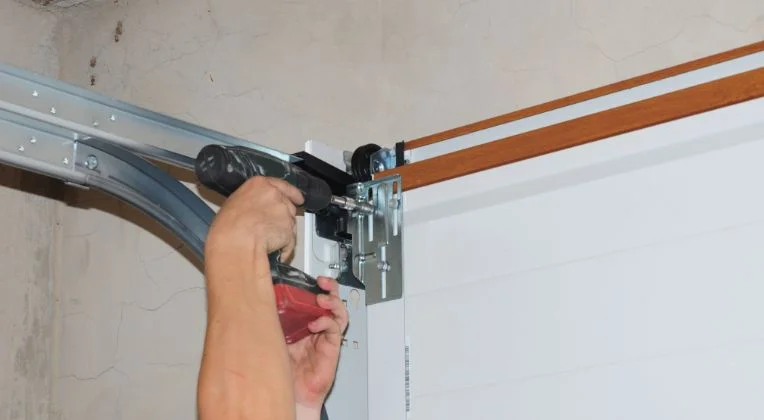
Rollers guide the door through the tracks. Worn rollers can squeak, rattle, wobble, bind, or grind. If rollers are cracked, loose, or dragging, the door may become louder and harder for the opener to move. Roller replacement may be worth considering when the sound is paired with shaking, jerky travel, or visible roller wear.
A squeaking or rubbing sound near the track can mean the rollers are not moving smoothly, the track is slightly misaligned, hardware is loose, or the door is shifting as it moves. Track friction should be inspected before it becomes scraping, binding, or off-track movement.
Grinding is usually more concerning than light squeaking. A grinding sound can come from the opener gear and sprocket, opener rail, trolley, belt or chain, worn rollers, track friction, damaged hinges, bent tracks, or a door that is too heavy because of spring balance problems.
If the opener motor runs but the door barely moves, grinding may point to gear wear, sprocket strain, trolley damage, belt or chain issues, rail movement, or motor strain. However, the opener may be reacting to a heavy or unbalanced door. Door balance should be checked before assuming the opener is the only failed part.
Scraping can mean the roller is rubbing, the track is bent, the door is slightly crooked, a hinge is loose, or a panel is contacting the frame. Scraping should not be ignored because it can lead to roller damage, track wear, cable tension changes, or off-track movement.
If the door sounds like it is grinding and also feels heavy, opens only a few inches, or makes the opener strain, the spring system should be inspected. Broken springs, weak springs, or poor balance can force the opener and rollers to work harder than they should.
Popping, banging, cracking, or snapping sounds should be taken seriously, especially when the sound is new, loud, or paired with a door that suddenly becomes heavy, crooked, stuck, or unstable. These sounds can come from spring tension, cable movement, hinge stress, panel shifting, loose brackets, track movement, or opener strain.
Popping can happen when hinges are under stress, panels shift, rollers bind, or the door is not moving evenly through the tracks. It can also be related to spring tension or door balance. A door that pops and shakes should be checked before the hardware becomes more damaged.
A loud bang from the garage can occur when a spring breaks or when a high-tension part releases suddenly. If the door becomes heavy, stops opening, opens only a few inches, or the spring above the door shows a gap, the door should not be forced.
A snapping sound can involve cables, springs, hinges, brackets, or opener parts. If a cable is loose, frayed, hanging, or off the drum, the door should not be used. Cable problems are connected to spring tension and door weight.
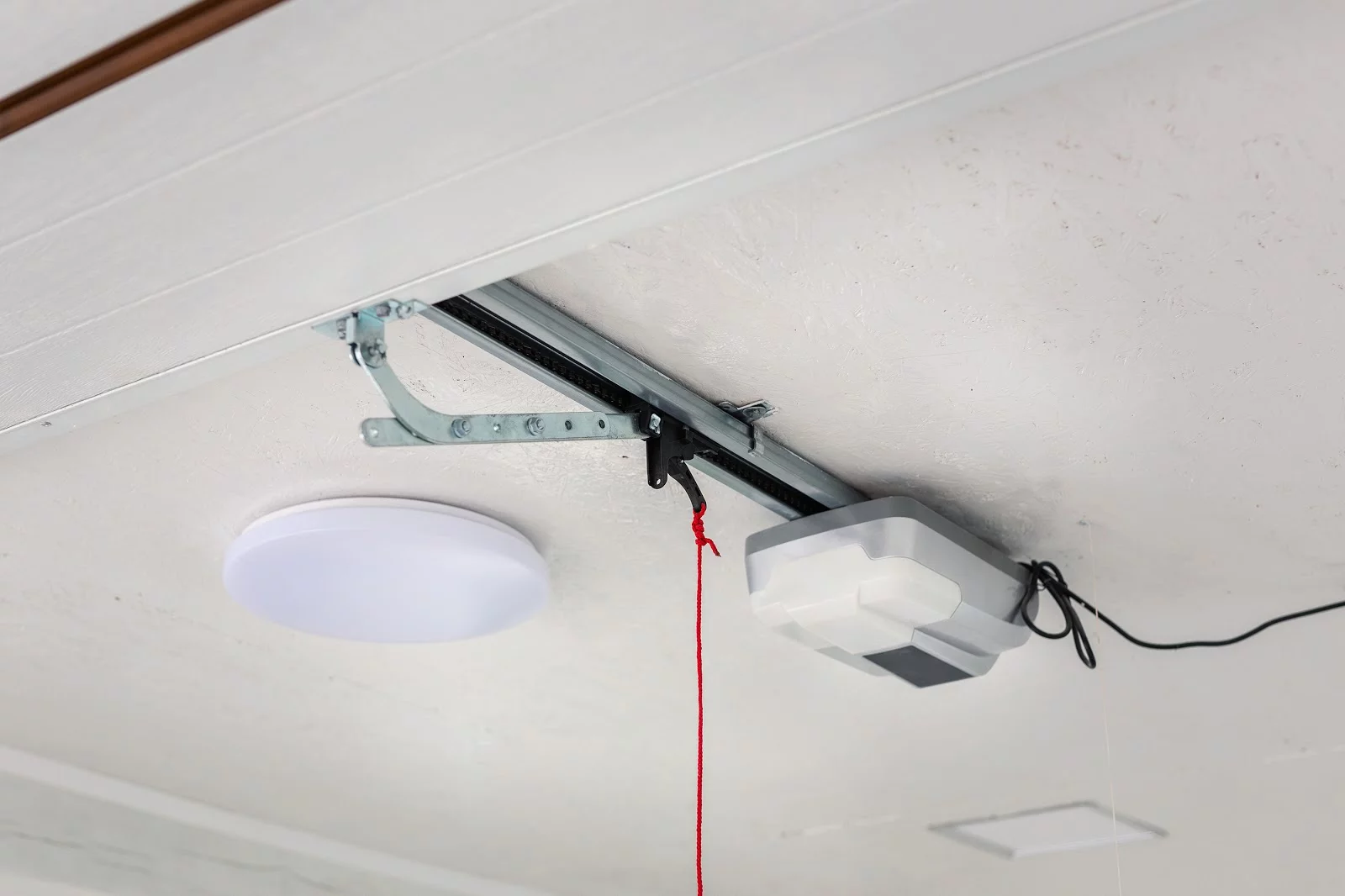
A loud opener may be caused by the opener itself, but it can also be caused by the door. The opener motor, gear and sprocket, trolley, rail, belt drive, chain drive, opener arm, wall button, remote, keypad, travel limits, force settings, and safety sensors all matter. But the opener should only guide a balanced door. It should not fight a heavy, crooked, binding, or off-track door.
Chain drive openers can be louder than some other opener styles, but a sudden increase in noise may mean chain slack, rail vibration, trolley wear, opener strain, or a door that is dragging. Sudden changes matter more than normal operating sound.
Belt drive openers are often chosen for quieter operation, but they can still make noise if the rail shakes, trolley is worn, door balance is poor, or the opener is pulling against a heavy garage door.
A humming opener may point to motor strain, gear problems, power issues, or a door that is too heavy. Clicking may involve opener logic, wall button issues, safety sensors, travel limits, or internal parts. If the door barely moves, the spring and cable system should be checked.
Homeowners can safely observe many garage door noises without taking the system apart. The goal is to document the sound and notice related symptoms, not to touch spring tension, cables, opener wiring, or heavy moving parts.
Use this table to compare common garage door sounds and decide whether the issue may need a tune-up, repair, or faster professional diagnosis.
| Noise or Symptom | Common Signs | Likely Cause | Repair Option | DIY Risk | When to Call a Pro |
|---|---|---|---|---|---|
| Squeaking | High-pitched sound from hinges, rollers, or track area. | Dry hinges, worn rollers, friction, loose hardware, minor maintenance issue. | Tune-up, lubrication, hinge inspection, roller replacement, hardware tightening. | Low to medium when only observing; higher if parts are disassembled. | Call when squeaking is paired with shaking, binding, grinding, or crooked movement. |
| Grinding | Harsh mechanical sound from opener, rollers, tracks, or door movement. | Opener gear wear, roller binding, track friction, heavy door, poor balance. | Opener diagnosis, roller repair, track inspection, spring balance check. | Medium to high if the opener is forced repeatedly. | Call when the opener strains, the door barely moves, or the door feels heavy. |
| Popping | Pops during movement, panel shifting, hinge stress, or track movement. | Hinge stress, spring tension, panel movement, track misalignment, door balance issue. | Hinge repair, track adjustment, spring/balance inspection, panel review. | Medium to high if spring tension or panel damage is involved. | Call when popping is new, loud, repeated, or paired with uneven movement. |
| Rattling | Loose shaking sound from door sections, brackets, opener rail, or hardware. | Loose hinges, loose bolts, worn rollers, rail vibration, bracket movement. | Garage door tune-up, hardware tightening, roller/hinge inspection. | Low to medium if only observing; higher near moving parts. | Call when rattling gets louder, the door shakes, or parts look loose. |
| Scraping | Metal rubbing sound, door rubs frame, rollers scrape track. | Bent track, track misalignment, roller issue, panel rubbing, crooked door. | Track repair, roller replacement, alignment service, panel inspection. | Medium to high because forcing can cause off-track movement. | Call when scraping is paired with crooked movement or visible track damage. |
| Loud bang | Sudden bang from garage, door becomes heavy or stops moving. | Broken spring, sudden tension release, cable issue, hardware failure. | Spring inspection, cable inspection, door balance review, safety inspection. | High because springs and cables may be involved. | Call and stop using the door if the door becomes heavy or opens only a few inches. |
| Clicking opener | Opener clicks but door does not move or moves inconsistently. | Opener logic, wall button issue, sensor issue, motor issue, heavy door. | Opener repair, sensor diagnosis, spring balance check, control troubleshooting. | Medium if electrical or mechanical parts are opened. | Call when clicking repeats and the door will not operate normally. |
A noisy garage door does not automatically need replacement. The right recommendation depends on the sound, the door movement, part condition, door balance, opener strain, track alignment, roller condition, spring condition, cable condition, and panel condition.
A tune-up may be appropriate when the door still operates, noise is minor, rollers or hinges need lubrication, hardware needs tightening, door balance should be checked, sensors need alignment, weather seal needs inspection, and the door needs preventative maintenance. This is common when the sound is light squeaking, mild rattling, or minor vibration without crooked movement.
Minor repair may make sense when a roller is worn, a hinge is loose, a sensor is misaligned, a remote or keypad needs help, a cable needs inspection before failure, a track needs minor adjustment, the opener needs adjustment, a weather seal needs replacement, or the door is mostly in good condition but has a specific noisy part.
Major repair may be needed when a spring is broken, a cable snapped, the door came off track, the opener gear failed, the door is stuck open, the door is stuck closed, the garage door is very heavy, the door is crooked, the track is bent, the panel is damaged, or the opener is strained by a broken spring or poor balance.
Replacement may be more practical when the door is heavily damaged, multiple panels are bent, the opener is old and failing, parts are unavailable, the repair cost approaches replacement, the door is unsafe, the customer wants a quieter opener, the door no longer fits the property’s needs, the door has repeated failures, or the garage door installation is outdated.
Noisy garage door repair pricing should be based on the diagnosis, not a generic fixed number. A squeaking hinge is different from a grinding opener. A worn roller is different from a bent track. A popping sound from hinge stress is different from a loud bang caused by a broken spring.
Simpler noisy garage door issues may involve minor lubrication, loose hardware, early roller wear, hinge noise, sensor adjustment, opener settings, or a tune-up when the door is otherwise balanced, stable, and safe.
More complex noisy garage door issues may involve broken springs, snapped cables, off-track rollers, bent tracks, damaged panels, opener gear failure, heavy doors, door imbalance, or repeated opener strain.
Pricing can depend on door size, door weight, spring type, number of springs, cable condition, opener type, motor condition, roller type, track damage, panel damage, hinge condition, bearing condition, drum condition, labor, parts, availability, door height, high-lift or custom systems, residential or commercial use, access conditions, and safety inspection needs.
A fair noisy garage door repair estimate should explain what sound was found, what part caused the sound, whether the door is balanced, whether the opener is strained, whether the cables and springs are safe, and whether the issue is maintenance, minor repair, major repair, or replacement planning.
Long Beach garage doors operate in coastal Southern California conditions. Coastal air, salt exposure, moisture near beach communities, older homes, detached garages, alley garages, tight parking, rental properties, multi-unit buildings, daily garage door use, and security concerns can all influence noise, wear, rust, friction, opener strain, spring wear, cable wear, roller wear, and track rust.
In Belmont Shore, Naples, Alamitos Beach, Bluff Heights, Belmont Heights, and Seal Beach, coastal air and moisture may contribute to corrosion, squeaking hardware, roller wear, cable wear, hinge noise, and track friction. A noisy garage door near coastal air may need hardware inspection, balance testing, and a tune-up before small friction issues become bigger repair problems.
In Bixby Knolls, California Heights, Rose Park, Wrigley, Los Altos, El Dorado Park, Downtown Long Beach, and older residential neighborhoods, detached garages, older opener systems, older tracks, alley access, and frequent daily use can contribute to rattling, grinding, opener strain, loose hinges, and roller problems.
In Signal Hill, Lakewood, Los Alamitos, Rossmoor, Cerritos, Bellflower, Paramount, Carson, San Pedro, Wilmington, Hawaiian Gardens, and Cypress, noisy garage doors can affect tenants, homeowners, business owners, storefronts, storage access, parking access, and property-manager maintenance schedules.
Before approving noisy garage door repair, ask questions that reveal whether the company is diagnosing the sound or guessing at parts.
A noisy door should be diagnosed carefully. Be careful when a company uses pressure instead of explaining what sound is happening, what part is involved, and whether the repair is actually needed.
Garage Door Repair Long Beach By On The Spot is a strong local option for people comparing noisy garage door repair, garage door tune-ups, roller replacement, hinge repair, track repair, opener repair, spring repair, cable repair, off-track repair, and garage door maintenance in Long Beach, CA.
The company helps homeowners, landlords, renters, property managers, real estate investors, HOA communities, apartment buildings, condo owners, small businesses, storefronts, commercial property operators, and multi-unit property owners diagnose and repair garage door problems.
Services include garage door repair, same-day garage door repair, emergency garage door repair, broken spring repair, garage door spring replacement, torsion spring repair, extension spring repair, garage door opener repair, garage door opener replacement, garage door cable repair, cable replacement, off-track garage door repair, noisy garage door repair, roller replacement, sensor repair, tune-ups, panel repair, track repair, garage door installation, garage door replacement, and residential garage door repair.
Call (424) 310-0074, visit Garage Door Repair Long Beach By On The Spot, or view Garage Door Repair Long Beach By On The Spot on Google Maps.
Garage Door Repair Long Beach By On The Spot serves customers in Long Beach and nearby communities from its Long Beach location. Service availability may vary by schedule, repair type, noisy door issue, door condition, access, parts, and current demand.
Use the map below to view the Long Beach garage door repair location and local listing details.
A squeaking garage door may be caused by dry hinges, worn rollers, loose hardware, track friction, or parts that need a tune-up. If the door shakes, grinds, or moves unevenly, request diagnosis.
Grinding may point to opener gear wear, trolley issues, rail strain, belt or chain problems, or a heavy garage door caused by spring, cable, roller, or balance problems.
Popping can be minor or serious. It may come from hinges, panels, spring tension, track movement, or door imbalance. Stop using the door if popping is loud, new, repeated, or paired with uneven movement.
Homeowners can safely observe the sound, check batteries, look for blocked sensors, and take photos or video. They should not adjust springs, pull cables, loosen drums, force the door, or disassemble opener motors.
Stop using the door if it is heavy, crooked, off track, grinding, scraping, opening only a few inches, showing a spring gap, showing loose cables, or causing the opener to strain.
Yes. Worn, cracked, loose, or binding rollers can cause squeaking, rattling, scraping, shaking, and uneven movement. Roller replacement may be needed if the rollers are damaged.
Cost can depend on whether the noise comes from rollers, hinges, tracks, springs, cables, opener parts, panels, door balance, or a larger repair issue. Ask for a diagnosis-specific estimate.
Call Garage Door Repair Long Beach By On The Spot at (424) 310-0074 to ask about noisy garage door repair, roller replacement, hinge repair, opener repair, track repair, tune-ups, and current repair availability in Long Beach.
A noisy garage door should be diagnosed before the sound becomes a bigger problem. Squeaking, grinding, popping, rattling, scraping, banging, and opener strain can point to rollers, hinges, tracks, cables, springs, panels, opener parts, door balance, or garage door alignment issues.
Call Garage Door Repair Long Beach By On The Spot at (424) 310-0074 to discuss noisy garage door repair, garage door tune-up, roller replacement, hinge repair, track repair, opener repair, spring repair, cable repair, same-day garage door repair, or emergency garage door repair in Long Beach and nearby communities.