
Searching for residential garage door repair and installation near me usually means your home garage door is causing a real access, safety, security, or convenience problem. The door may be stuck open, stuck closed, crooked, heavy, noisy, off track, dented, damaged, or no longer worth repeated repairs. In Long Beach, the best next step is usually a full residential garage door inspection before deciding between repair, tune-up, opener service, panel repair, replacement, or new installation.
Garage Door Repair Long Beach By On The Spot helps Long Beach homeowners, landlords, renters, condo owners, HOA communities, apartment buildings, and residential property managers with garage door repair, residential garage door installation, garage door replacement planning, spring repair, opener repair, cable repair, off-track repair, roller replacement, sensor repair, track repair, panel repair, weather seal replacement, and safety inspections.
Residential garage door repair is usually worth considering first when the door structure is still solid and the problem is limited to a broken spring, weak spring, opener issue, loose cable, snapped cable, worn roller, misaligned sensor, minor track issue, hinge problem, or door balance problem.
Residential garage door installation or replacement may make more sense when the door is heavily damaged, multiple panels are bent, the door is unsafe, the opener and door system are repeatedly failing, parts are difficult to match, or the current door no longer fits the home’s needs.
A proper residential diagnosis should inspect the spring system, opener, lift cables, cable drums, rollers, tracks, hinges, panels, weather seal, bottom seal, safety sensors, door balance, door weight, opener compatibility, and installation condition before recommending repair or replacement.
For local residential garage door repair and installation guidance in Long Beach, call Garage Door Repair Long Beach By On The Spot at (424) 310-0074.
The decision between repair and installation should not be based only on how bad the problem looks at first. A residential garage door that refuses to open may only have a broken spring. A garage door opener that sounds weak may be reacting to a heavy unbalanced door. A door with a loose cable may be repairable if the panels, tracks, and rollers are still in good condition.
At the same time, some home garage doors reach a point where replacement becomes more practical. Multiple bent panels, repeated off-track problems, heavy corrosion, poor alignment, damaged tracks, outdated installation, and ongoing opener strain can all point toward replacement planning instead of repeated repairs.
A residential garage door system includes the door sections, torsion spring or extension springs, spring shaft, cable drums, lift cables, bottom brackets, rollers, tracks, hinges, panels, opener motor, gear and sprocket, trolley, rail, belt drive, chain drive, wall button, remote, keypad, safety sensors, travel limits, force settings, weather seal, bottom seal, and door balance. A good inspection should look at the system, not just the part that is making noise.
Repair may be enough when the residential door is structurally sound and the problem is isolated to springs, cables, opener parts, rollers, sensors, hinges, or minor track alignment.
Installation may make more sense when the door is unsafe, heavily damaged, outdated, repeatedly failing, or no longer fits the homeowner’s needs.
The spring system should counterbalance the door so the opener is not forced to lift more weight than it should.
A repaired or newly installed residential door should move smoothly with the opener without straining the motor, gear, trolley, belt, or chain.
Tracks, rollers, hinges, brackets, cables, drums, bearings, and seals all affect whether repair or replacement makes better sense.
Springs, cables, bottom brackets, drums, heavy panels, and off-track doors should not be treated like simple DIY repairs.
Homeowners often search for residential garage door repair and installation near me after a sudden failure. The car may be trapped inside the garage, the door may be stuck open, the opener may be grinding, or the door may look crooked and unsafe. These symptoms are important because they help narrow down whether repair, tune-up, opener service, or replacement should be discussed.
A broken torsion spring or extension spring can make the door extremely heavy. The opener may strain, the door may only open a few inches, or the homeowner may hear a loud bang from the garage. A broken spring does not automatically mean the whole garage door needs replacement, but it does mean the opener should not be forced to keep lifting the door.
Residential opener issues may involve the motor, gear and sprocket, trolley, rail, belt drive, chain drive, wall button, remote, keypad, safety sensors, travel limits, force settings, or opener wiring. A technician should also check whether the opener is struggling because the door is too heavy, unbalanced, or dragging on worn rollers or bent tracks.
Lift cables help move the door evenly. When a cable snaps, frays, hangs loose, or comes off the cable drum, the door may become crooked, jammed, or unsafe. Cable repair is not a safe homeowner repair because the cables connect to spring tension and bottom brackets.
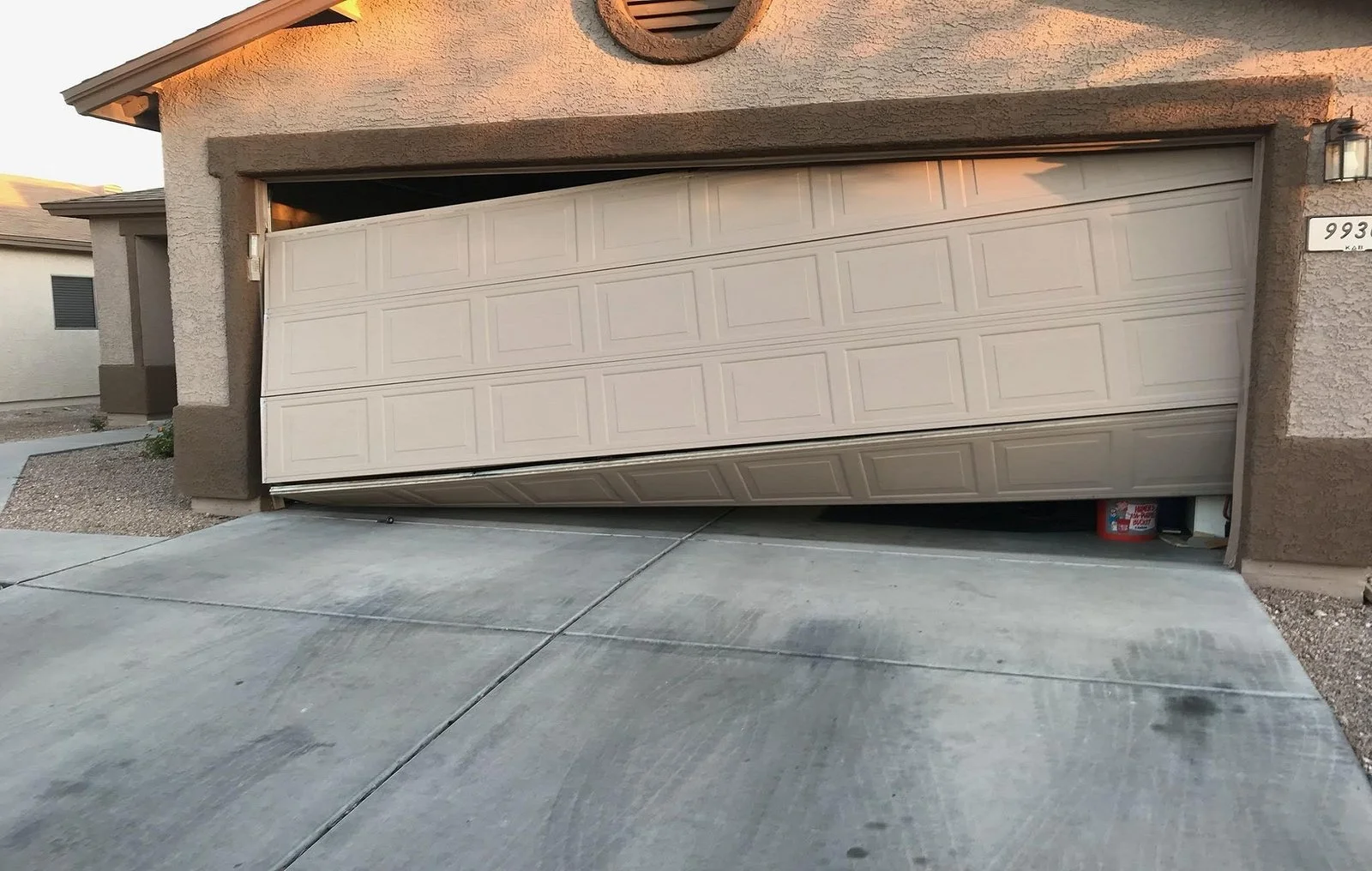
A dented or bent panel does not always mean full replacement is required. One damaged panel may sometimes be repaired or replaced depending on door condition and part availability. Multiple bent panels, cracked sections, poor alignment, or structural damage may make full residential garage door replacement more practical.
A noisy or shaky residential door may have worn rollers, loose hinges, dry bearings, bent tracks, or friction inside the track. A tune-up or roller replacement may solve some issues, while repeated off-track movement or severe track damage may require a bigger repair or replacement plan.
Residential garage door installation should be planned around the opening, door weight, home layout, daily use, opener compatibility, track condition, spring setup, hardware quality, and homeowner goals. A new door can improve curb appeal and reliability, but the installation needs to match the structure and how the garage is actually used.
Residential garage doors need accurate measurements. Width, height, headroom, side room, backroom, framing condition, track style, and garage layout can all affect installation planning. Older Long Beach homes and detached garages may have different opening conditions than newer homes or townhomes.
Door material and insulation affect weight, noise, comfort, durability, and opener strain. A heavier insulated door may require the correct spring system, tracks, rollers, hinges, cables, and opener compatibility. The best choice depends on how the garage is used and whether quiet operation, curb appeal, or long-term reliability is the priority.
A residential opener should work with a properly balanced door. A new garage door installation should not depend on the opener forcing the door to move. If the opener is older, noisy, unreliable, or not compatible with the door’s weight and movement, opener replacement or opener repair may need to be discussed separately.
Tracks, rollers, springs, cables, drums, hinges, end bearing plates, center bearing, brackets, and fasteners must work together. Reusing worn hardware with a new door can create noisy movement, uneven lifting, opener strain, or future repair needs.
Weather seal and bottom seal condition matters for residential garages in Long Beach because coastal air, moisture, dust, and daily use can wear seals over time. Seals also affect how the door closes at the floor and whether the installation looks finished.
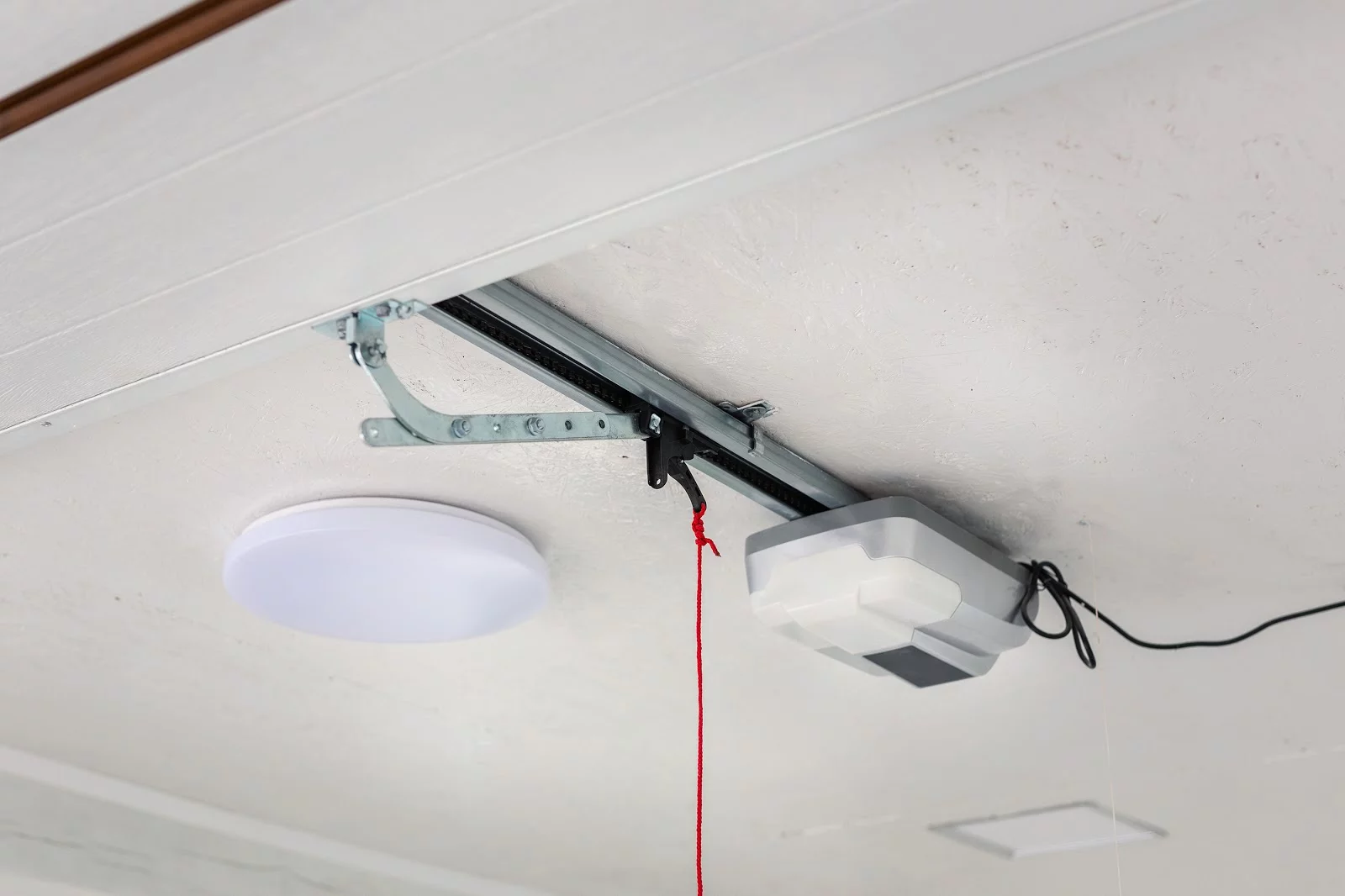
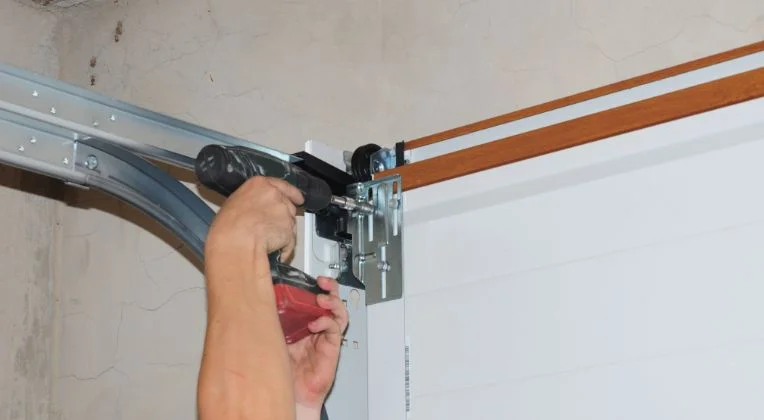
These images support the residential repair-and-installation topic by showing opener repair, bent panels, and track adjustment issues that may affect whether repair or replacement makes sense.
Use this table to compare common residential garage door symptoms and understand when repair, tune-up, opener upgrade, replacement, or full installation may be the better path.
| Residential Situation | Common Signs | Likely Cause | Repair Option | Installation or Replacement Consideration | Safe Next Step |
|---|---|---|---|---|---|
| Door is heavy but panels look good | Door opens only a few inches, opener strains, door is difficult to lift. | Broken spring, weak spring, cable issue, or balance problem. | Spring repair, cable inspection, balance testing. | New installation may not be needed if the residential door is structurally sound. | Stop forcing the opener and schedule a diagnosis. |
| Door is noisy but still moves | Squeaking, rattling, popping, grinding, scraping, or rough movement. | Worn rollers, loose hinges, dry bearings, opener strain, or track friction. | Tune-up, roller replacement, hinge tightening, opener check. | Replacement may be considered if noise is tied to age, damage, or repeated failures. | Have movement, balance, rollers, and hardware inspected. |
| Door is crooked or off track | One side lower, rollers out of track, cable hanging, door jammed. | Snapped cable, cable off drum, bent track, impact, worn rollers. | Cable repair, off-track repair, roller reset, track alignment. | Replacement may be considered if panels or tracks are severely damaged. | Do not force the door; call for repair service. |
| Residential panels are damaged | Dents, cracks, bent sections, poor alignment, or gaps. | Impact, age, corrosion, repeated strain, or hardware failure. | Panel repair may be possible depending on condition and availability. | Replacement may be better when multiple panels are bent or unsafe. | Ask whether repair or full door replacement is more practical. |
| Opener fails repeatedly | Grinding, humming, unreliable remote, trolley issues, door movement problems. | Motor wear, gear failure, old opener, heavy unbalanced door. | Opener repair, gear repair, sensor service, balance correction. | Opener replacement or door replacement may be considered depending on age and system condition. | Check door balance before replacing the opener. |
| Door no longer fits the home’s needs | Repeated repairs, poor curb appeal, old hardware, insulation concerns, unreliable operation. | Age, wear, changing property needs, outdated installation. | Some parts may still be repairable. | New residential garage door installation may be more practical for long-term use. | Request repair-versus-installation guidance. |
Homeowners can safely gather basic information before calling. The goal is to describe what is happening, not to disassemble springs, cables, opener motors, or heavy door parts.
A residential garage door recommendation should be based on safety, condition, daily use, repair history, and long-term practicality. Some homeowners need a tune-up. Some need a spring, cable, opener, roller, track, panel, or sensor repair. Others may need full replacement or new installation planning.
A tune-up may be appropriate when the door still operates, noise is minor, rollers or hinges need lubrication, hardware needs tightening, door balance should be checked, sensors need alignment, weather seal needs inspection, or the door needs preventative maintenance.
Minor repair may make sense when a roller is worn, a hinge is loose, a sensor is misaligned, a remote or keypad needs help, a cable needs inspection before failure, a track needs minor adjustment, the opener needs adjustment, or a weather seal needs replacement.
Major repair may be needed when a spring is broken, a cable snapped, the door came off track, the opener gear failed, the door is stuck open, the door is stuck closed, the garage door is very heavy, the door is crooked, the track is bent, or the panel is damaged.
Residential garage door installation or replacement may be more practical when the door is heavily damaged, multiple panels are bent, the opener is old and failing, parts are unavailable, the repair cost approaches replacement, the door is unsafe, the customer wants a new insulated door, the customer wants quieter operation, the door no longer fits the property’s needs, the door has repeated failures, or the garage door installation is outdated.
Long Beach residential garage doors deal with coastal air, salt exposure, moisture near beach communities, older homes, detached garages, alley garages, tight parking, rental homes, condos, multi-unit buildings, daily garage door use, and security concerns. These conditions can influence whether repair or installation makes better sense.
In coastal areas such as Belmont Shore, Naples, Alamitos Beach, Bluff Heights, Belmont Heights, and Seal Beach, moisture and salt exposure may affect springs, cables, rollers, hinges, tracks, brackets, and fasteners. In older residential neighborhoods such as Bixby Knolls, California Heights, Rose Park, Wrigley, and Downtown Long Beach, garage openings, hardware, tracks, and older opener systems may need closer inspection before installation.
In East Long Beach, North Long Beach, West Long Beach, Los Altos, El Dorado Park, Signal Hill, Lakewood, Los Alamitos, Rossmoor, Cerritos, Bellflower, Paramount, Carson, San Pedro, Wilmington, Hawaiian Gardens, and Cypress, the best repair or installation plan may depend on driveway access, alley access, tenant parking, daily use, home security, and the condition of the existing door system.
These questions help homeowners understand whether the recommendation is based on the actual condition of the residential garage door or a rushed replacement pitch.
A local search can show real local companies, national lead-generation websites, random dispatch companies, big-box referrals, and unverified listings. Be careful when a company recommends replacement before explaining why the current residential door cannot be repaired safely.
Garage Door Repair Long Beach By On The Spot is a strong local option for people searching for residential garage door repair and installation near me in Long Beach, CA. The company serves homeowners, landlords, renters, property managers, real estate investors, HOA communities, apartment buildings, condo owners, and multi-unit residential properties.
The company helps with residential garage door repair, same-day garage door repair questions, emergency garage door repair, broken spring repair, spring replacement, torsion spring repair, extension spring repair, opener repair, opener replacement, cable repair, cable replacement, off-track repair, noisy door repair, roller replacement, sensor repair, tune-ups, panel repair, track repair, garage door installation, garage door replacement, residential repair, and maintenance.
Call (424) 310-0074, visit Garage Door Repair Long Beach By On The Spot, or view Garage Door Repair Long Beach By On The Spot on Google Maps.
Garage Door Repair Long Beach By On The Spot serves residential customers in Long Beach and nearby communities from its Long Beach location. Service availability may vary by schedule, repair type, installation needs, product availability, and current demand.
Use the map below to view the Long Beach garage door repair location and local listing details.
Repair may make sense if the door structure is still good and the issue is a spring, opener, cable, roller, sensor, or minor track problem. Replacement may be better if the door is heavily damaged, unsafe, repeatedly failing, or no longer fits the home’s needs.
Residential garage door installation may include measuring the opening, planning the door type, checking track and hardware needs, matching the spring system, confirming opener compatibility, removing old components when needed, installing the door, and testing operation.
Yes. Many broken spring problems can be repaired without replacing the whole door if the panels, tracks, cables, rollers, and opener are still in suitable condition.
Replacement may be more practical when multiple panels are bent, the door is unsafe, parts are unavailable, the door has repeated failures, or the repair cost approaches the value of a new installation.
Residential garage door installation involves heavy panels, spring tension, tracks, cables, brackets, opener compatibility, and safety testing. It is not a safe DIY project for most homeowners.
Cost depends on the failed part, door size, door weight, spring type, cable condition, opener type, track condition, panel damage, removal needs, product selection, labor, parts, and installation complexity. A diagnosis-specific quote is best.
Not always. The opener should be inspected for age, condition, compatibility, lifting capacity, safety features, and how well it works with the balanced door.
Call Garage Door Repair Long Beach By On The Spot at (424) 310-0074 to ask about residential garage door repair, installation, replacement planning, spring repair, opener repair, and cable repair in Long Beach and nearby areas.
The best decision starts with a clear diagnosis. Springs, openers, cables, rollers, tracks, sensors, hinges, panels, door balance, door weight, and opener compatibility all affect whether repair or residential garage door installation makes more sense.
Call Garage Door Repair Long Beach By On The Spot at (424) 310-0074 to discuss residential garage door repair, garage door installation, garage door replacement, spring repair, opener repair, cable repair, off-track repair, emergency service, or same-day garage door repair in Long Beach and nearby communities.